





Rainbow Greenclock Beetle
Poecilus versicolor
The Rainbow Greenclock Beetle is a colorful insect that loves to hide in the grass and leaves. Its shiny body can sparkle in the sunlight, making it look like a tiny jewel in nature!
Habitat: Grasslands
The Rainbow Greenclock Beetle has an iridescent emerald-green body with metallic blue and purple reflections that shift in the light. Its wing cases are finely grooved, and its head features prominent, clock-like compound eyes, making it visually striking.
Category
InsectsRarity
Common
Danger
1/5 · Very low
Snaps
Be the first to snap!
It's a super hunter, using speed and surprise to catch its meals!
Its incredible jaws are like tiny, powerful pincers for grasping prey!
Some types of these beetles can even 'play dead' to escape danger!
This beetle's vivid colors are not paint, but tiny structures bending light!
Rainbow Greenclock Beetle has a shifting, metallic exoskeleton that helps them blend into varied foliage, making them nearly invisible to predators.
Rainbow Greenclock Beetle can release a foul-smelling chemical spray that helps them deter hungry birds or other attackers.
Rainbow Greenclock Beetle has large compound eyes that help them see and hunt small prey in the dim light of dawn and dusk.
Rainbow Greenclock Beetle can detect tiny ground vibrations with its antennae, helping them pinpoint hidden prey or approaching danger.
This speedy beetle is a mighty hunter, feasting on small insects and garden pests!
Age differences: Larvae are also predatory, often specializing on smaller soil invertebrates.
Deroceras reticulatum
actively preys on slugs in gardens.
Pieris rapae
consumes larvae of this garden pest.
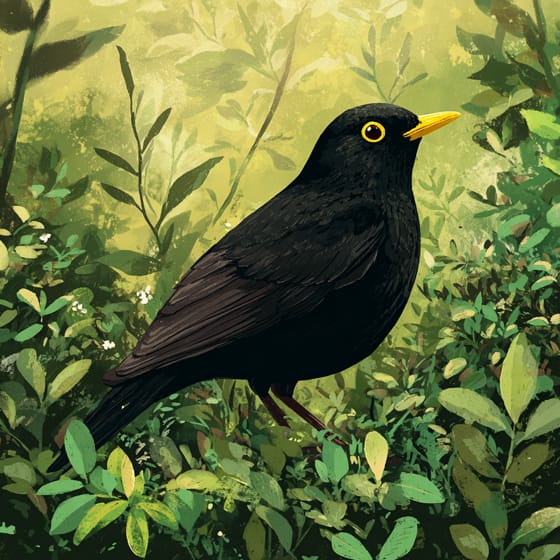
Turdus merula
a common food source for insect-eating birds.
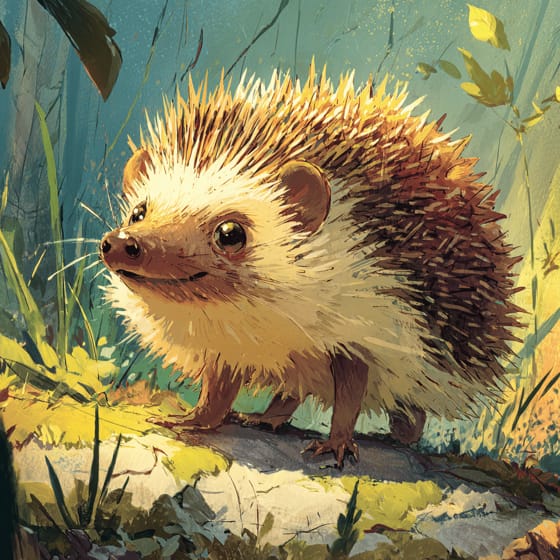
Erinaceus europaeus
a common meal for nocturnal foragers.
Solitary animals live alone for most of their lives, only interacting with others for mating or parental care.
Camouflaged describes organisms that possess coloring or patterns that allow them to blend into their environment.
Colorful describes organisms or objects displaying a wide range of bright and distinct colors.
Grassland habitats are terrestrial biomes dominated by grasses and herbaceous plants, supporting a variety of grazing animals.

This trait identifies organisms whose diet primarily consists of insects and other small invertebrates.

Diurnal animals are primarily active during daylight hours, typically resting or sleeping at night.

Pertaining to species that are significantly smaller than typical or average for their kind.

Describes organisms that transfer pollen, enabling the fertilization and reproduction of plants.
No aliases listed yet.
Danger
1/5 · Very low
Be gentle and watch where you step to protect these tiny beetles in their homes.
The easiest way to identify Rainbow Greenclock Beetle is to use the Snappit nature identifier app.
20-36 mm
10-18 mm
365-730 days
8 km/h
This speedy beetle is a mighty hunter, feasting on small insects and garden pests!
Grasslands
Pursuit
Zoom in to split clusters and explore where this object has been snapped.
Recent snaps will appear here as new observations are added.
Take the discovery with you
Snap it with Snappit to identify it, learn what makes it special, and add the discovery to your collection.







.jpg&width=800)



