
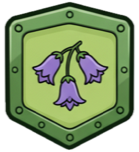




Rampion
Campanula rapunculus
Rampion is a beautiful flower with lovely bell-shaped blooms. It grows in gardens and fields, and its leaves can even be eaten in salads!
Habitat: Gardens and fields
The Rampion has tall, slender stems and narrow, wavy-edged basal leaves. Its delicate, bell-shaped flowers are typically pale blue to violet-purple, arranged in loose clusters. These flowers hang downwards, adding a graceful touch to its appearance.
Category
PlantsRarity
Common
Danger
1/5 · Very low
Snaps
Be the first to snap!
Its delicate blue flowers are edible, adding a splash of color to your salad!
Its scientific name, Rapunculus, means 'little turnip' because of its edible root!
Rampion is a relative of the popular garden campanula, often called bellflowers!
Rampion roots were a popular vegetable in medieval Europe, enjoyed raw or cooked!
Rampion has a thick, turnip-like taproot that stores energy, helping it survive winter and regrow in its second year.
Its nodding, bell-shaped flowers protect delicate pollen from rain, ensuring it stays dry for visiting insect pollinators.
Rampion's leaves and roots are edible, providing a nutritious snack for animals and historically, humans to survive.
Apis mellifera
Visits flowers for nectar and pollen.
Bombus terrestris
An important pollinator, collecting nectar and pollen.
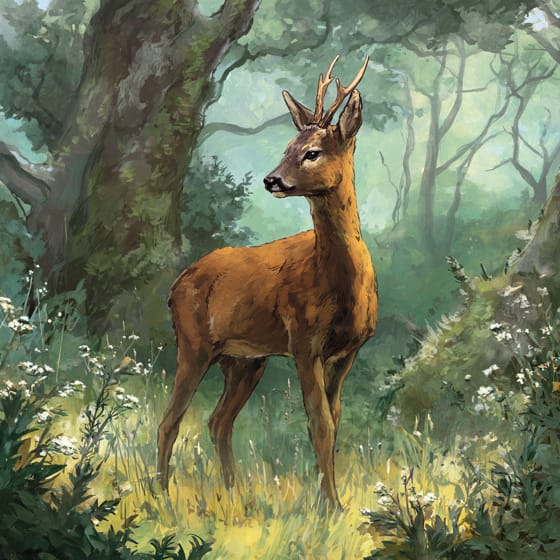
Capreolus capreolus
Deer graze on the plant's leaves and stems.

Helix aspersa
Snails can feed on the foliage and young shoots.
Bell-shaped flowers possess petals fused or arranged to form a cup-like or campanulate structure resembling a bell.
Flowering plants are any plants that produce flowers as part of their reproductive cycle.
Spring blooming plants produce their flowers during the spring season, often signifying the end of winter and the start of new growth.
Edible plants are those parts of a plant that are considered safe for human consumption.

Describes plants that are particularly attractive and beneficial to a wide range of pollinating organisms.
Danger
1/5 · Very low
Always check with an adult before picking flowers or eating plants.
The easiest way to identify Rampion is to use the Snappit nature identifier app.
30-100 cm
15-30 cm
1-2 cm
Summer
Yes
None
Biennial
Zoom in to split clusters and explore where this object has been snapped.
Recent snaps will appear here as new observations are added.
Take the discovery with you
Snap it with Snappit to identify it, learn what makes it special, and add the discovery to your collection.








.jpg&width=800)



_001.jpg&width=800)



