





Rattail
Stachytarpheta cayennensis
Rattail is a fun plant with long, thin flowers that look like little tails! It grows in sunny places and can attract butterflies and bees, making gardens lively and colorful.
Habitat: Urban areas
The Rattail has vibrant purple or blue flowers arranged along slender, whip-like stalks. These long, spikey inflorescences give the plant its unusual name, resembling a rat's tail. Its small, oval leaves have serrated edges.
Category
PlantsRarity
Common
Danger
1/5 · Very low
Snaps
3
Each little Rattail flower only opens for one day, like a tiny daily surprise for pollinators!
Its scientific name, *Stachytarpheta*, means 'thick spike', describing its cool, long flower stalks!
Some people make a special tea from its leaves, traditionally used to soothe a tummy ache!
The Rattail's tiny seeds are so light, they can hitch a ride on the wind to grow in new faraway places!
Rattail can produce flowers almost continuously in warm places, offering a constant feast for buzzing insects and butterflies.
Rattail has strong, adaptable roots that help it grow in many different soil types, allowing it to thrive even in poor soil.
Rattail has leaves that efficiently capture lots of sunlight, giving it energy to grow fast and robustly in open areas.
Apis mellifera
collects nectar from its flowers
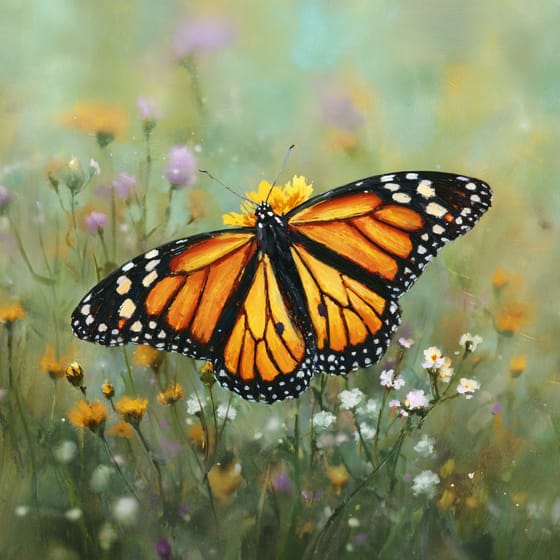
Danaus plexippus
sips nectar to fuel its long migrations
Glomus intraradices
helps plant roots absorb nutrients
Ornamental plants are cultivated primarily for their aesthetic appeal, enhancing landscapes and gardens with their attractive foliage, flowers, or form.
Summer blooming plants produce their flowers during the summer season, often providing vibrant color when many other plants have finished.
Everblooming plants produce flowers continuously or in repeated flushes over a long period.
Fragrant flowers emit a pleasant aroma, often to attract pollinators or for defense.

Describes plants that are particularly attractive and beneficial to a wide range of pollinating organisms.

This habitat trait indicates species that can coexist with humans in urban and suburban environments, utilizing man-made structures and green spaces.
No aliases listed yet.
Danger
1/5 · Very low
Always ask an adult before touching or picking plants.
The easiest way to identify Rattail is to use the Snappit nature identifier app.
50-200 cm
30-100 cm
0.5-1.5 cm
Year-round
No
None
Perennial
Zoom in to split clusters and explore where this object has been snapped.

Hawaii, US
You might spot Tiger, Giant Anteaters, and Spider Monkey.
View guide →

Hawaii, US
You might spot White-Rumped Shama, Koster's Curse, and Red Button Ginger.
View guide →

Hawaii, US
You might spot Spathoglottis Plicata, Thatch Screwpine, and Brown Anole.
View guide →
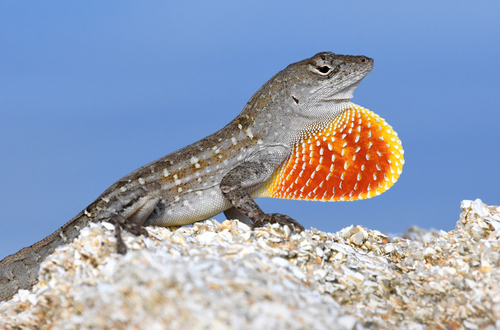
Florida, US
You might spot Brown Anole, Shiny-Leaved Wild Coffee, and Firebush.
View guide →
Take the discovery with you
Snap it with Snappit to identify it, learn what makes it special, and add the discovery to your collection.









.jpg&width=800)


_001.jpg&width=800)




