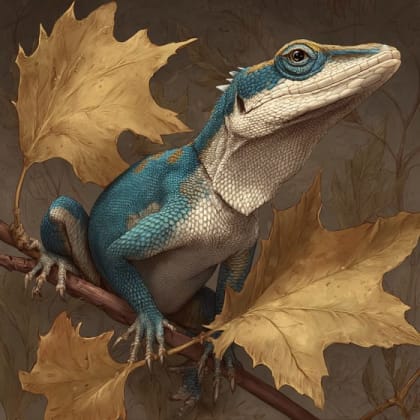
Brown Anole

Limahuli Garden and Preserve offers a profound journey into Hawaii's ecological and cultural heart.
Limahuli Garden and Preserve offers a profound journey into Hawaii's ecological and cultural heart. It's a sanctuary on Kauai's North Shore dedicated to preserving rare native Hawaiian plants and ancient traditions. Recognized as the best natural botanical garden in the U.S., it stands as a testament to the enduring connection between nature and humanity.
The garden's landscape is a living museum, featuring the "Canoe Garden" where plants brought by early Polynesian voyagers, such as taro (kalo), breadfruit, and banana, thrive. Visitors can walk through meticulously restored ancient terraced taro patches (lo'i kalo), some over a thousand years old, that showcase ingenious traditional Hawaiian agricultural practices and water management. The Native Forest area transports you to pre-contact Hawaii, home to incredibly rare and endangered endemic species like the striking alula (`Brighamia insignis`), the unique native fan palm (loulu, `Pritchardia napaliensis`), and the beautiful white hibiscus (`koki'o ke'oke'o`).
A visit to Limahuli is a deeply enriching experience, combining education with breathtaking natural beauty. The garden provides both self-guided tours with comprehensive interpretive booklets and docent-led experiences, allowing guests to delve into the stories of the plants, the valley's history, and its profound cultural significance. Framed by the majestic Makana Mountain (often called Bali Hai) and offering sweeping views of the Pacific Ocean, it's a serene and unforgettable place for anyone seeking a deeper appreciation of Hawaii's unique heritage and biodiversity. Wondering what that bird or insect is? Find out on your visit using the Snappit nature app.
and culture buffs * Photography * Eco-conscious travelers * Birdwatching
Take a self-guided stroll with an interpretive booklet or join a docent-led tour. Look for native birds and immerse yourself in the cultural significance of the plants and landscape.
Kauai's North Shore is known for its lushness, which means rain can be frequent. Be prepared for potential wet weather.
The main trail is a 0.75-mile (1.2 km) loop with an elevation change of about 200 feet (60 m) and includes many sets of stairs. While trails are generally well-maintained, some grassy areas can be slippery. Restrooms are available near the parking area and visitor center.
Explore plants introduced by early Polynesian settlers, such as taro, breadfruit, and banana.
Marvel at the historic agricultural system and intricate water management.
Discover rare and endangered endemic Hawaiian plants, providing a glimpse of pre-contact Hawaii.
Enjoy stunning vistas of the iconic "Bali Hai" mountain and the Pacific coastline.
Each card links to a full Explore page with photos, traits, and fun facts.
Start with the big picture, then zoom in to explore individual wildlife observations around this place.
Book Reservations in Advance
Secure your spot, especially if driving, as parking is limited and walk-ins are often turned away. Online booking opens 30 days ahead.
Wear Appropriate Footwear
Opt for comfortable, sturdy walking shoes or sandals with good traction. The trail includes an incline and many steps, and some grassy areas can be slippery, so avoid flip-flops.
Prepare for Weather
Bring sun protection like a hat, sunscreen, and sunglasses. Also, pack a rain jacket or poncho, as Kauai's North Shore frequently experiences rain.
Stay Hydrated & Use Bug Spray
Carry a refillable water bottle as water refilling stations are available. Apply insect repellent, especially during dusk, as mosquito activity can increase.
Consider the Shuttle
Utilize the North Shore Shuttle service for convenience and a discount on admission; reservations are not required for garden entry if arriving by shuttle.
Allow Extra Time
While estimated visit times are provided, consider giving yourself more time than recommended to truly immerse yourself in the beauty, history, and tranquility of the garden.
May 27, 2026
May 27, 2026
May 27, 2026
May 25, 2026
May 25, 2026

Maryland, US
You might spot White-Tailed Deer and Eastern Gray Squirrel.
View guide →
.jpg)
District of Columbia, US
You might spot Eastern Gray Squirrel, Duck, and House Sparrow.
View guide →

Illinois, US
You might spot American Robin, Canada Goose, and House Sparrow.
View guide →

Virginia, US
You might spot Spotted Lanternfly and Northern Cardinal.
View guide →
Take the discovery with you
Identify the wildlife you spot, learn as you go, and keep a collection of the adventure.