





Scented Solomon'S-Seal
polygonatum odoratum
The Scented Solomon's-Seal has beautiful arching leaves and delicate white flowers that smell sweet! It's a wonderful plant to find in shady woods during springtime.
Habitat: Shady forests and woodland areas.
The Scented Solomon's-Seal has graceful, arching stems adorned with alternate oval leaves. Small, bell-shaped white or greenish-white flowers hang delicately in pairs or clusters beneath the leaves. In fall, its berries turn a deep blue-black.
Category
PlantsRarity
Common
Danger
0/5 · No known danger
Snaps
1
Its blue-black berries are a tasty treat for birds, helping spread seeds far!
Its scientific name 'odoratum' means 'fragrant' because of its sweet perfume.
Root scars look like ancient wax seals, inspiring its name Solomon's-Seal!
This perennial plant can live for many years in the same cool, shady spot!
Scented Solomon's-Seal has thick rhizomes that help it spread slowly underground to colonize new areas and store energy.
Scented Solomon's-Seal can release a strong, sweet fragrance to attract busy pollinators like bees to its hidden flowers.
Scented Solomon's-Seal has downward-facing, pendulous flowers that protect its delicate pollen from rain and moisture.
Apis mellifera
collects nectar from its flowers
Bombus terrestris
visits its hanging bell flowers
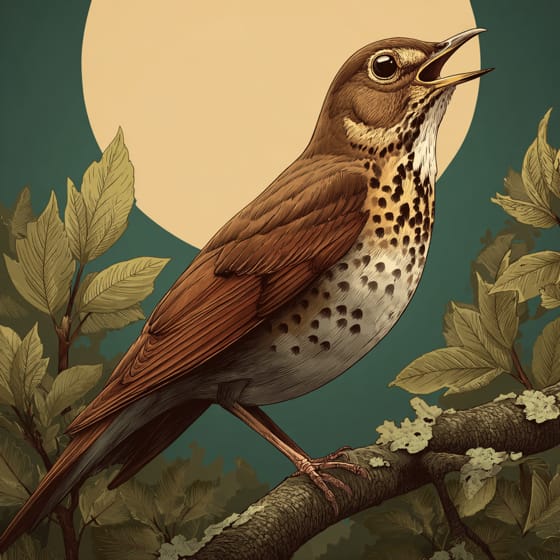
Turdus philomelos
consumes its blue-black berries
Colorful describes organisms or objects displaying a wide range of bright and distinct colors.
This trait characterizes organisms whose diet consists entirely or primarily of plant material.
Forest habitats are terrestrial environments dominated by dense tree cover, supporting a high diversity of plant and animal life.
Diurnal animals are primarily active during daylight hours, typically resting or sleeping at night.

Describes organisms that transfer pollen, enabling the fertilization and reproduction of plants.
Danger
0/5 · No known danger
No special safety notes yet.
The easiest way to identify Scented Solomon'S-Seal is to use the Snappit nature identifier app.
30-80 cm
30-60 cm
1-2 cm
Late spring to early summer
No
Mild
Perennial
Zoom in to split clusters and explore where this object has been snapped.
Take the discovery with you
Snap it with Snappit to identify it, learn what makes it special, and add the discovery to your collection.









.jpg&width=800)



_001.jpg&width=800)




