





Red-Flanked Duiker
cephalophus rufilatus
The Red-Flanked Duiker is a small and shy antelope found in the forests of Africa. With its beautiful reddish-brown coat and white stripes, it blends perfectly into its leafy surroundings!
Habitat: Tropical forests and woodland areas in Central and West Africa
The Red-Flanked Duiker has striking reddish-brown flanks with a dark bluish-grey back, creating a distinctive saddle pattern. It also features a bold black stripe down its face and a black muzzle. Both males and females grow short, spiky horns.
Category
MammalsRarity
Common
Danger
1/5 · Very low
Snaps
Be the first to snap!
Baby duikers are called 'kids' and are born with their eyes open!
Both male and female Red-Flanked Duikers grow tiny, sharp horns!
Duikers often freeze completely still when sensing danger to blend in!
They have a special black stripe that runs from their nose to their forehead!
Red-Flanked Duiker can 'dive' into thick vegetation because its small, wedge-shaped body helps it disappear instantly from predators.
Red-Flanked Duiker has a unique ability to eat fruit fallen from trees because it follows monkeys and birds for tasty snacks.
Red-Flanked Duiker can leave scent messages for other duikers using glands below its eyes, helping it communicate.
These little browsers eat fruits, leaves, and fungi found on the forest floor.
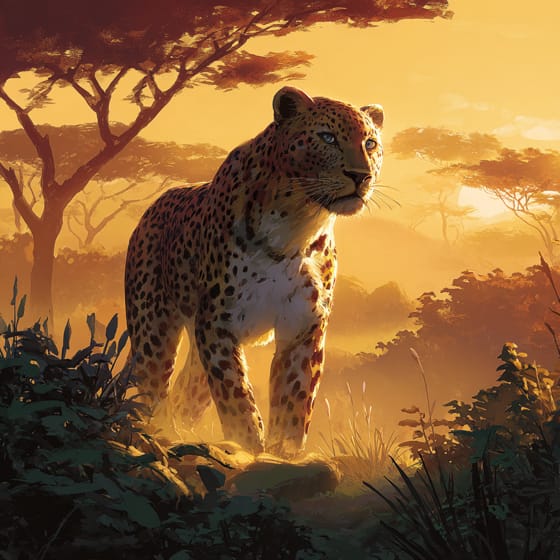
Panthera pardus
a primary predator of adult duikers.
Caracal aurata
preys on smaller or younger duikers.
Ficus exasperata
eats fallen fruits from this fig tree.
Spondias mombin
relies on fruits and leaves from this tree.
Furry describes animals possessing a dense covering of soft hair or fur.
Solitary animals live alone for most of their lives, only interacting with others for mating or parental care.
Camouflaged describes organisms that possess coloring or patterns that allow them to blend into their environment.
This trait characterizes organisms whose diet consists entirely or primarily of plant material.

Forest habitats are terrestrial environments dominated by dense tree cover, supporting a high diversity of plant and animal life.
Danger
1/5 · Very low
No special safety notes yet.
The easiest way to identify Red-Flanked Duiker is to use the Snappit nature identifier app.
55-75 cm
9-12 kg
10-12 years
45 km/h
These little browsers eat fruits, leaves, and fungi found on the forest floor.
Tropical forests and woodland areas in Central and West Africa
Foraging
Zoom in to split clusters and explore where this object has been snapped.
Recent snaps will appear here as new observations are added.
Take the discovery with you
Snap it with Snappit to identify it, learn what makes it special, and add the discovery to your collection.




.jpg&width=800)

.JPG&width=800)


.jpg&width=800)
