





Mountain Hare
Lepus timidus
The Mountain Hare is a fluffy rabbit that lives in cold, snowy places. In winter, its fur turns white to blend in with the snow, and in summer, it turns brown to match the ground.
Habitat: Mountain regions
The Mountain Hare has a compact body with short, rounded ears that are tipped in black all year. Its fur is typically brownish-grey in summer, but famously turns pure white in winter, making it perfectly blend with snow. This seasonal coat change makes it visually distinct.
Category
MammalsRarity
Common
Danger
1/5 · Very low
Snaps
Be the first to snap!
In some parts of the world, Mountain Hares keep their brown fur all year, even in winter!
Mountain Hares sometimes eat their own droppings to get extra nutrients!
They often dig shallow scrapes in the ground called 'forms' to rest and hide from danger!
Unlike rabbits, baby hares (leverets) are born with open eyes and can run within minutes!
Mountain Hares have fur that changes colour seasonally, helping them magically blend into their snowy or rocky environment.
Mountain Hares have large, furry feet that spread out, helping them run on deep snow without sinking down too much.
Mountain Hares can sprint up to 60 km/h, which helps them quickly escape from predators across open terrain.
Mountain Hares have thick fur that provides excellent insulation, keeping them warm in freezing temperatures.
These plant-eaters munch on tough grasses, heather, and twigs to survive chilly mountain weather.
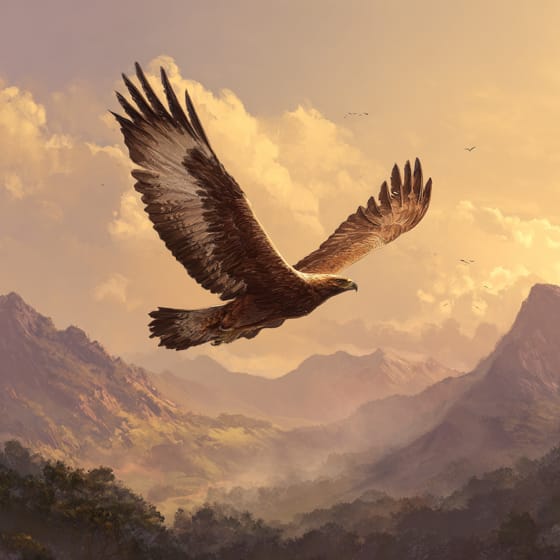
Aquila chrysaetos
A major bird of prey in mountain habitats.
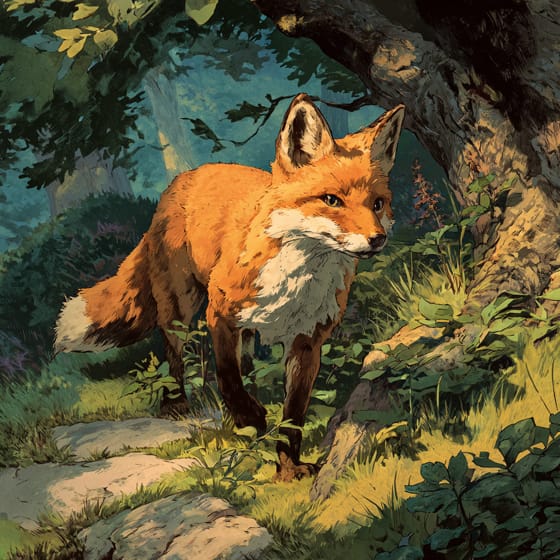
Vulpes vulpes
A common predator in many hare habitats.
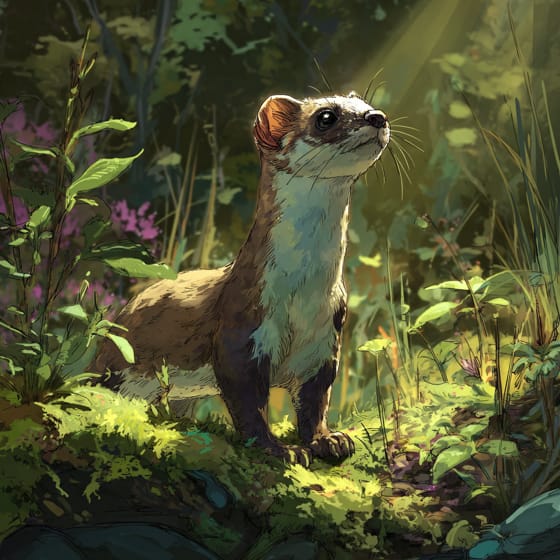
Mustela erminea
Preys on leverets and smaller hares.
Canis lupus
Hunts hares in areas where both live.
Furry describes animals possessing a dense covering of soft hair or fur.
Solitary animals live alone for most of their lives, only interacting with others for mating or parental care.
Camouflaged describes organisms that possess coloring or patterns that allow them to blend into their environment.
This trait characterizes organisms whose diet consists entirely or primarily of plant material.

This habitat trait identifies species found in mountainous regions, characterized by high elevation, steep slopes, and varying climate zones.

This trait identifies organisms that exhibit exceptional swiftness in movement for hunting, escape, or travel.

Nocturnal animals are primarily active during the nighttime hours, typically resting or sleeping during the day.
No aliases listed yet.
Danger
1/5 · Very low
If you see a Mountain Hare in the wild, watch quietly from a distance so you don't scare it.
The easiest way to identify Mountain Hare is to use the Snappit nature identifier app.
45-65 cm
2-5 kg
3-8 years
60 km/h
These plant-eaters munch on tough grasses, heather, and twigs to survive chilly mountain weather.
Mountain regions
Foraging
Zoom in to split clusters and explore where this object has been snapped.
Recent snaps will appear here as new observations are added.
Take the discovery with you
Snap it with Snappit to identify it, learn what makes it special, and add the discovery to your collection.





.jpg&width=800)


.JPG&width=800)


.jpg&width=800)
