





Red Horse Chestnut
Aesculus ×carnea Hayne
The Red Horse Chestnut is known for its bright red flowers that attract lots of bees and butterflies. It’s a beautiful tree to see!
Habitat: Parks and gardens
The Red Horse Chestnut has striking, deep pink to reddish-pink flowers, often with a yellow blotch, that bloom in upright clusters. Its large, dark green palmate leaves spread like fingers, and its fruit is a lightly spiny green capsule containing poisonous brown seeds, known as conkers.
Category
TreesRarity
Common
Danger
1/5 · Very low
Snaps
Be the first to snap!
Each big leaf is made of 5 to 7 leaflets, spreading out like fingers!
It's a special hybrid tree, a mix of two different horse chestnut species!
Its 'conkers' were once used by kids in a popular autumn game in Europe!
Unlike many nuts, its seeds are poisonous, so definitely don't try to eat them!
Red Horse Chestnut has bright, red-pink flowers that act like neon signs, attracting buzzing pollinators from afar.
Red Horse Chestnut can produce toxic 'conkers' that deter animals from eating its valuable seeds, protecting its offspring.
Red Horse Chestnut possesses traits from two parent trees, giving it extra strength to thrive and resist diseases.
Apis mellifera
Visits flowers for nectar and pollen.
Bombus terrestris
Important pollinator of its vibrant flowers.
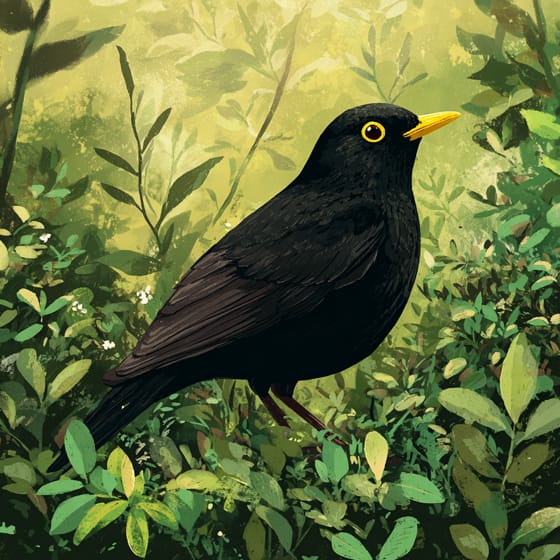
Turdus merula
Nests among its branches for protection.
Deciduous plants periodically shed all their leaves, typically during autumn or dry seasons.
Cluster flowers are inflorescences where individual flowers are arranged closely together on a common stem.
Shade tolerant plants are adapted to grow and thrive in areas with low light levels, requiring less direct sunlight.
Spring blooming plants produce their flowers during the spring season, often signifying the end of winter and the start of new growth.

Broadleaf trees are angiosperms characterized by flat, wide leaves that are typically shed annually in temperate climates.

Fragrant flowers emit a pleasant aroma, often to attract pollinators or for defense.

This habitat trait indicates species that can coexist with humans in urban and suburban environments, utilizing man-made structures and green spaces.

Describes organisms that transfer pollen, enabling the fertilization and reproduction of plants.
No aliases listed yet.
Danger
1/5 · Very low
Do not pick or eat anything you find. Some plants and mushrooms can be harmful.
The easiest way to identify Red Horse Chestnut is to use the Snappit nature identifier app.
15-25 m
8-12 m
No
50-100 cm
150-200 years
Parks and gardens
Spiny capsule (conker)
Zoom in to split clusters and explore where this object has been snapped.
Recent snaps will appear here as new observations are added.
Take the discovery with you
Snap it with Snappit to identify it, learn what makes it special, and add the discovery to your collection.










