





Red Oak Borer
enaphalodes rufulus
The Red Oak Borer is a fascinating beetle that loves to munch on oak trees! Its unique shape and colors make it an exciting insect to discover in the forest.
Habitat: Red Oak Borers live in oak forests and woodlands where they can find plenty of oak trees to feed on.
The Red Oak Borer is a large, elongated beetle, typically reddish-brown to dark brown, with very long antennae often exceeding its body length. Its hard wing covers may have subtle lighter markings, and its body appears somewhat flattened.
Category
InsectsRarity
Common
Danger
0/5 · No known danger
Snaps
Be the first to snap!
Adult beetles only live a few weeks, their main job is to find a mate quickly!
Female borers lay eggs in tiny cracks of oak tree bark, often unseen by most!
Its larvae can live inside oak trees for up to three years before becoming adults!
Sometimes, you can hear their chewing inside trees if you listen very closely!
Red Oak Borer larvae have powerful mandibles that help them tunnel extensively through hard oak wood for protection and food.
Adults have very long, segmented antennae that help them detect chemical signals and navigate their forest environment.
Larvae munch on oak wood inside trees, while adult beetles might sip a bit of tree sap.
Age differences: Larvae consume wood, while adults typically feed little or on tree sap.
Quercus rubra
Larvae feed on wood, causing damage and providing shelter.
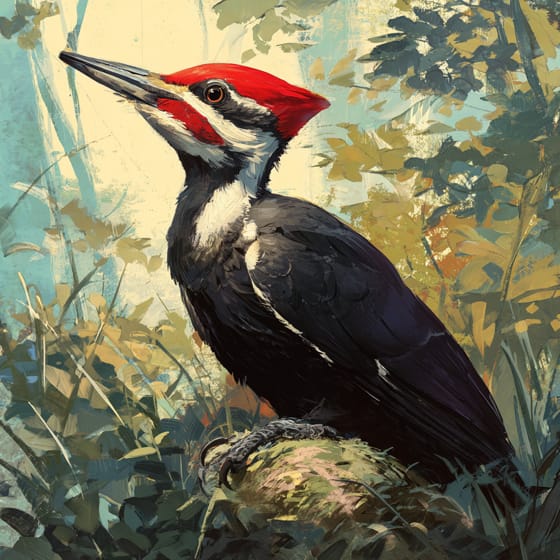
Dryocopus pileatus
Woodpeckers dig for larvae hidden inside oak trees.
Spathius braconis
This tiny wasp lays eggs on the beetle larvae inside tree tunnels.
Solitary animals live alone for most of their lives, only interacting with others for mating or parental care.
This trait characterizes organisms whose diet consists entirely or primarily of plant material.
Describes organisms that break down dead organic material, recycling nutrients back into the ecosystem.
Forest habitats are terrestrial environments dominated by dense tree cover, supporting a high diversity of plant and animal life.

Diurnal animals are primarily active during daylight hours, typically resting or sleeping at night.
Danger
0/5 · No known danger
No special safety notes yet.
The easiest way to identify Red Oak Borer is to use the Snappit nature identifier app.
40-80 mm
20-40 mm
760-1185 days
Larvae munch on oak wood inside trees, while adult beetles might sip a bit of tree sap.
Red Oak Borers live in oak forests and woodlands where they can find plenty of oak trees to feed on.
Foraging
6
Zoom in to split clusters and explore where this object has been snapped.
Recent snaps will appear here as new observations are added.
Take the discovery with you
Snap it with Snappit to identify it, learn what makes it special, and add the discovery to your collection.







.jpg&width=800)



