

Reindeer Lichen
Cladonia arbuscula (Wallr.) Flot.
Reindeer lichen is a special type of fungus that looks like tiny reindeer antlers. It grows on rocks and soil in cold places like the Arctic and mountain regions.
Habitat: Mountain regions
The Reindeer Lichen is a spongy, highly branched organism with a distinctive grayish-white or greenish-gray color. It forms dense, carpet-like mats that resemble miniature coral or a tiny, frosted shrub. Its intricate structure helps it trap moisture.
Category
FungiRarity
Common
Danger
1/5 · Very low
Snaps
Be the first to snap!
Ancient cultures sometimes used this lichen to make dyes for clothing.
It grows incredibly slowly, sometimes less than a centimeter per year!
Reindeer lichen isn't one living thing, but two! A fungus and an algae work together.
This spongy lichen can soak up astonishing amounts of water, like a living sponge!
Reindeer Lichen can survive extreme dryness by entering a dormant state, which helps them live in harsh, water-scarce environments.
Reindeer Lichen has a unique metabolism that allows it to photosynthesize at very low temperatures, helping it thrive in Arctic regions.
Reindeer Lichen can absorb nutrients and pollutants directly from the air, helping scientists measure air quality.
Rangifer tarandus
Main food source for reindeer in winter when snow covers plants.
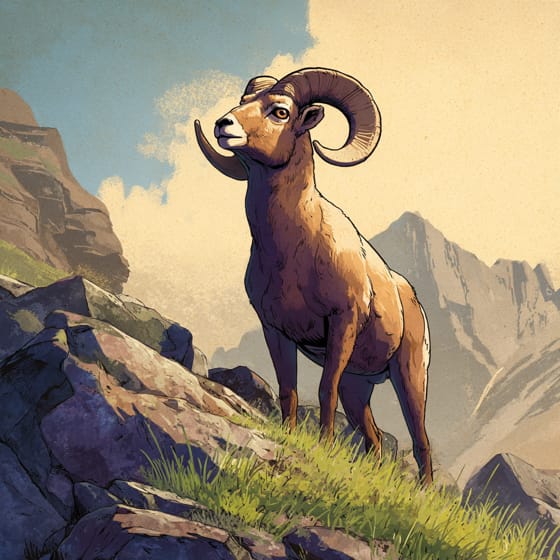
Ovis canadensis
Occasional food for bighorn sheep in high alpine environments.
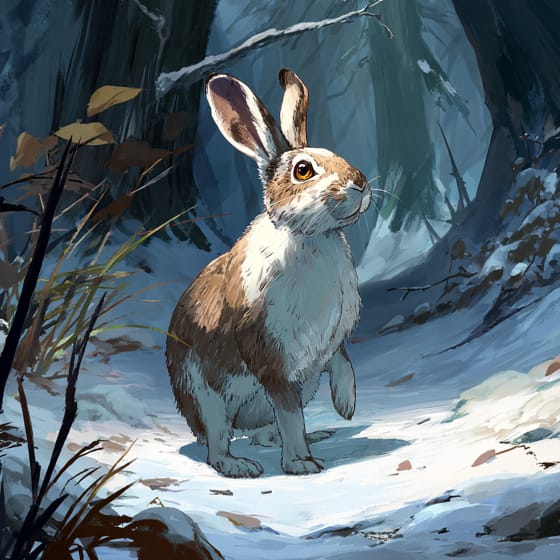
Lepus americanus
Snowshoe hares might nibble on it during harsh winters.
This trait describes a composite organism resulting from a symbiotic association between a fungus and a photosynthetic partner, typically an alga or cyanobacterium.
This trait characterizes plants lacking specialized vascular tissues (xylem and phloem) for transporting water and nutrients.
Cold hardy plants are able to withstand low temperatures and freezing conditions without significant damage.
This habitat trait identifies species found in mountainous regions, characterized by high elevation, steep slopes, and varying climate zones.

This trait signifies organisms belonging to a very old evolutionary group with ancestors dating back millions of years.

Endangered status indicates a species is at a very high risk of extinction in the wild in the near future.
Danger
1/5 · Very low
Reindeer lichen is safe to observe but should not be touched or eaten.
The easiest way to identify Reindeer Lichen is to use the Snappit nature identifier app.
3-10 cm
edible
Mountain regions
soil
Year-round
Zoom in to split clusters and explore where this object has been snapped.
Recent snaps will appear here as new observations are added.
Take the discovery with you
Snap it with Snappit to identify it, learn what makes it special, and add the discovery to your collection.




.jpg)