





Ruff
Calidris pugnax
The Ruff is a special bird known for its colorful feathers and fancy dances during mating season. They are often seen in wetlands and are great at blending in with their surroundings.
Habitat: Wetlands
The Ruff has highly variable breeding plumage, with males displaying a spectacular collar-like ruff and ear tufts in colors ranging from black, white, rufous, to barred patterns. Females are plainer, mottled brown with paler undersides. This striking difference makes breeding males visually distinct from almost any other shorebird.
Category
BirdsRarity
Common
Danger
1/5 · Very low
Snaps
Be the first to snap!
A Ruff's amazing long migration means it can experience summer at both ends of the world!
Female Ruffs raise their chicks all by themselves, building nests in hidden grassy spots!
No two male Ruffs look exactly alike during breeding season; their ruffs are like unique fingerprints!
Some male Ruffs mimic females to sneak past territorial males and find a mate!
Ruff males can have incredibly diverse feather patterns and mating behaviors, helping them attract mates in unique ways.
Ruff has powerful wings and stamina for long migrations, helping them fly thousands of kilometers between continents.
Ruff can probe marshy ground with its sensitive beak, helping it find hidden insects and worms for food.
The Ruff is an omnivore, mostly eating insects and plant matter found in muddy wetlands.
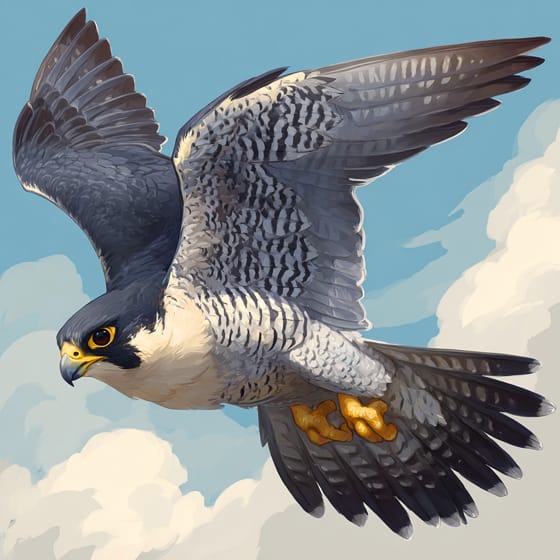
Falco peregrinus
A swift predator that preys on migrating Ruffs.
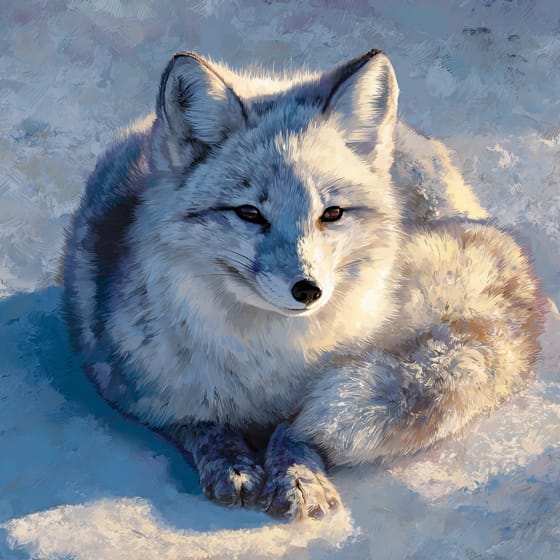
Vulpes lagopus
Preys on Ruff eggs and chicks in breeding grounds.
Chironomus plumosus
Ruffs forage for the larvae of these midges in mud.
Dytiscus marginalis
Ruffs consume larvae and adult diving beetles.
Feathered describes animals, primarily birds, possessing a covering of feathers.
Social animals live in organized groups, cooperating for survival benefits such as foraging, defense, and raising offspring.
Camouflaged describes organisms that possess coloring or patterns that allow them to blend into their environment.
Colorful describes organisms or objects displaying a wide range of bright and distinct colors.

This trait identifies organisms whose diet primarily consists of insects and other small invertebrates.

This habitat trait identifies species found in wetlands, which are areas of land saturated with water, either permanently or seasonally, including marshes, swamps, and bogs.

Diurnal animals are primarily active during daylight hours, typically resting or sleeping at night.

Migratory animals undertake seasonal movements from one region to another, typically in response to changes in climate or food availability.
Danger
1/5 · Very low
Always watch birds from a distance and do not try to touch them.
The easiest way to identify Ruff is to use the Snappit nature identifier app.
20-32 cm
54-60 cm
0.07-0.23 kg
10-15 years
70 km/h
The Ruff is an omnivore, mostly eating insects and plant matter found in muddy wetlands.
Wetlands
Zoom in to split clusters and explore where this object has been snapped.
Recent snaps will appear here as new observations are added.
Take the discovery with you
Snap it with Snappit to identify it, learn what makes it special, and add the discovery to your collection.




.jpg&width=800)







