





Curlew Sandpiper
Calidris ferruginea
The Curlew Sandpiper is a small, beautiful bird with long legs and a curved beak. It loves to run along the shore and search for tiny food in the sand and mud.
Habitat: Coastal areas
The Curlew Sandpiper has a long, slender, downward-curved bill and relatively long dark legs. In breeding season, it sports striking brick-red underparts and a dark mottled back, while non-breeding birds are a plainer grey-brown above and white below.
Category
BirdsRarity
Common
Danger
1/5 · Very low
Snaps
Be the first to snap!
Sometimes, thousands of them flock together during migration!
The male often cares for the chicks all by himself!
Their nesting grounds are in the very cold Arctic tundra!
They can drink saltwater, thanks to special glands!
Curlew Sandpiper can fly thousands of miles because they have incredible stamina that helps them migrate from the Arctic to southern continents.
Curlew Sandpiper can find hidden worms deep in the mud because of their long, sensitive, curved bill that acts like a precise detector.
Curlew Sandpiper has drab gray and white feathers in winter that help them disappear against muddy shores, hiding from predators.
They munch on tiny worms and insects found hiding in mud and sand.
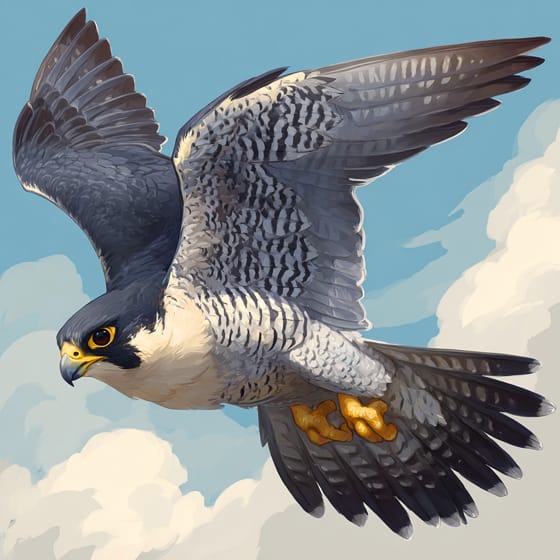
Falco peregrinus
hunts them during their long migration flights
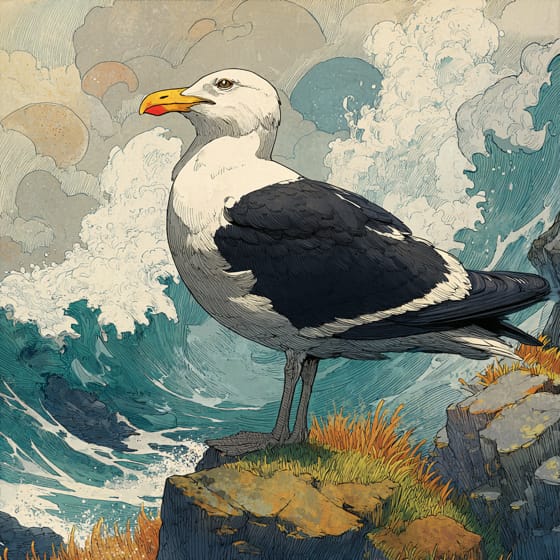
Larus marinus
preys on eggs, chicks, and sometimes adults
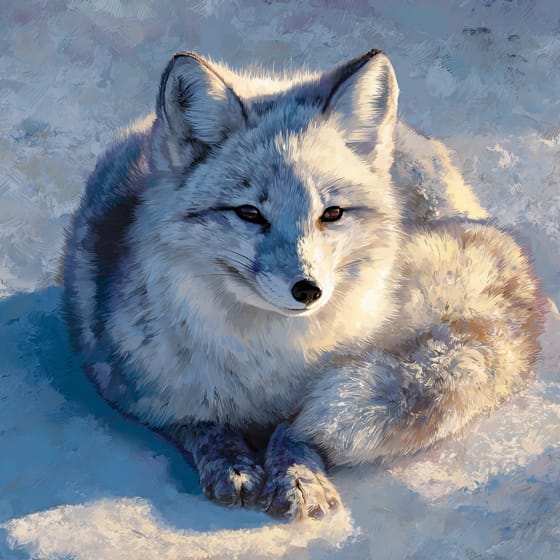
Vulpes lagopus
eats their eggs and chicks in the Arctic
Hediste diversicolor
probes mudflats to find these marine worms
Hydrobia ulvae
sucks tiny snails from the surface of mudflats
Feathered describes animals, primarily birds, possessing a covering of feathers.
Camouflaged describes organisms that possess coloring or patterns that allow them to blend into their environment.
Colorful describes organisms or objects displaying a wide range of bright and distinct colors.
This trait identifies organisms whose diet primarily consists of insects and other small invertebrates.

Coastal habitats are dynamic environments located along the interface between land and sea, influenced by tides, waves, and saltwater.

This trait identifies organisms that exhibit exceptional swiftness in movement for hunting, escape, or travel.

Migratory animals undertake seasonal movements from one region to another, typically in response to changes in climate or food availability.

Endangered status indicates a species is at a very high risk of extinction in the wild in the near future.
No aliases listed yet.
Danger
1/5 · Very low
Always watch birds from a distance and don't try to catch them.
The easiest way to identify Curlew Sandpiper is to use the Snappit nature identifier app.
18-23 cm
38-46 cm
0.04-0.11 kg
5-10 years
70 km/h
They munch on tiny worms and insects found hiding in mud and sand.
Coastal areas
Zoom in to split clusters and explore where this object has been snapped.
Recent snaps will appear here as new observations are added.
Take the discovery with you
Snap it with Snappit to identify it, learn what makes it special, and add the discovery to your collection.




.jpg&width=800)








