.jpg&width=800)





Rusty Tussock Moth
Orgyia antiqua
The Rusty Tussock Moth is a fuzzy, brown moth that loves to hide in trees. It has beautiful, colorful tufts on its back that make it look like it's wearing a fuzzy coat!
Habitat: Forests
The Rusty Tussock Moth male has rusty orange-brown forewings distinctively marked with a white comma-shaped spot near the trailing edge. Its hindwings are dark brown, and its body is hairy. The female is plump, greyish-brown, and has greatly reduced, vestigial wings.
Category
InsectsRarity
Common
Danger
2/5 · Low
Snaps
1
Adult Rusty Tussock Moths have no mouthparts and don't eat at all!
Its caterpillars wear colorful tufts, making them look like tiny, walking paintbrushes!
Male moths fly during the day, which is unusual for most moths!
The female moth can't fly; she lays her eggs right where she emerged from her cocoon!
Rusty Tussock Moth females release powerful airborne scents that helps them attract mates from far away, even though they can't fly.
Male Rusty Tussock Moths can fly swiftly during the day because of their strong wings, helping them actively search for mates.
Rusty Tussock Moth caterpillars have barbed, irritating hairs that helps them deter predators from eating them.
Rusty Tussock Moth caterpillars can eat leaves from many types of trees and shrubs, which helps them find food easily.
Caterpillars munch on various leaves, but adult moths don't eat at all!
Age differences: Larvae (caterpillars) are herbivorous; adults do not feed.
Cyanistes caeruleus
Common bird preys on caterpillars.
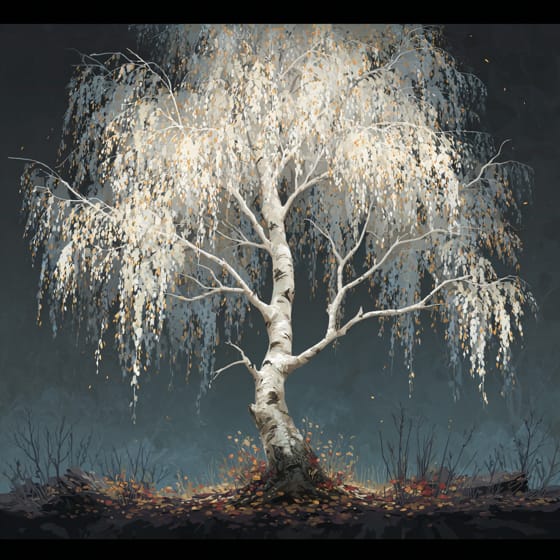
Betula pendula
Caterpillars feed on its leaves.
Hyposoter horticola
Lays eggs inside moth caterpillars.
Furry describes animals possessing a dense covering of soft hair or fur.
Solitary animals live alone for most of their lives, only interacting with others for mating or parental care.
Camouflaged describes organisms that possess coloring or patterns that allow them to blend into their environment.
Colorful describes organisms or objects displaying a wide range of bright and distinct colors.

This trait characterizes organisms whose diet consists entirely or primarily of plant material.

Forest habitats are terrestrial environments dominated by dense tree cover, supporting a high diversity of plant and animal life.

Nocturnal animals are primarily active during the nighttime hours, typically resting or sleeping during the day.
Danger
2/5 · Low
If you see a fuzzy caterpillar, it's best to look but not touch, as some can be itchy.
The easiest way to identify Rusty Tussock Moth is to use the Snappit nature identifier app.
25-35 mm
10-15 mm
5-10 days
7 km/h
Caterpillars munch on various leaves, but adult moths don't eat at all!
Forests
Foraging
Zoom in to split clusters and explore where this object has been snapped.
Take the discovery with you
Snap it with Snappit to identify it, learn what makes it special, and add the discovery to your collection.








.jpg&width=800)


