





Garden Grass-veneer
Chrysoteuchia culmella
The Garden Grass-veneer is a small, colorful moth that loves to flutter around gardens and fields. Its beautiful wings can be seen dancing in the sunlight, making it a delightful sight for everyone!
Habitat: Grasslands
The Garden Grass-veneer has shiny, golden-brown forewings streaked with darker lines and a distinct white or silvery stripe down the middle. Its hindwings are plain grey, and it often rests with its wings folded tightly, resembling a blade of grass.
Category
InsectsRarity
Common
Danger
1/5 · Very low
Snaps
Be the first to snap!
Amazing! Its wings have special scales that make them shimmer like tiny jewels!
Believe it! Its scientific name means 'golden thatch-eater' – a perfect grass dweller!
Woah! This moth's caterpillars live underground eating grass roots!
Wow! Male moths release special scents to attract females from far away!
Garden Grass-veneer can disappear into grass because of its camouflaged wings that help them hide from hungry predators.
Garden Grass-veneer can fly and find food at twilight because of its sensitive eyes that help them navigate in low light.
Garden Grass-veneer larvae can survive cold winters because of their ability to hibernate that helps them avoid frost.
Caterpillars munch on grass roots, while adult moths sip nectar from flowers for energy.
Age differences: Larvae feed on grass roots underground, while adults consume flower nectar.
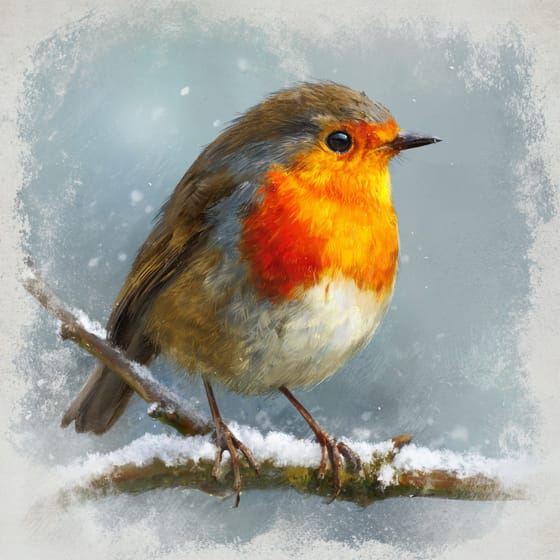
Erithacus rubecula
A tasty meal for hungry birds.
Pipistrellus pipistrellus
Nocturnal bats hunt them in flight.
Lolium perenne
Its larvae munch on roots underground.

Taraxacum officinale
Adults sip nectar, helping plant reproduction.
Solitary animals live alone for most of their lives, only interacting with others for mating or parental care.
Camouflaged describes organisms that possess coloring or patterns that allow them to blend into their environment.
Colorful describes organisms or objects displaying a wide range of bright and distinct colors.
Grassland habitats are terrestrial biomes dominated by grasses and herbaceous plants, supporting a variety of grazing animals.

This trait characterizes organisms whose diet consists entirely or primarily of plant material.

Describes plants that are particularly attractive and beneficial to a wide range of pollinating organisms.

Diurnal animals are primarily active during daylight hours, typically resting or sleeping at night.

Describes organisms that transfer pollen, enabling the fertilization and reproduction of plants.
No aliases listed yet.
Danger
1/5 · Very low
These moths are harmless, but it's best to watch them from a distance.
The easiest way to identify Garden Grass-veneer is to use the Snappit nature identifier app.
18-24 mm
8-12 mm
300-365 days
7 km/h
Caterpillars munch on grass roots, while adult moths sip nectar from flowers for energy.
Grasslands
Foraging
Zoom in to split clusters and explore where this object has been snapped.
Recent snaps will appear here as new observations are added.
Take the discovery with you
Snap it with Snappit to identify it, learn what makes it special, and add the discovery to your collection.






.jpg&width=800)



