





Handsome Meadow Katydid
Orchelimum pulchellum
The Handsome Meadow Katydid is a green insect that loves to hop around in meadows. With its long antennae and beautiful wings, it can blend in with the grass and leaves!
Habitat: Grasslands
The Handsome Meadow Katydid is a vibrant green insect with strikingly long, thread-like antennae. It often displays reddish-brown markings on its face and legs, distinguishing it from other meadow katydids, and has long wings that extend past its abdomen.
Category
InsectsRarity
Common
Danger
1/5 · Very low
Snaps
Be the first to snap!
Female katydids lay their eggs inside plant stems for safekeeping through the cold winter!
Its super long antennae, often twice its body length, help it feel its surroundings!
Male katydids have a 'file and scraper' on their wings, like a tiny natural instrument!
They mostly sing during the daytime, especially in the warm afternoons, filling the meadows with sound!
Handsome Meadow Katydid can 'sing' loudly by rubbing its specialized wing parts together, helping them attract mates in thick vegetation.
Handsome Meadow Katydid has tiny ears located on its front legs that help them hear other katydids and detect approaching predators.
Handsome Meadow Katydid has a vibrant green body and long wings that mimic leaves, helping them blend perfectly into their grassy home.
Handsome Meadow Katydid can leap surprisingly far using its powerful hind legs, which helps them escape danger quickly.
This omnivore eats mostly plants like grasses and leaves, but also enjoys munching on small insects!
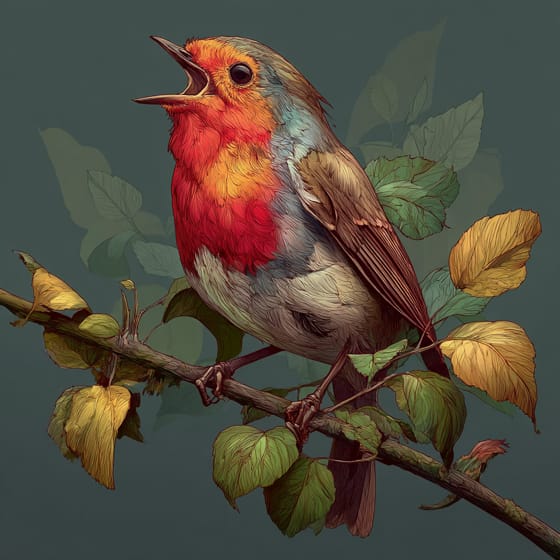
Turdus migratorius
A common bird that hunts insects in meadows.
Argiope aurantia
Builds large webs to catch flying and jumping insects.
Dactylis glomerata
Feeds on the leaves and stems of this common grass.
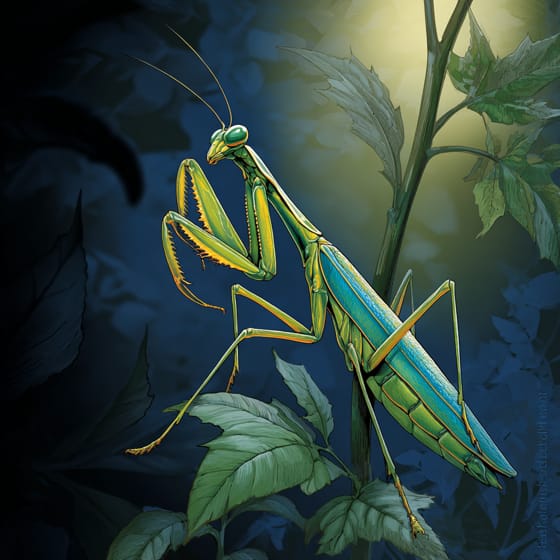
Mantis religiosa
An ambush predator that preys on large insects.
Singing animals produce complex vocalizations, often for purposes of attracting mates, defending territory, or communicating within their species.
Camouflaged describes organisms that possess coloring or patterns that allow them to blend into their environment.
Grassland habitats are terrestrial biomes dominated by grasses and herbaceous plants, supporting a variety of grazing animals.
This trait characterizes organisms whose diet consists entirely or primarily of plant material.

Diurnal animals are primarily active during daylight hours, typically resting or sleeping at night.

Describes organisms that transfer pollen, enabling the fertilization and reproduction of plants.
No aliases listed yet.
Danger
1/5 · Very low
Be gentle if you see one; they are small and delicate.
The easiest way to identify Handsome Meadow Katydid is to use the Snappit nature identifier app.
30-50 mm
15-25 mm
60-90 days
10 km/h
This omnivore eats mostly plants like grasses and leaves, but also enjoys munching on small insects!
Grasslands
Foraging
Zoom in to split clusters and explore where this object has been snapped.
Recent snaps will appear here as new observations are added.
Take the discovery with you
Snap it with Snappit to identify it, learn what makes it special, and add the discovery to your collection.






.jpg&width=800)




