





Sandhill Crane
Antigone canadensis
The Sandhill Crane is a tall bird with gray feathers and a red cap on its head. It loves to dance and make loud calls with its friends. These cranes fly in a V-shape when migrating long distances.
Habitat: Wetlands
The Sandhill Crane is a large, gray bird with long dark legs and a remarkably long neck. Its most striking feature is a distinctive bright red patch of bare skin on its forehead, setting it apart from other tall wading birds.
Category
BirdsRarity
Common
Danger
1/5 · Very low
Snaps
106
A group of Sandhill Cranes is sometimes called a 'herd' or even a 'dance'!
Baby cranes are called 'colts' and often stay with their parents for almost a full year.
Sandhill Cranes are one of the oldest known bird species, with fossils over 2.5 million years old!
Their strong, pointed bills are perfect tools for digging up tasty roots and small critters.
Sandhill Cranes have a super long windpipe that coils into their chest, helping them make incredibly loud, trumpeting calls.
Sandhill Cranes can 'paint' their feathers with mud and plant matter, camouflaging themselves to blend in better.
Sandhill Cranes can fly thousands of kilometers, traveling between breeding and wintering grounds with incredible endurance.
These tall birds eat a wide variety of plants and small animals they find by foraging.
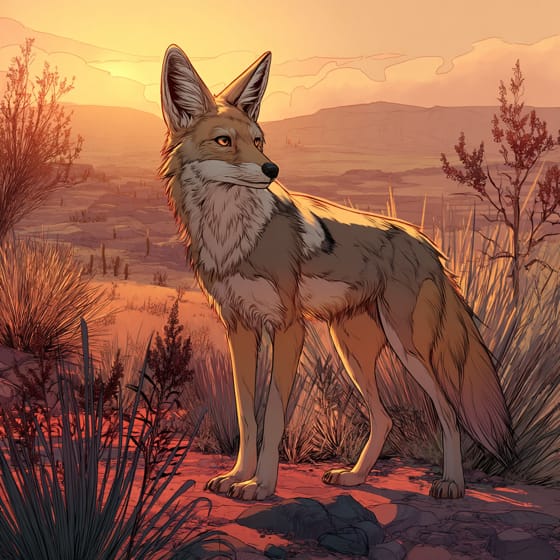
Canis latrans
Coyotes sometimes prey on crane eggs and young colts.
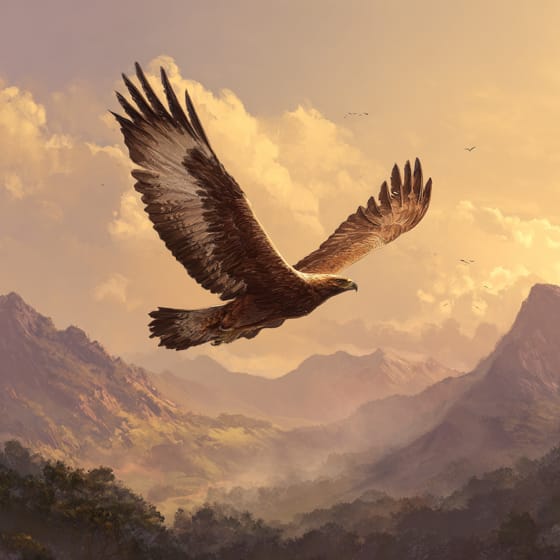
Aquila chrysaetos
Golden Eagles can predate on young or injured Sandhill Cranes.
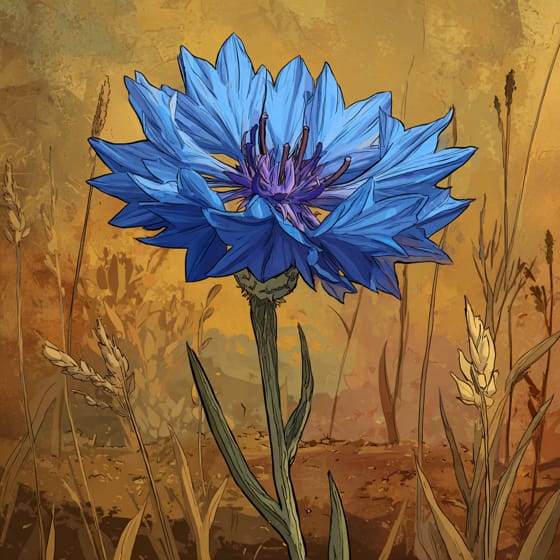
Zea mays
Cranes often forage for waste corn after harvests in fields.
Eleocharis palustris
Cranes consume tubers and roots of wetland plants.
Wildlife encompasses all undomesticated animal and plant life existing in their natural habitats.
Feathered describes animals, primarily birds, possessing a covering of feathers.
Social animals live in organized groups, cooperating for survival benefits such as foraging, defense, and raising offspring.
This trait identifies organisms whose diet includes both plant and animal matter.

This trait signifies organisms belonging to a very old evolutionary group with ancestors dating back millions of years.

This trait characterizes organisms with an exceptionally long lifespan compared to others of their kind.

This habitat trait identifies species found in wetlands, which are areas of land saturated with water, either permanently or seasonally, including marshes, swamps, and bogs.

Migratory animals undertake seasonal movements from one region to another, typically in response to changes in climate or food availability.
Danger
1/5 · Very low
Observe Sandhill Cranes from a safe distance to avoid disturbing them.
The easiest way to identify Sandhill Crane is to use the Snappit nature identifier app.
90-120 cm
160-210 cm
3-6.5 kg
20-25 years
70 km/h
These tall birds eat a wide variety of plants and small animals they find by foraging.
Wetlands
Zoom in to split clusters and explore where this object has been snapped.

Wisconsin, US
You might spot Turkey, White-Tailed Deer, and Dame's Rocket.
View guide →

US
You might spot Pond Slider, Black-Bellied Whistling-Duck, and Brown Anole.
View guide →
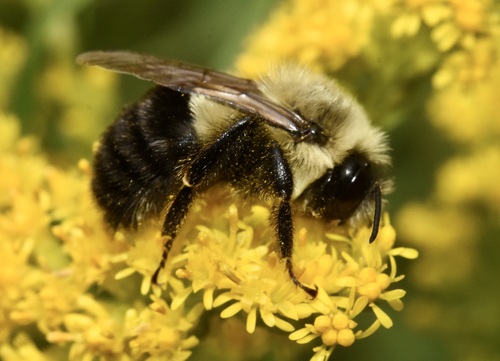
Ohio, US
You might spot Common Eastern Bumble Bee, Sensitive Fern, and Mayapple.
View guide →

Illinois, US
You might spot Viceroy, Common Wood-Nymph, and Acadian Hairstreak.
View guide →

Alaska, US
You might spot Sandhill Crane, Fireweed, and Prickly Wild Rose.
View guide →

Alaska, US
You might spot Moose, Devil's Club, and Red-Berried Elder.
View guide →
Take the discovery with you
Snap it with Snappit to identify it, learn what makes it special, and add the discovery to your collection.





.jpg&width=800)









