Scarlet Elfcup
sarcoscypha austriaca
The Scarlet Elfcup is a bright red mushroom that looks like a tiny cup! It's often found in damp, shady places, making it a fun find for nature explorers.
Habitat: Scarlet Elfcups live in moist, wooded areas, often on decaying leaves and logs.
The Scarlet Elfcup has a vivid, cup-shaped fruiting body, typically 1-5 cm across, perched on decaying branches. Its inner surface is brilliant scarlet, while the outer surface is paler, often pinkish or whitish. This striking color helps it stand out on the dull forest floor.
Category
FungiRarity
Common
Danger
1/5 · Very low
Snaps
1
Even in chilly winter, these vibrant fungi bravely pop up on fallen logs.
Some people call them 'fairy cups' because of their magical, bright appearance!
Their dazzling red helps them absorb a little more warmth from the weak winter sun!
They look like tiny red cups left behind by woodland elves!
Scarlet Elfcup can break down tough, dead wood because of special enzymes that help it recycle nutrients back into the forest soil.
Scarlet Elfcup has a cup shape that helps collect raindrops, which then splash out its tiny spores, sending them far and wide.
Scarlet Elfcup can thrive in chilly conditions because it grows in winter and early spring, bringing vibrant color when other fungi are scarce.
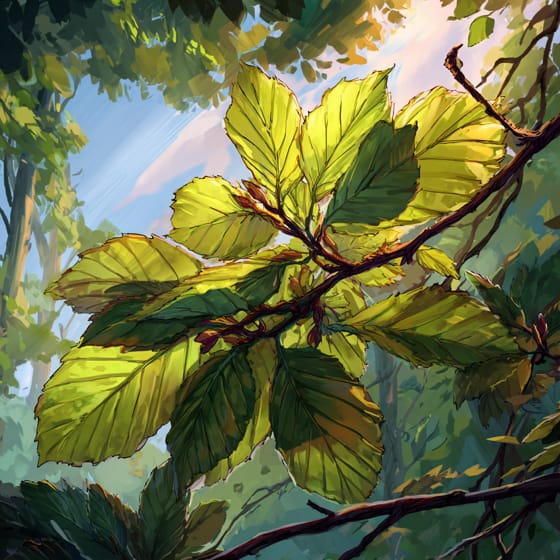
Fagus sylvatica
decays fallen branches of beech trees
Quercus robur
breaks down dead oak wood in the forest
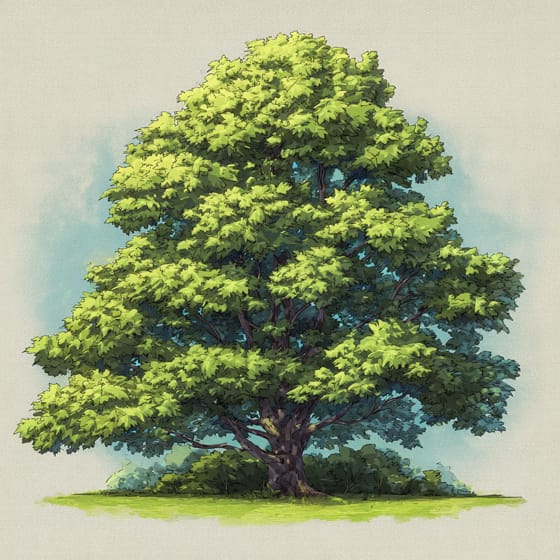
Acer pseudoplatanus
recycles nutrients from decaying maple logs
Colorful describes organisms or objects displaying a wide range of bright and distinct colors.
Describes organisms that break down dead organic material, recycling nutrients back into the ecosystem.
Forest habitats are terrestrial environments dominated by dense tree cover, supporting a high diversity of plant and animal life.
Danger
1/5 · Very low
Do not touch or eat wild mushrooms without adult supervision.
The easiest way to identify Scarlet Elfcup is to use the Snappit nature identifier app.
1-3 cm
edible
1-5 cm
Scarlet Elfcups live in moist, wooded areas, often on decaying leaves and logs.
wood
Winter to early spring
White
Zoom in to split clusters and explore where this object has been snapped.
Take the discovery with you
Snap it with Snappit to identify it, learn what makes it special, and add the discovery to your collection.