





Shoebill
Balaeniceps rex
The Shoebill is a large bird with a big, shoe-shaped bill! It lives in wetlands and is known for its unique appearance and quiet nature. Shoebills are great at standing still while they hunt for fish.
Habitat: Wetlands
The Shoebill is a massive, grey bird with a striking, oversized, shoe-shaped bill. Its piercing yellow eyes are set forward, giving it a prehistoric appearance unlike other marsh birds.
Category
BirdsRarity
Rare
Danger
2/5 · Low
Snaps
Be the first to snap!
It can eat baby crocodiles, sometimes even decapitating them before swallowing!
Shoebill parents use water to cool their eggs, sometimes spitting it on them!
The Shoebill is called a 'living fossil' because it looks like ancient birds!
They rarely make noise, but sometimes greet each other by bowing and clattering their bills.
Shoebills can stay incredibly still for hours, ambushing fish and reptiles with a powerful, swift strike.
Shoebills have eyes that help them see in murky water and a unique bill to grab slippery prey.
Shoebills can catch and hold large, slippery fish thanks to their massive, hooked bill and strong neck.
This giant bird loves to gobble up fish and even small reptiles from muddy waters.
Protopterus aethiopicus
A primary food source in its swamp habitat.
Clarias gariepinus
A common, large fish species hunted by shoebills.
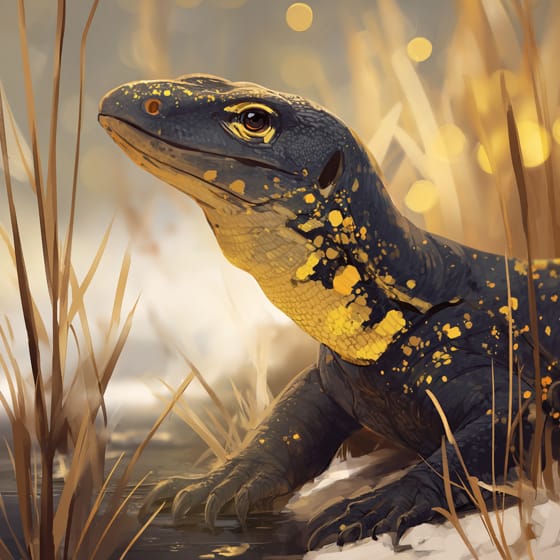
Varanus niloticus
Preys on shoebill eggs and chicks in the nest.
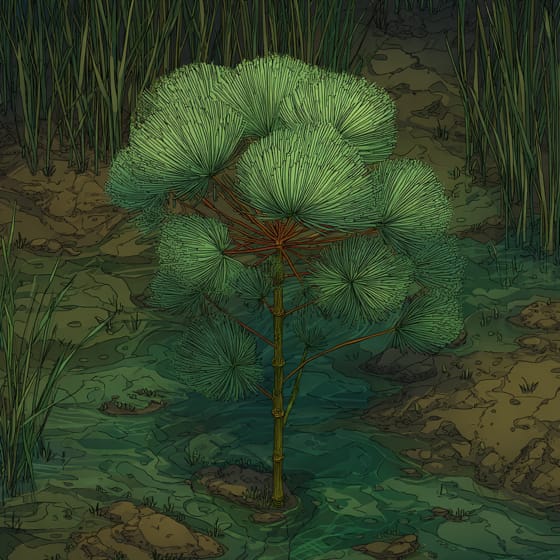
Cyperus papyrus
Provides crucial nesting material and hunting cover.
Feathered describes animals, primarily birds, possessing a covering of feathers.
Solitary animals live alone for most of their lives, only interacting with others for mating or parental care.
Piscivorous organisms are animals that primarily subsist on a diet of fish.
An ambush predator hunts by patiently waiting and concealing itself, then launching a sudden attack when unsuspecting prey comes within range.

This habitat trait identifies species found in wetlands, which are areas of land saturated with water, either permanently or seasonally, including marshes, swamps, and bogs.

This trait identifies organisms whose diet consists entirely or primarily of animal tissue.

Giant describes organisms or objects of significantly larger size than average for their species or type.

Endangered status indicates a species is at a very high risk of extinction in the wild in the near future.
Danger
2/5 · Low
Always observe wild birds from a distance and do not try to touch them.
The easiest way to identify Shoebill is to use the Snappit nature identifier app.
110-140 cm
230-260 cm
4-7 kg
30-50 years
35 km/h
This giant bird loves to gobble up fish and even small reptiles from muddy waters.
Wetlands
Zoom in to split clusters and explore where this object has been snapped.
Recent snaps will appear here as new observations are added.
Take the discovery with you
Snap it with Snappit to identify it, learn what makes it special, and add the discovery to your collection.




.jpg&width=800)









