





Yellow-headed Blackbird
Xanthocephalus xanthocephalus
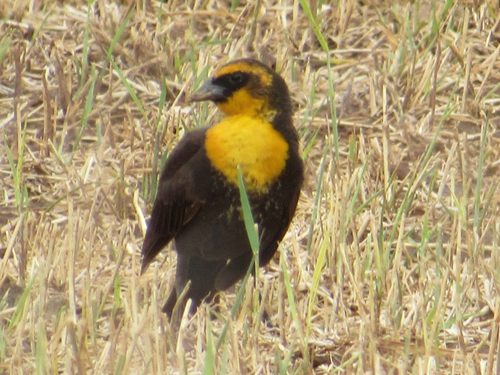
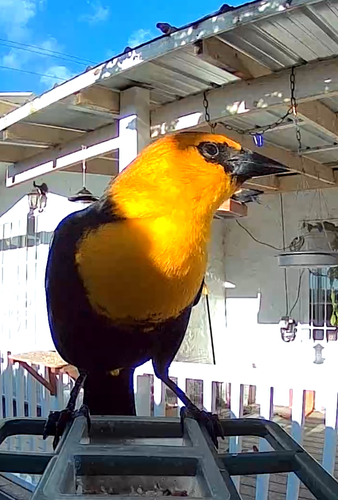
The Yellow-headed Blackbird is a striking bird with a bright yellow head and a black body. They love to sing and can often be found near wetlands, making their cheerful sounds a delight to hear.
Habitat: Wetlands
The Yellow-headed Blackbird has a striking appearance, with males sporting an entirely black body, a bright yellow head and chest, and a distinct white patch on the wing. Females are duller, brownish-black with a yellow wash on the face and throat, and streaked underparts.
Category
BirdsRarity
Common
Danger
1/5 · Very low
Snaps
20
Male Yellow-headed Blackbirds fiercely defend their territory by puffing up their yellow feathers!
Their loud, raspy call sometimes sounds like a rusty gate opening!
These birds often nest in colonies with hundreds of other blackbirds!
Yellow-headed Blackbirds will sometimes steal nesting materials from other bird species!
Yellow-headed Blackbirds can build intricate cup nests because of their weaving skills, anchoring them to marsh plants.
This bird has a unique, reedy call that helps them communicate and attract mates within their large breeding colonies.
Yellow-headed Blackbirds can expertly forage for insects in marsh vegetation and fields, providing food for their young.
These birds munch on juicy insects and tasty seeds found in their marshy homes!
Age differences: Nestlings are fed almost exclusively insects, while adults have a broader diet of insects and seeds.
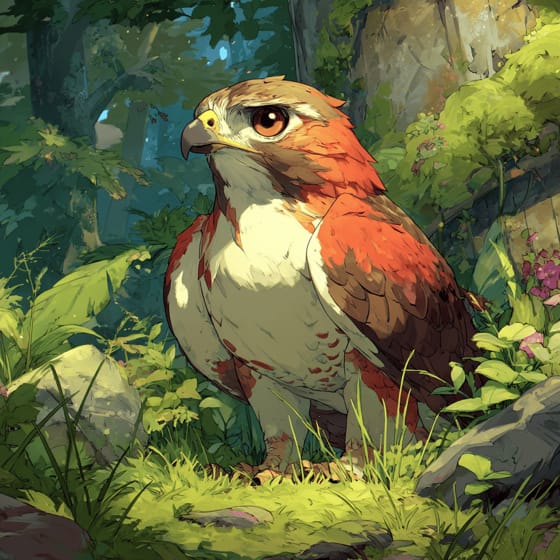
Buteo jamaicensis
Adults and fledglings can be prey.
Thamnophis sirtalis
Nests and young are vulnerable.
Typha latifolia
Nests are often built within dense cattail stands.
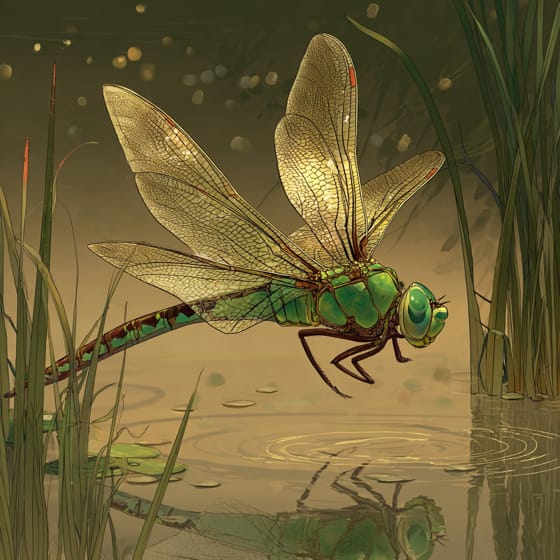
Anax junius
Forages for dragonfly larvae and adults.
Feathered describes animals, primarily birds, possessing a covering of feathers.
Social animals live in organized groups, cooperating for survival benefits such as foraging, defense, and raising offspring.
Colorful describes organisms or objects displaying a wide range of bright and distinct colors.
This trait identifies organisms whose diet primarily consists of insects and other small invertebrates.

This habitat trait identifies species found in wetlands, which are areas of land saturated with water, either permanently or seasonally, including marshes, swamps, and bogs.

Diurnal animals are primarily active during daylight hours, typically resting or sleeping at night.
No aliases listed yet.
Danger
1/5 · Very low
Enjoy watching birds from a distance, and don't disturb their nests.
The easiest way to identify Yellow-headed Blackbird is to use the Snappit nature identifier app.
21-26 cm
40-45 cm
0.038-0.075 kg
6-8 years
50 km/h
These birds munch on juicy insects and tasty seeds found in their marshy homes!
Wetlands
Zoom in to split clusters and explore where this object has been snapped.
May 10, 2026
Fort SupplyPhoto attribution
no rights reserved
License: CC0 1.0 ↗
Image may be shown cropped inside the card frame.
Apr 17, 2026
Grand CouleePhoto attribution
(c) solidstate, some rights reserved (CC BY)
License: CC BY 4.0 ↗
Image may be shown cropped inside the card frame.

Alabama, US
You might spot Muscovy Duck and Gulf Longear Sunfish.
View guide →

New Mexico, US
You might spot White-Winged Dove and Silverleaf Nightshade.
View guide →

Illinois, US
You might spot White-Tailed Deer, Lesser Celandine, and American Robin.
View guide →

Oregon, US
You might spot Belding's Ground Squirrel and Yellow-Headed Blackbird.
View guide →

North Dakota, US
You might spot Red Panda, Pallas's Cat, and Sichuan Takin.
View guide →

Nevada, US
You might spot Barbary Macaque, Chimpanzee, and African Lion.
View guide →
Take the discovery with you
Snap it with Snappit to identify it, learn what makes it special, and add the discovery to your collection.




.jpg&width=800)








