





Bubulcus ibis
Bubulcus ibis
The Bubulcus ibis, also known as the cattle egret, is a white bird often seen near farms and fields. It loves to follow cows and other animals to catch insects that fly up when they walk.
Habitat: Grasslands
The Bubulcus ibis is a small, stocky white heron with a short, thick yellowish bill and yellow legs. During breeding season, it sports beautiful buff-orange plumes on its head, neck, and back, making it stand out from other white egrets.
Category
BirdsRarity
Common
Danger
1/5 · Very low
Snaps
Be the first to snap!
Cattle egrets first appeared in the Americas less than 100 years ago, quickly spreading!
Sometimes, egrets will snatch ticks directly off the backs of their animal companions!
These clever birds often hitch rides on large animals, saving energy while searching for food!
Thousands of cattle egrets can gather nightly in huge communal roosting trees!
Bubulcus ibis can often be found near large grazing animals because they disturb insects, helping the egret find food easily.
Bubulcus ibis can stamp its feet on the ground to make hidden insects and worms emerge, which helps them catch a meal.
Bubulcus ibis has unique breeding plumage that turns buff-orange, helping them show off and attract a mate.
These birds mainly eat insects disturbed by grazing animals, but also snack on small vertebrates.
Bos taurus
Eats insects stirred up as cattle graze.
Schistocerca americana
Feasts on grasshoppers and other large insects.
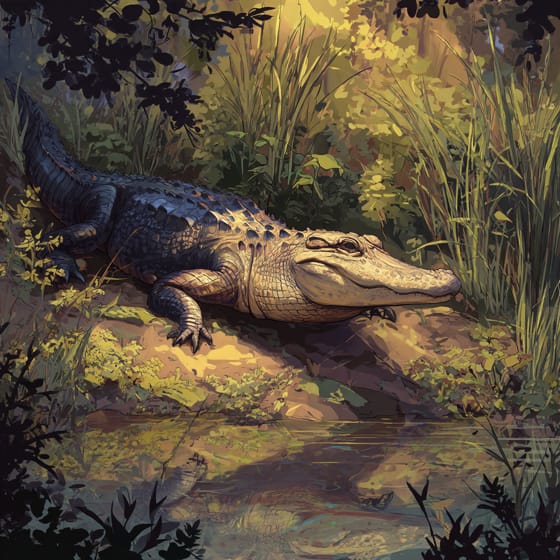
Alligator mississippiensis
Eggs and chicks can be predated by alligators.
Feathered describes animals, primarily birds, possessing a covering of feathers.
Social animals live in organized groups, cooperating for survival benefits such as foraging, defense, and raising offspring.
Colorful describes organisms or objects displaying a wide range of bright and distinct colors.
Grassland habitats are terrestrial biomes dominated by grasses and herbaceous plants, supporting a variety of grazing animals.

This trait identifies organisms whose diet primarily consists of insects and other small invertebrates.

Diurnal animals are primarily active during daylight hours, typically resting or sleeping at night.

Describes a species whose presence and role have a disproportionately large effect on its environment.

Migratory animals undertake seasonal movements from one region to another, typically in response to changes in climate or food availability.

Describes organisms that transfer pollen, enabling the fertilization and reproduction of plants.
No aliases listed yet.
Danger
1/5 · Very low
Enjoy watching birds from a distance and don't try to touch them.
The easiest way to identify Bubulcus ibis is to use the Snappit nature identifier app.
46-56 cm
88-96 cm
0.27-0.51 kg
7-15 years
35 km/h
These birds mainly eat insects disturbed by grazing animals, but also snack on small vertebrates.
Grasslands
Zoom in to split clusters and explore where this object has been snapped.
Recent snaps will appear here as new observations are added.
Take the discovery with you
Snap it with Snappit to identify it, learn what makes it special, and add the discovery to your collection.




.jpg&width=800)







