





Sickletop Lousewort
Pedicularis racemosa
Sickletop Lousewort is a unique flower that grows in the mountains. Its pretty blooms can be pink or purple, and they have a special shape that looks like a little sickle!
Habitat: Mountain regions
The Sickletop Lousewort has reddish-purple stems with deeply cut, fern-like leaves. Its distinctive tubular flowers are curved like a sickle, ranging from white to pinkish-purple, arranged in a loose cluster. This unique shape helps distinguish it from other alpine plants.
Category
PlantsRarity
Common
Danger
1/5 · Very low
Snaps
1
Its unique flower shape perfectly fits the heads of its favorite pollinators, like a key in a lock!
The name 'Lousewort' came from an old belief that grazing animals eating it would get lice. (It's not true!)
This plant uses a hidden superpower: it can secretly connect to other plants underground to share resources.
You can often spot these tough flowers growing high up on mountain slopes, even among rocks and evergreen trees!
Sickletop Lousewort can tap into the roots of nearby plants to steal water and nutrients, helping it thrive in tough mountain soil.
The Sickletop Lousewort has adaptations that help it grow in cold, rocky mountain environments where many other plants struggle.
Sickletop Lousewort has perfectly curved flowers that guide specific bumblebees, ensuring efficient pollination and successful reproduction.
Bombus mixtus
Transfers pollen between flowers

Abies lasiocarpa
Steals nutrients from its roots
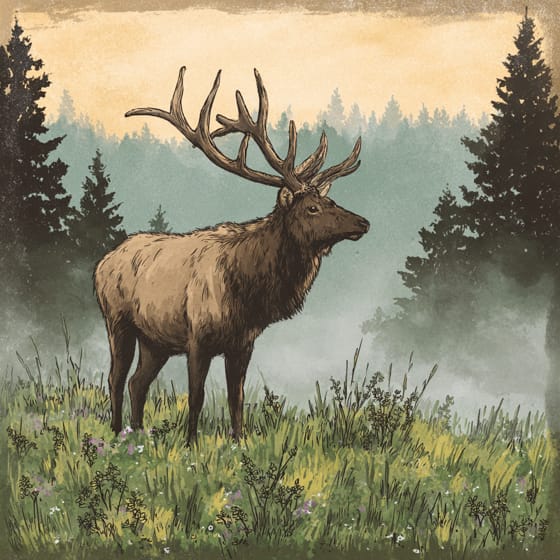
Cervus canadensis
Browses occasionally on leaves
Furry describes animals possessing a dense covering of soft hair or fur.
Flowering plants are any plants that produce flowers as part of their reproductive cycle.
Spring blooming plants produce their flowers during the spring season, often signifying the end of winter and the start of new growth.
Describes plants that are particularly attractive and beneficial to a wide range of pollinating organisms.

This habitat trait identifies species found in mountainous regions, characterized by high elevation, steep slopes, and varying climate zones.

Endangered status indicates a species is at a very high risk of extinction in the wild in the near future.
No aliases listed yet.
Danger
1/5 · Very low
Always look but don't pick flowers, as they help nature and the animals around them.
The easiest way to identify Sickletop Lousewort is to use the Snappit nature identifier app.
15-60 cm
10-30 cm
1-2 cm
Summer to early fall
No
Mild
Perennial
Zoom in to split clusters and explore where this object has been snapped.
Take the discovery with you
Snap it with Snappit to identify it, learn what makes it special, and add the discovery to your collection.









.jpg&width=800)



_001.jpg&width=800)




