_Figure_1_e.jpeg&width=800)





Sloe Bug
Dolycoris baccarum
The Sloe Bug is a small, colorful insect that loves to munch on plants. It has a special shield shape and can be found in gardens and fields, making it a fun little friend to spot!
Habitat: Urban areas
The Sloe Bug is a true bug with a distinctive shield-shaped body, typically purplish-brown to reddish-brown, sometimes with green or yellowish tints, especially on the sides. Its antennae are striped with alternating black and white bands, which distinguishes it from many other uniformly colored shield bugs.
Category
InsectsRarity
Common
Danger
1/5 · Very low
Snaps
Be the first to snap!
Sloe Bug eggs are laid in neat clusters, often stuck firmly to the underside of leaves!
Some people call them 'Hairy Shield Bugs' because of tiny hairs on their bodies!
Their babies, called nymphs, have vibrant patterns and colors that shift with each growth stage!
You might spot them sunbathing on leaves to warm up their bodies on cooler days!
Sloe Bug has a tough, shield-shaped exoskeleton that helps them protect their soft body from predators and impacts.
Sloe Bug can pierce plants and fruits with a straw-like mouthpart to drink tasty sap and juices for nourishment.
Sloe Bug can release a smelly liquid when threatened, which helps them deter hungry birds and other attackers.
Sloe Bug can survive cold winters by finding sheltered spots to hibernate as an adult, waiting for spring.
The Sloe Bug sips plant sap and juices from a variety of leaves, fruits, and berries.
Age differences: Nymphs feed on plant sap and juices, similar to adults, but prefer softer plant tissues.

Prunus spinosa
Feeds on sap and fruits.
Rubus fruticosus
Sips juices from berries and leaves.
Urtica dioica
Feeds on plant sap.
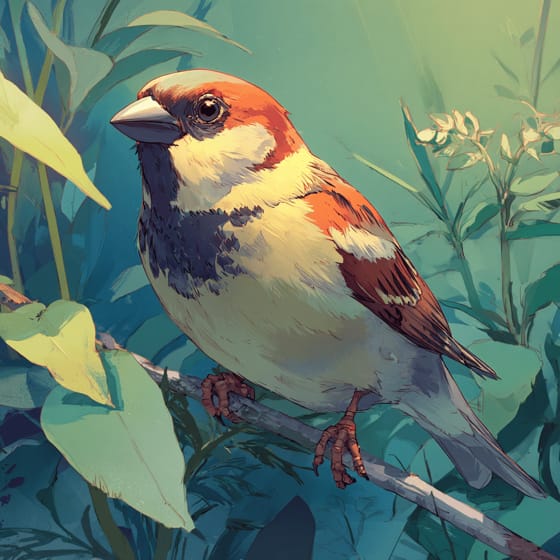
Passer domesticus
Small birds often prey on them.
Solitary animals live alone for most of their lives, only interacting with others for mating or parental care.
Colorful describes organisms or objects displaying a wide range of bright and distinct colors.
This trait characterizes organisms whose diet consists entirely or primarily of plant material.
Describes plants that are particularly attractive and beneficial to a wide range of pollinating organisms.

Diurnal animals are primarily active during daylight hours, typically resting or sleeping at night.

Pertaining to species that are significantly smaller than typical or average for their kind.

This habitat trait indicates species that can coexist with humans in urban and suburban environments, utilizing man-made structures and green spaces.

Describes organisms that transfer pollen, enabling the fertilization and reproduction of plants.
Danger
1/5 · Very low
Sloe Bugs are safe to observe, but be gentle if you touch them.
The easiest way to identify Sloe Bug is to use the Snappit nature identifier app.
20-24 mm
10-12 mm
270-365 days
The Sloe Bug sips plant sap and juices from a variety of leaves, fruits, and berries.
Urban areas
Foraging
6
Zoom in to split clusters and explore where this object has been snapped.
Recent snaps will appear here as new observations are added.
Take the discovery with you
Snap it with Snappit to identify it, learn what makes it special, and add the discovery to your collection.







.jpg&width=800)



