





American Dagger
Acronicta americana
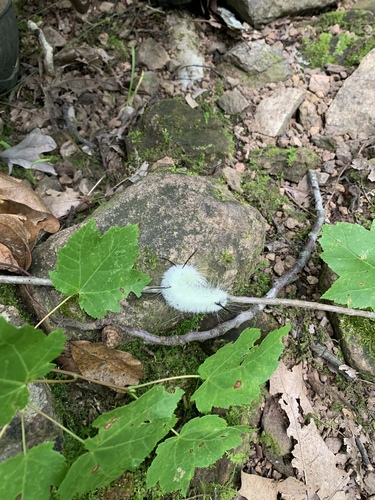
The American Dagger is a fuzzy caterpillar that can be found munching on leaves. It has a unique look with long, soft hairs that can tickle your fingers if you touch it!
Habitat: Forests
The American Dagger caterpillar is bright yellow or greenish-yellow, densely covered in long, soft yellow hairs with distinctive tufts of black bristles along its back. The adult moth has pale gray wings marked with irregular dark lines and a black, dagger-shaped spot near its center.
Category
InsectsRarity
Common
Danger
2/5 · Low
Snaps
7
Adult American Dagger moths are nocturnal, meaning they are active flyers only at night.
The caterpillar's "dagger" namesake comes from black hair tufts on its back, not the moth's wing mark!
Their favorite snack as caterpillars includes leaves from oak, maple, elm, and willow trees.
Young caterpillars often feed together, but as they grow, they prefer to be alone.
American Dagger caterpillars have irritating black hair tufts that can cause skin rashes, helping them deter predators.
Adult moths have mottled gray wings that perfectly mimic tree bark, helping them hide from sharp-eyed birds.
The American Dagger undergoes complete metamorphosis, transforming from a hairy caterpillar into a winged moth.
Caterpillars munch on tree leaves; adult moths sip nectar or tree sap for energy.
Age differences: Caterpillars are voracious leaf-eaters, while adult moths primarily drink nectar or tree sap for energy.
Furry describes animals possessing a dense covering of soft hair or fur.
Solitary animals live alone for most of their lives, only interacting with others for mating or parental care.
This trait characterizes organisms whose diet consists entirely or primarily of plant material.
Describes plants that are particularly attractive and beneficial to a wide range of pollinating organisms.

Forest habitats are terrestrial environments dominated by dense tree cover, supporting a high diversity of plant and animal life.

Diurnal animals are primarily active during daylight hours, typically resting or sleeping at night.
Danger
2/5 · Low
Don't touch the caterpillar without asking an adult, as its hairs can cause a little itch.
The easiest way to identify American Dagger is to use the Snappit nature identifier app.
40-60 mm
20-25 mm
7-14 days
15 km/h
Caterpillars munch on tree leaves; adult moths sip nectar or tree sap for energy.
Forests
Foraging
Zoom in to split clusters and explore where this object has been snapped.
Aug 7, 2020
Buford Mountain Conservation AreaPhoto attribution
(c) Reed Nelson, some rights reserved (CC BY)
License: CC BY 4.0 ↗
Image may be shown cropped inside the card frame.

Missouri, US
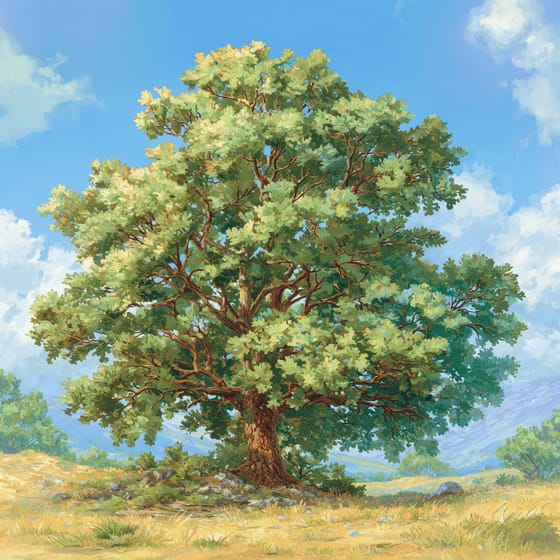
You might spot Blackjack Oak, Bird's Foot Violet, and Starry Campion.
View guide →

Kansas, US
You might spot Panthera Pardus Orientalis, Snow Leopard, and African Lion.
View guide →

West Virginia, US
You might spot Wide Leek, Eastern Newt, and Golden Ragwort.
View guide →

Maryland, US
You might spot Eastern Tiger Swallowtail and White-Tailed Deer.
View guide →

Indiana, US
You might spot Shield Lichens, Sunburst Lichens, Rosette Lichens, and Allies.
View guide →

Connecticut, US
You might spot Ghost Pipe, American Wintergreen, and Mountain Laurel.
View guide →
Take the discovery with you
Snap it with Snappit to identify it, learn what makes it special, and add the discovery to your collection.







.jpg&width=800)



