





Slowworms
Anguis
Slowworms are special reptiles that look like snakes but are actually lizards! They have smooth, shiny skin and love to hide under rocks and leaves in gardens and grasslands.
Habitat: Grasslands
The Slowworm is a legless lizard with a long, cylindrical body and a small head. It has smooth, glossy scales and often appears metallic brown, grey, or bronze, sometimes with a dark stripe along its back or flanks. Unlike snakes, it possesses eyelids and visible ear openings.
Category
ReptilesRarity
Common
Danger
1/5 · Very low
Snaps
Be the first to snap!
Did you know the Slowworm is actually a lizard, not a snake, even though it has no legs?
Instead of laying eggs, baby Slowworms hatch inside their mother and are born alive!
Slowworms can live longer than many pets, with some reaching over 50 years old in zoos!
They use their long, forked tongues to "smell" their surroundings and find tasty snacks!
Slowworms can shed their tail when threatened because it wriggles, distracting predators while they escape.
Slowworms have eyelids, allowing them to blink and close their eyes, unlike most snakes.
Slowworms give birth to live, fully formed young because the eggs develop inside the mother, providing protection.
Slowworms are hungry helpers who love to munch on slugs, snails, and insects!
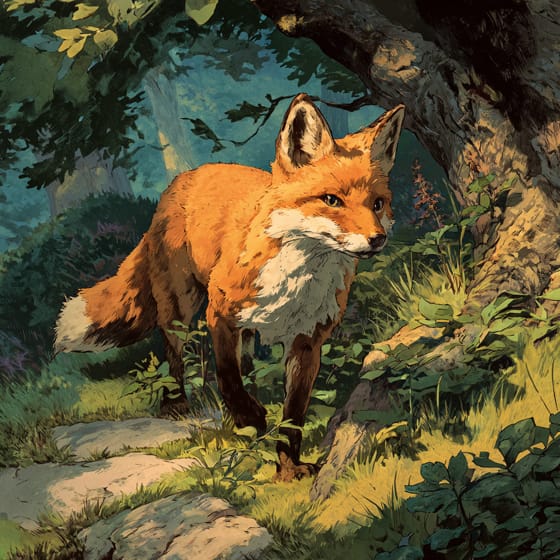
Vulpes vulpes
A common predator that hunts Slowworms.
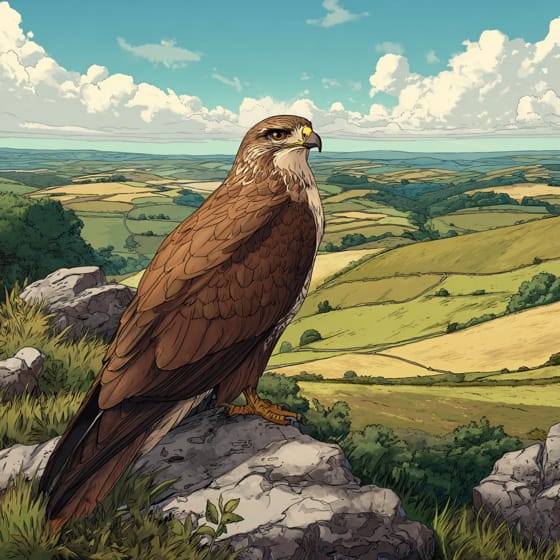
Buteo buteo
Birds of prey sometimes snatch Slowworms.

Arion ater
Slowworms are excellent hunters of garden slugs.
Lumbricus terrestris
Earthworms are a favourite snack for Slowworms.
Solitary animals live alone for most of their lives, only interacting with others for mating or parental care.
Grassland habitats are terrestrial biomes dominated by grasses and herbaceous plants, supporting a variety of grazing animals.
This trait identifies organisms whose diet primarily consists of insects and other small invertebrates.
Describes organisms that break down dead organic material, recycling nutrients back into the ecosystem.

This trait characterizes organisms with an exceptionally long lifespan compared to others of their kind.

Diurnal animals are primarily active during daylight hours, typically resting or sleeping at night.
Danger
1/5 · Very low
If you see a slowworm, just watch it from a distance and don't try to touch it.
The easiest way to identify Slowworms is to use the Snappit nature identifier app.
30-50 cm
0.02-0.15 kg
10-30 years
0.8 km/h
Slowworms are hungry helpers who love to munch on slugs, snails, and insects!
Grasslands
Foraging
Zoom in to split clusters and explore where this object has been snapped.
Recent snaps will appear here as new observations are added.
Take the discovery with you
Snap it with Snappit to identify it, learn what makes it special, and add the discovery to your collection.














