





Small-Leaved Blinks
montia parvifolia
Small-Leaved Blinks are delightful little plants with tiny, green leaves that are perfect for young explorers to discover! They love growing in shady spots and can often be found near streams and moist areas.
Habitat: Moist, shady areas such as forests and near streams.
The Small-Leaved Blinks is a low-growing plant featuring numerous tiny, bright green, oval-shaped leaves that often form dense, succulent mats. Its delicate white or pale pink flowers, each with five petals, cluster at the stem tips, creating a dainty, 'blinking' appearance distinct from similar groundcovers.
Category
PlantsRarity
Common
Danger
0/5 · No known danger
Snaps
2
Despite its size, its flowers often have a faint, sweet smell that attracts tiny pollinators!
Indigenous peoples have historically eaten its fresh leaves as a healthy spring tonic!
Its tiny seeds can stay hidden in the soil for years, waiting for the perfect conditions!
Some people call it 'Miner's Lettuce' because it was eaten by gold miners for vitamins!
Small-Leaved Blinks can quickly spread its slender stems and root at nodes, forming a dense green carpet that helps it outcompete other small plants.
Small-Leaved Blinks has edible leaves packed with vitamins, allowing it to become a vital, early spring food source for animals and humans.
Small-Leaved Blinks has small, somewhat succulent leaves that help it store water and thrive in damp, shady spots where many plants struggle.
Apis mellifera
visits flowers for nectar
Bombus impatiens
helps spread pollen between plants

Odocoileus virginianus
deer browse on its leaves
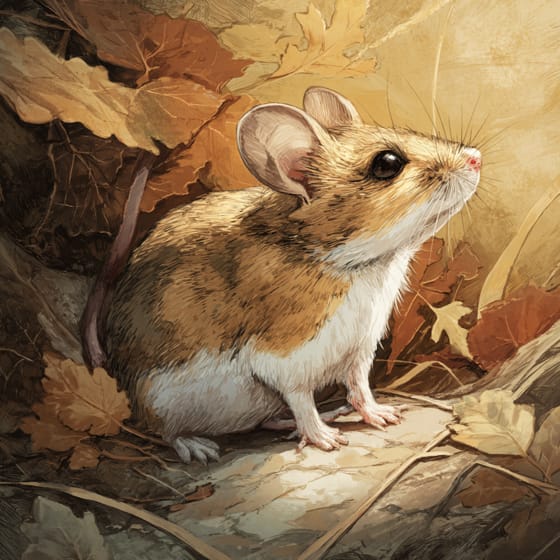
Peromyscus maniculatus
feeds on its small seeds
Solitary animals live alone for most of their lives, only interacting with others for mating or parental care.
Colorful describes organisms or objects displaying a wide range of bright and distinct colors.
This trait characterizes organisms whose diet consists entirely or primarily of plant material.
Describes organisms that break down dead organic material, recycling nutrients back into the ecosystem.

Forest habitats are terrestrial environments dominated by dense tree cover, supporting a high diversity of plant and animal life.
Danger
0/5 · No known danger
No special safety notes yet.
The easiest way to identify Small-Leaved Blinks is to use the Snappit nature identifier app.
5-20 cm
10-30 cm
0.2-0.5 cm
Spring_summer
Yes
None
Annual
Zoom in to split clusters and explore where this object has been snapped.

California, US
You might spot Broad-Leaved Stonecrop and Pacific Bleeding Heart.
View guide →

Oregon, US
You might spot Great White Shark, Blue Spotted Stingray, and Octopus.
View guide →
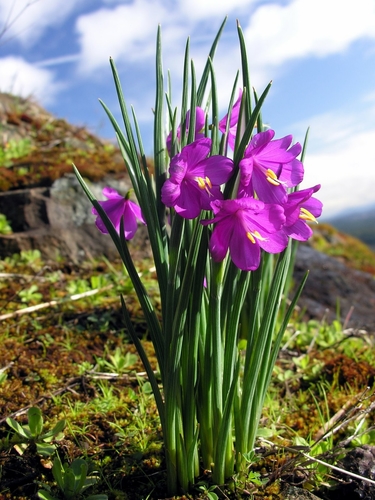
British Columbia, CA
You might spot Grasswidow and Broad-Leaved Stonecrop.
View guide →
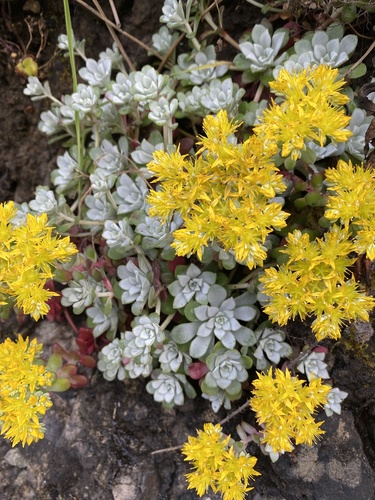
British Columbia, CA
You might spot Broad-Leaved Stonecrop and Western Sword Fern.
View guide →
Take the discovery with you
Snap it with Snappit to identify it, learn what makes it special, and add the discovery to your collection.








.jpg&width=800)



_001.jpg&width=800)




