





Dark Eyed Junco
## Mount Wells Regional Park: A Rugged Gem with Panoramic Vistas
## Mount Wells Regional Park: A Rugged Gem with Panoramic Vistas
Nestled on Vancouver Island, just a short drive from Victoria, Mount Wells Regional Park is a 123-hectare wilderness haven beckoning adventurers with its rugged beauty and breathtaking vistas. This remote park, a vital component of the larger Sea to Sea Green Blue Belt, protects a significant area of second-growth forest and delicate mossy rock outcrops. It offers a rewarding challenge for hikers seeking to conquer its 352-meter summit, providing an unparalleled escape into nature.
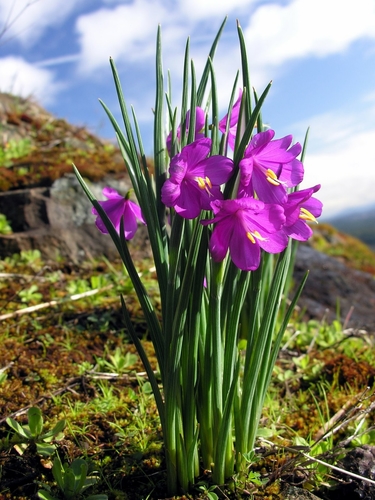
The park's challenging trails wind through diverse habitats, from towering Douglas-fir forests to sensitive Garry oak ecosystems, culminating in open, rocky hilltops adorned with iconic Pacific madrone (arbutus trees) and hairy manzanita. In spring, the landscape transforms into a vibrant canvas carpeted with native wildflowers such as camas, Henderson's shooting star, and satinflower, and is home to the endangered Prairie lupine. Mount Wells is also an important wildlife refuge, where visitors might glimpse black-tailed deer, American Red Squirrels, and Northern Alligator Lizards basking on sun-warmed rocks. Keep an eye skyward for Turkey Vultures soaring overhead or listen for the distinctive drumming of a Ruffed Grouse.
Mount Wells Regional Park promises a memorable outdoor experience for those in search of both solitude and spectacular scenery. The strenuous climb is amply rewarded with panoramic views stretching across the Juan de Fuca Strait, the bustling city of Victoria, the rolling Sooke Hills, and even Mount Baker in the distance on a clear day. It’s a place where the feeling of wildness and remoteness can be savored, making it a compelling destination for anyone eager to connect with British Columbia's natural grandeur and experience a challenging, yet achievable, adventure. Take the ultimate field guide with you: use the Snappit app to identify birds, plants, and animals on your trip.
Mount Wells Regional Park was established in 1994 as part of the Capital Regional Parks system. Historically, the Humpback Reservoir, located at the base of Mount Wells, played a significant role as part of Victoria's drinking water supply, having been constructed in 1913. Although it was removed from the water supply system in 1995 due to contamination, sections of the old flow line can still be observed along the hiking trail, offering a glimpse into the region's past infrastructure. The park serves as a crucial natural buffer, helping to protect the water quality in the adjacent Greater Victoria Water Supply Area. Alongside the Sooke Hills Wilderness Regional Park Reserve, it forms a vital protected corridor known as the Sea to Sea Green Blue Belt, safeguarding significant ecological diversity and providing a vast wildlife refuge on southern Vancouver Island.
Hike to the summit, enjoy birdwatching (Turkey Vultures, Ruffed Grouse), look for local wildlife (black-tailed deer, American Red Squirrels, Northern Alligator Lizards), photograph wildflowers (in spring), and explore rock climbing routes.
Spring: Abundant wildflowers.
Wet weather: Trails can become very slippery, especially on smooth rock sections, increasing the challenge and requiring extra caution.
Year-round: Be aware of wildlife presence, including Black Bears.
The park features an information kiosk, a parking lot, and public toilets. However, the main trail is steep, rugged, and challenging with exposed roots and loose rocks, featuring some near-vertical sections assisted by chains. It is not considered wheelchair accessible and is best suited for physically fit hikers.
The spectacular panoramic views from the 352-meter summit.
The diverse spring wildflower displays in the Garry oak ecosystems.
The rugged and challenging ascent through Douglas-fir forests and rocky outcrops.
Opportunities for novice to intermediate rock climbing.
Each card links to a full Explore page with photos, traits, and fun facts.
Start with the big picture, then zoom in to explore individual wildlife observations around this place.
Wear appropriate footwear
Sturdy hiking boots with good grip are essential, as the trail is rugged, steep, and can be very slick on rocky sections, especially after rain.
Stay on designated trails
To protect the park's fragile ecosystems, particularly delicate wildflowers and mosses, it's crucial to remain on marked paths.
Pack essentials
Bring plenty of water, snacks, and layers of clothing, as weather conditions can change, and the hike is strenuous.
Practice Leave No Trace principles
Carry out all garbage, and ensure pets are kept on a leash and their waste is picked up to preserve the park's natural state.
Be wildlife aware
While wildlife encounters are special, maintain a respectful distance. Make noise while hiking to avoid surprising American Black Bears, which are present in the area.
Plan your visit
The park has a parking lot at the trailhead on Humpback Road. It's advisable to check local conditions before heading out and inform someone of your hiking plans.
Jan 10, 2026
Jan 3, 2026
Oct 31, 2025
Sep 27, 2025
Sep 25, 2025

Maryland, US
You might spot White-Tailed Deer and Eastern Gray Squirrel.
View guide →
.jpg)
District of Columbia, US
You might spot Eastern Gray Squirrel, Duck, and House Sparrow.
View guide →

Illinois, US
You might spot American Robin, Canada Goose, and House Sparrow.
View guide →

Virginia, US
You might spot Spotted Lanternfly and Northern Cardinal.
View guide →
Take the discovery with you
Identify the wildlife you spot, learn as you go, and keep a collection of the adventure.














