




White Tailed Deer
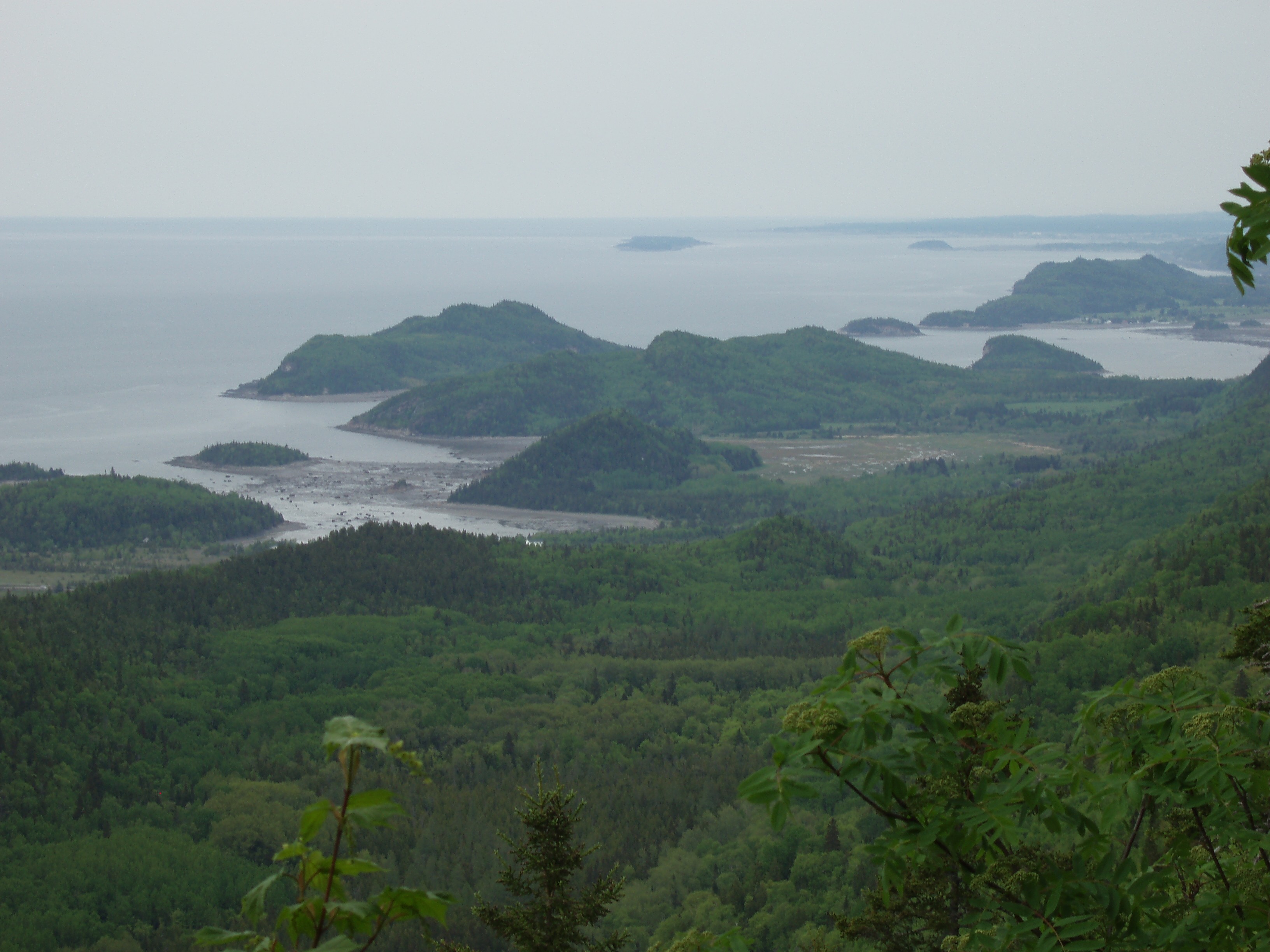
Nestled along the St. Lawrence Estuary, Parc national du Bic is a breathtaking tapestry of rugged capes, serene bays, secluded coves, and picturesque islands. This protected area in southeastern Quebec offers a unique blend of marine and terrestrial landscapes, renowned for its dramatic coastal scenery and vibrant wildlife. It's a place where the sounds and smells of the sea mingle with forest trails, providing a peaceful retreat for nature lovers and a spectacular canvas for photographers, especially at sunset, which is often hailed as one of the world's finest.
The park is a haven for diverse ecosystems, supporting a rich variety of flora and fauna. Visitors can often spot the park's iconic Harbor Seals and Grey Seals basking on sun-warmed rocks along the shore, particularly at observation points like Pointe-aux-Épinettes and Anse aux Bouleaux. The skies above are graced by numerous bird species, including the Common Eider, and in spring, it becomes a crucial migratory passage for thousands of birds of prey like bald eagles, merlins, and peregrine falcons, visible from the Raoul-Roy belvedere. The varied habitats, from salt marshes to rocky capes, also nurture unique plant life such as the rugosa rose, sea plantain, oysterplant, and seaside pea.
Parc national du Bic promises an unforgettable experience, whether you're embarking on a challenging hike up Pic Champlain for panoramic views, cycling along its extensive trails, or kayaking the tranquil waters of the St. Lawrence. Its intimate connection to the sea, coupled with opportunities for wildlife observation and a range of outdoor activities across all seasons, makes it a truly special destination. The park's commitment to preserving its natural and cultural heritage ensures that every visit is not just an adventure, but also an opportunity to connect deeply with Québec's stunning natural environment. Explore the grounds like a pro—download the Snappit app to instantly identify animals and plants.
The area now known as Parc national du Bic has a rich history of human presence, dating back over 9,000 years, with Indigenous peoples using the territory as summer hunting and fishing grounds. Later, it became a strategic location for St. Lawrence pilots and a site for small farming communities who hunted marine mammals, fished for eels, and harvested wood. By the 1930s, the region gained popularity as a vacation destination for affluent Americans and Canadians. Parc national du Bic was officially established in October 1984, with plans for its creation dating back to the 1970s, to preserve a representative example of the St. Lawrence Estuary's south shore. In 1999, the park's management was transferred to Sépaq (Société des établissements de plein air du Québec), which continues to administer the provincially protected area today.
Cross-country skiing, backcountry skiing, snowshoeing (rentals available), and fatbiking.
Summer: Most activities are fully operational. Guided wildlife activities and interpretive programs are often available.
Fall: Beautiful autumn foliage. Seal watching remains good until early fall.
Winter: Designated trails for skiing, snowshoeing, and fatbiking. Warming huts are available. Accommodations like yurts and cabins are accessible.
Spring: Peak time for bird of prey migration.
Partial accessibility for mobility-impaired visitors.
Washroom facilities at Pointe aux Épinettes are accessible.
Certain sections of trails are accessible with a little help, including the big-wheel stroller accessible Le Chemin-du-Nord trail.
The Ferme-Rioux Discovery and Visitors Centre is accessible.
Ski-Vel offers a wheelchair-accessible way to enjoy winter hiking trails.
Best spots are Pointe-aux-Épinettes and Anse aux Bouleaux, especially around half to high tide or low tide respectively. Park rangers are often available with telescopes and binoculars.
The highest point in the park, offering panoramic views of the St. Lawrence Estuary.
Trails like Le Tour Cap-à-l'Orignal Circuit and Le Grand Tour Circuit provide stunning coastal views.
A prime location for bird of prey observation during spring migration.
Each card links to a full Explore page with photos, traits, and fun facts.
Start with the big picture, then zoom in to explore individual wildlife observations around this place.
Check Tide Times for Seal Watching
For the best seal viewing opportunities, inquire about tide times at the Visitors Centre, as optimal locations (Pointe-aux-Épinettes or Anse aux Bouleaux) depend on whether the tide is high or low.
Bring Binoculars
Enhance your wildlife observation experience, especially for seals and the numerous bird species, including the Common Eider and birds of prey.
Dress in Layers
Coastal weather can change rapidly; layering your clothing will ensure comfort throughout the day.
Explore Pic Champlain
Don't miss the hike to Pic Champlain for some of the most spectacular panoramic views of the park and the St. Lawrence Estuary.
Consider a Guided Sea Kayak Tour
For a unique perspective of the coastline and marine life, a guided sea kayaking excursion is highly recommended.
Visit in Spring for Bird Migration
If you're a birdwatching enthusiast, plan your visit in April or early May to witness the impressive migration of birds of prey from the Raoul-Roy belvedere.
Feb 10, 2026
Nov 12, 2025
Nov 4, 2025
Nov 4, 2025
Oct 16, 2025

Maryland, US
You might spot White-Tailed Deer and Eastern Gray Squirrel.
View guide →
.jpg)
District of Columbia, US
You might spot Eastern Gray Squirrel, Duck, and House Sparrow.
View guide →

Illinois, US
You might spot American Robin, Canada Goose, and House Sparrow.
View guide →

Virginia, US
You might spot Spotted Lanternfly and Northern Cardinal.
View guide →
Take the discovery with you
Identify the wildlife you spot, learn as you go, and keep a collection of the adventure.