Banana Slug
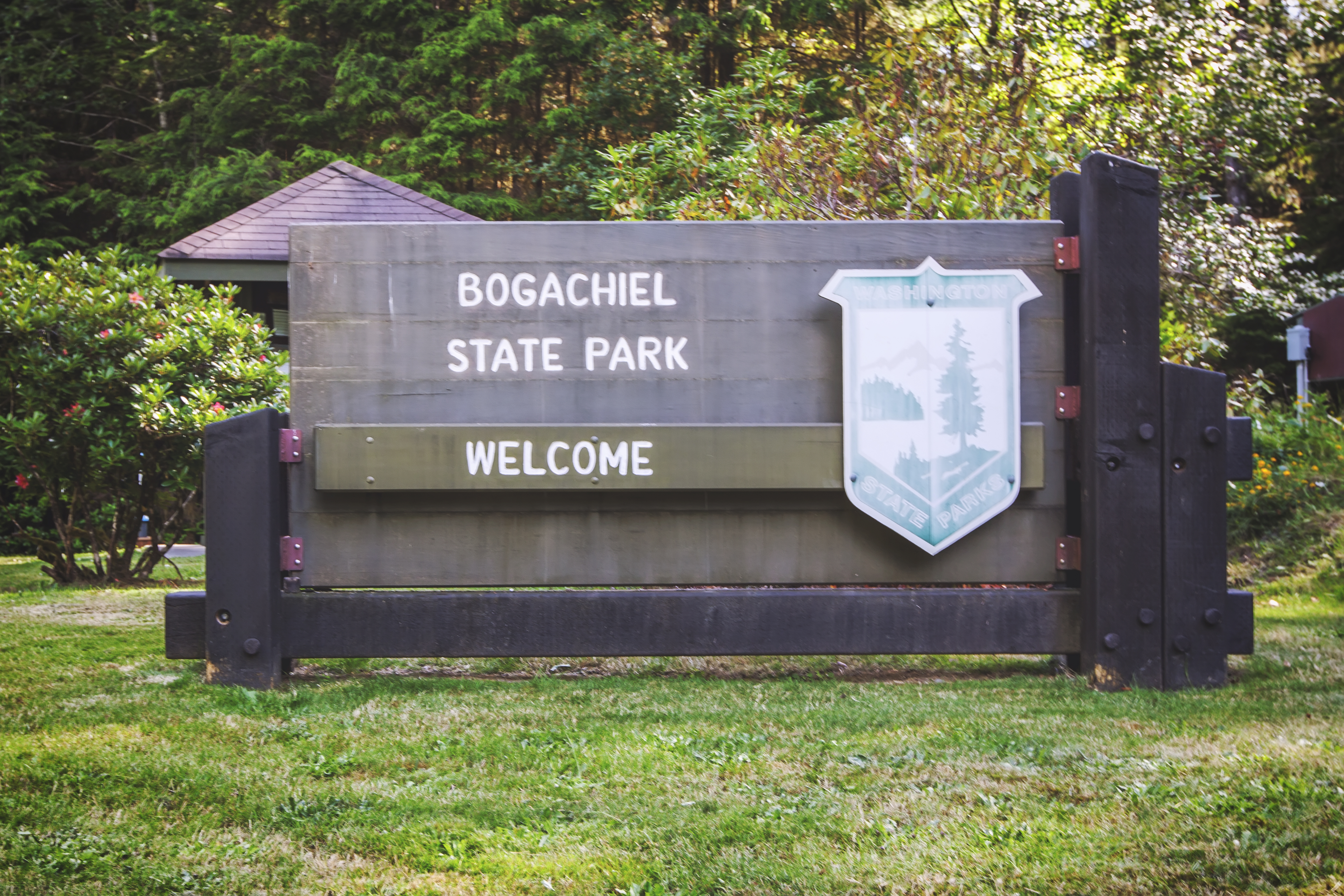
Nestled along the banks of the Bogachiel River on the lush Olympic Peninsula, Bogachiel State Park offers a tranquil retreat and an ideal base camp for exploring the surrounding wonders of Western Washington.
Nestled along the banks of the Bogachiel River on the lush Olympic Peninsula, Bogachiel State Park offers a tranquil retreat and an ideal base camp for exploring the surrounding wonders of Western Washington. This 123-acre park, situated on traditional Quileute lands, is a verdant gem where the term "bogachiel" (meaning "muddy water" in the Quileute language) reflects centuries of indigenous connection to this steelhead-rich river. Visitors are immediately enveloped by the towering rainforest, a preview of the magnificent Olympic National Park, making it a perfect starting point for an unforgettable adventure.
The park boasts a rich tapestry of Pacific Northwest flora and fauna. Wander through thickly forested campgrounds shaded by impressive Sitka spruce and other ancient giants. The interpretive ethnobotany trail provides fascinating insights into how native plants like Salmonberry, Red Huckleberry, thimbleberry, red-berried elder, and western skunk cabbage were traditionally used by the Quileute people. Keep an eye out for wildlife such as Mule Deer, Snowshoe Hare, and American Robin, and listen for the distinctive calls of Pacific chorus frogs, especially after the abundant rainfall that nourishes this temperate rainforest.
Bogachiel State Park promises an authentic rainforest camping experience, allowing visitors to immerse themselves in nature's symphony, where the gentle murmur of the Bogachiel River blends with morning birdsong. Its strategic location places you within a short drive of iconic destinations like the Hoh Rainforest, Rialto Beach, and Ruby Beach, making it an unparalleled gateway to the Olympic Peninsula's diverse ecosystems. Whether you're seeking a peaceful camping spot or a convenient launchpad for wider exploration, this park offers a memorable connection to both natural beauty and profound cultural heritage. Unlock an interactive field guide for this spot: get the Snappit app to identify nature on the go.
Bogachiel State Park was established in 1931. Due to limited state funding at the time, its initial management and development were a collaborative effort between State Parks, the Bogachiel Commercial Club, and the Forks Chamber of Commerce, demonstrating a strong community spirit to ensure public access to this pristine river setting. State Parks eventually began staffing the park in 1961. The land itself has a much deeper history, rooted in the traditional territory of the Indigenous Quileute and Hoh tribes. The name "Bogachiel" itself comes from a Quileute word meaning "muddy water," reflecting the river's character. The area's natural resources, particularly the Bogachiel River, have been vital to these tribes for centuries, who maintained rights to harvest them under the Treaty of Olympia in 1856. The park's current protection was further solidified in 1992 when the timber on the lands, initially excluded, was finally deeded to the Washington State Parks and Recreation Commission.
Camping: Stay in one of the 35 available campsites, including standard, partial hookup, and group sites.
Hiking: Explore short trails within the park, including a segment of the Pacific Northwest National Scenic Trail, or venture onto the Bogachiel Rain Forest Trail #825 which leads into Olympic National Park.
Fishing: The Bogachiel River is renowned for steelhead trout.
Wildlife Viewing: Keep an eye out for diverse bird species like American Robin, Common Merganser, Western Wood-Pewee, and potentially elk, Mule Deer, and Snowshoe Hare.
Picnicking: Utilize day-use picnic tables or the kitchen shelter for a meal outdoors.
Weather: Expect significant rainfall, especially in fall and winter, contributing to the lush rainforest environment (140-160 inches annually). Always bring waterproof gear.
Animal activity: Steelhead return to the Bogachiel River to spawn from November, with peak fishing in January and February. Elk are often present; remember to keep a safe distance.
The park offers ADA-accessible parking and facilities, including restrooms with hot showers. There is also an ADA-accessible campsite. Some trails may be considered "rolling" or "running" friendly.
Offers opportunities for wading, tubing (midsummer), and steelhead fishing.
An interpretive trail detailing Quileute uses of native plants like Salmonberry, Red Huckleberry, and western skunk cabbage.
Lush vegetation, towering Sitka spruce, and abundant mosses characteristic of the Olympic Peninsula's temperate rainforest.
Proximity to Hoh Rainforest, Rialto Beach, Ruby Beach (30-45 minutes), Lake Crescent (under 2 hours).
Each card links to a full Explore page with photos, traits, and fun facts.
Start with the big picture, then zoom in to explore individual wildlife observations around this place.
Book Campsites in Advance
Especially during summer months, this popular park fills quickly due to its prime location, so reservations are highly recommended.
Bring Rain Gear
The Olympic Peninsula, particularly this rainforest region, receives significant rainfall (over 120 inches annually), so waterproof clothing is essential regardless of the season.
Obtain a Discover Pass
A Discover Pass is required for vehicle entry. Purchase it beforehand to avoid delays.
Be Prepared for Highway Noise
The park is located near Highway 101, so expect some ambient truck noise, especially if tent camping in lower-numbered sites. Sites closer to the river may benefit from the masking sound of the water.
Explore the Ethnobotany Trail
This short, interpretive walk offers fascinating insights into the traditional uses of native plants by the Quileute people.
Respect Wildlife
Keep a safe distance from animals like elk and deer, and never feed them.
Jul 5, 2024
Jun 1, 2024
May 17, 2024
Apr 5, 2024
Mar 16, 2024

Maryland, US
You might spot White-Tailed Deer and Eastern Gray Squirrel.
View guide →
.jpg)
District of Columbia, US
You might spot Eastern Gray Squirrel, Duck, and House Sparrow.
View guide →

Illinois, US
You might spot American Robin, Canada Goose, and House Sparrow.
View guide →

Virginia, US
You might spot Spotted Lanternfly and Northern Cardinal.
View guide →
Take the discovery with you
Identify the wildlife you spot, learn as you go, and keep a collection of the adventure.