





soft thistle
Cirsium carolinianum
The soft thistle is a pretty flower with fluffy purple blooms. It grows in fields and meadows, attracting butterflies and bees that love its nectar.
Habitat: Grasslands
The soft thistle has pale purple to pinkish flower heads that are round and spiny, atop tall, ridged stems. Its leaves are deeply lobed and toothy, with soft, non-stinging prickles, distinguishing it from truly prickly thistles.
Category
PlantsRarity
Common
Danger
2/5 · Low
Snaps
Be the first to snap!
Ancient Greeks used thistles for medicine, believing they could cure swollen veins!
Some moth and butterfly caterpillars are tough enough to munch on thistle leaves safely.
Thistles are incredibly tough plants, able to grow in disturbed soil where few others can!
Tiny thistle seeds are a favorite snack for many birds, especially American Goldfinches!
Soft thistle can produce fluffy seed parachutes that help its seeds float far away on the wind to find new places to grow.
Soft thistle has spiny leaves and flower heads that deter hungry animals from eating its precious parts, helping it survive.
Soft thistle can grow long taproots that reach deep into the soil to find water and nutrients, helping it thrive in dry areas.
Apis mellifera
Collects nectar and pollen.
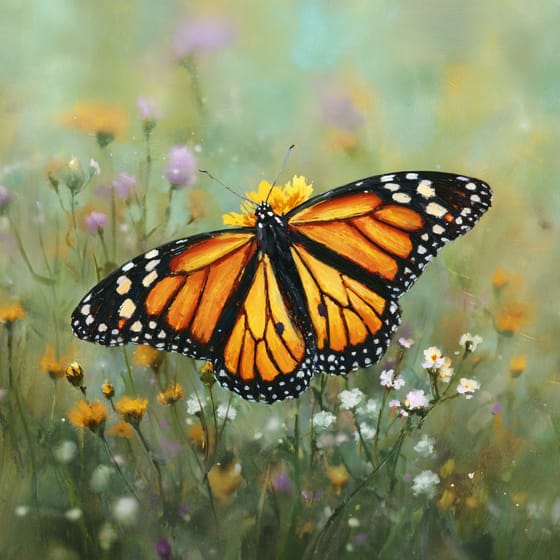
Danaus plexippus
Visits flowers for nectar.
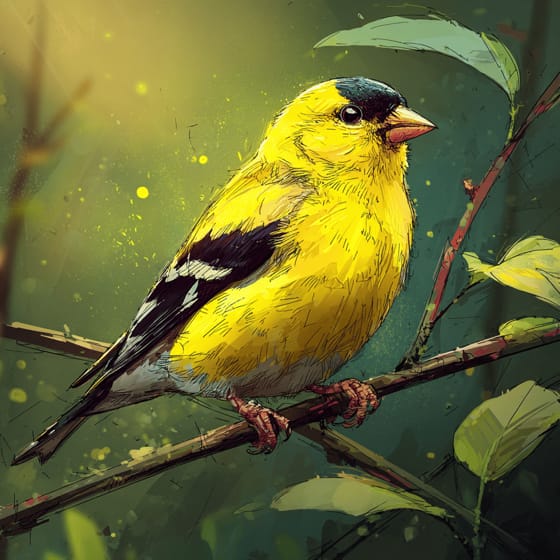
Spinus tristis
Feeds on ripe thistle seeds.
Vanessa cardui
Larvae feed on thistle leaves.
Flowering plants are any plants that produce flowers as part of their reproductive cycle.
Biennial plants complete their life cycle over two growing seasons, typically forming foliage in the first year and flowering/seeding in the second.
Summer blooming plants produce their flowers during the summer season, often providing vibrant color when many other plants have finished.
Fragrant flowers emit a pleasant aroma, often to attract pollinators or for defense.

Grassland habitats are terrestrial biomes dominated by grasses and herbaceous plants, supporting a variety of grazing animals.

Describes plants that are particularly attractive and beneficial to a wide range of pollinating organisms.
No aliases listed yet.
Danger
2/5 · Low
Be careful not to touch the prickly parts of the thistle, as they can be sharp.
The easiest way to identify soft thistle is to use the Snappit nature identifier app.
60-200 cm
30-60 cm
2-4 cm
Summer
No
None
Biennial
Zoom in to split clusters and explore where this object has been snapped.
Recent snaps will appear here as new observations are added.
Take the discovery with you
Snap it with Snappit to identify it, learn what makes it special, and add the discovery to your collection.








.jpg&width=800)


_001.jpg&width=800)




