





Swamp Bay
Persea palustris
The Swamp Bay is a special tree that loves wet places! It has shiny green leaves and can grow tall, providing shade for animals and people alike.
Habitat: Wetlands
The Swamp Bay is an evergreen tree with a sometimes irregular, open canopy. It has shiny, dark green leaves that are often thicker than other bay trees. Its small, greenish-yellow flowers develop into striking dark blue berries.
Category
PlantsRarity
Common
Danger
1/5 · Very low
Snaps
Be the first to snap!
Birds love its dark blue berries; they are a vital food source.
It's related to the plant that gives us delicious avocados!
Its leaves release a spicy scent when crushed!
The wood of the Swamp Bay is strong and resistant to decay.
Swamp Bay has roots that can handle standing water, helping it thrive where most trees would drown.
Swamp Bay produces nutrient-rich dark blue berries, providing essential food for many swamp birds.
Swamp Bay has thick bark that helps protect it from common swamp fires, allowing it to survive and regrow.
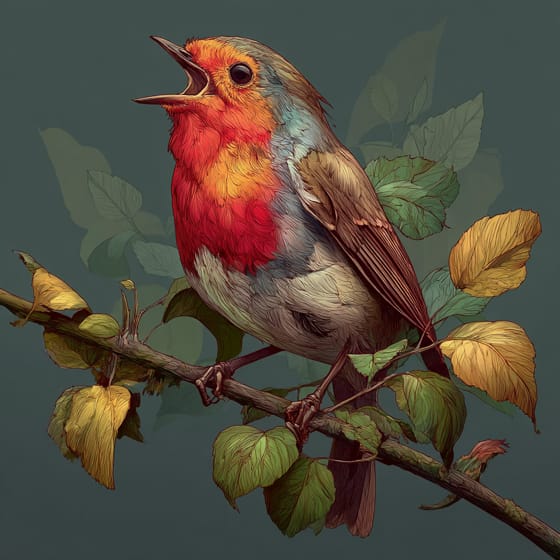
Turdus migratorius
Feeds on its nutrient-rich dark blue berries.

Papilio troilus
Its caterpillars use the leaves as a food source.
Apis mellifera
Visits its small flowers to collect nectar and pollen.
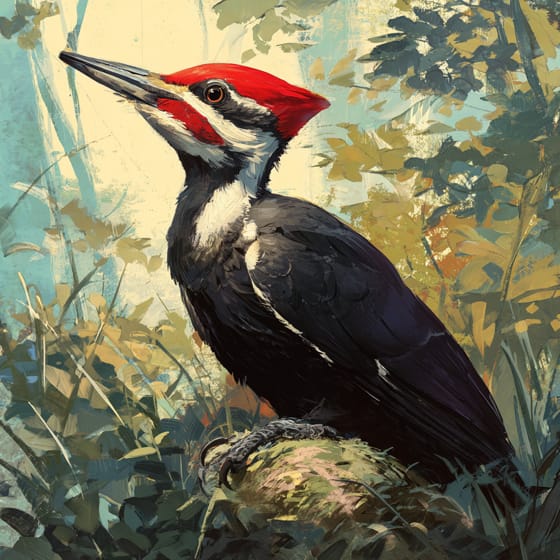
Dryocopus pileatus
Nests in cavities of older, larger Swamp Bay trees.
Shade tolerant plants are adapted to grow and thrive in areas with low light levels, requiring less direct sunlight.
Broadleaf trees are angiosperms characterized by flat, wide leaves that are typically shed annually in temperate climates.
Evergreen plants retain their foliage throughout the year, never shedding all their leaves at once.
Describes plants that are particularly attractive and beneficial to a wide range of pollinating organisms.

Timber refers to wood that has been prepared for use in building and carpentry.

This trait characterizes organisms with an exceptionally long lifespan compared to others of their kind.

This habitat trait identifies species found in wetlands, which are areas of land saturated with water, either permanently or seasonally, including marshes, swamps, and bogs.

Describes a species whose presence and role have a disproportionately large effect on its environment.
No aliases listed yet.
Danger
1/5 · Very low
Stay on paths when exploring wetlands and watch out for muddy areas.
The easiest way to identify Swamp Bay is to use the Snappit nature identifier app.
1000-2000 cm
500-1000 cm
0.3-0.7 cm
Spring (April-May)
No
None
Perennial
Zoom in to split clusters and explore where this object has been snapped.
Recent snaps will appear here as new observations are added.
Take the discovery with you
Snap it with Snappit to identify it, learn what makes it special, and add the discovery to your collection.










.jpg&width=800)


_001.jpg&width=800)

