





Rustyhair Saxifrage
Micranthes rufidula
The Rustyhair Saxifrage is a small plant with fuzzy leaves that look a bit rusty! It grows in rocky places and can be found in the wild, adding beauty to nature with its tiny flowers.
Habitat: Mountain regions
The Rustyhair Saxifrage is a small plant with a rosette of basal leaves, often tinged reddish or purplish. Its distinctive rusty-brown hairs cover the leaves and stems. Delicate white or cream-colored flowers bloom on slender stalks, often with yellow or orange spots.
Category
PlantsRarity
Common
Danger
1/5 · Very low
Snaps
Be the first to snap!
Even though it's small, it plays a big role in rocky mountain ecosystems!
Its tiny flowers have special nectar guides, like landing strips, for insects!
Some people call its fluffy leaves 'moss saxifrage' because they look so soft!
This tough plant can grow high up in the mountains, sometimes above the tree line!
Rustyhair Saxifrage has dense rusty hairs on its leaves that act like a protective fuzzy blanket, helping it conserve precious water in dry, windy places.
This plant can grow in tiny crevices of rocks, anchoring itself firmly where few other plants can survive by having strong, adaptable roots.
The Rustyhair Saxifrage forms a compact rosette close to the ground, protecting its delicate growth from harsh alpine winds and cold temperatures.
Bombus melanopygus
Carries pollen between flowers.
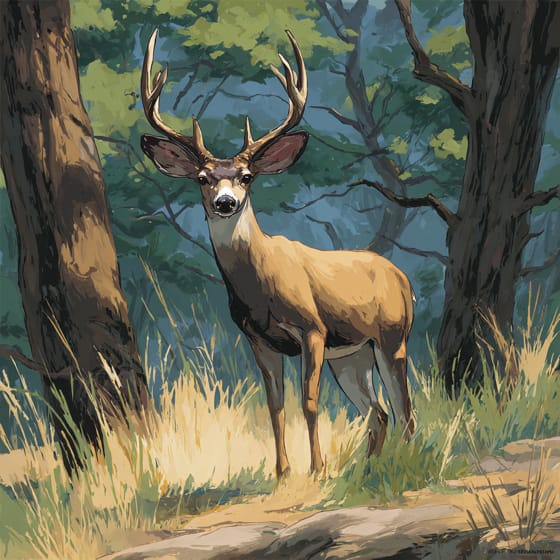
Odocoileus hemionus
Occasionally browses on its leaves.
Ochotona princeps
Harvests parts for winter food caches.
Furry describes animals possessing a dense covering of soft hair or fur.
Flowering plants are any plants that produce flowers as part of their reproductive cycle.
Spring blooming plants produce their flowers during the spring season, often signifying the end of winter and the start of new growth.
Cold hardy plants are able to withstand low temperatures and freezing conditions without significant damage.

Drought-tolerant plants can survive and flourish in conditions with limited water availability.

Describes plants that are particularly attractive and beneficial to a wide range of pollinating organisms.

This habitat trait identifies species found in mountainous regions, characterized by high elevation, steep slopes, and varying climate zones.

Endangered status indicates a species is at a very high risk of extinction in the wild in the near future.
No aliases listed yet.
Danger
1/5 · Very low
Always look but don't touch wild plants unless a grown-up says it's okay.
The easiest way to identify Rustyhair Saxifrage is to use the Snappit nature identifier app.
5-20 cm
5-15 cm
0.5-1 cm
Spring to early summer
No
None
Perennial
Zoom in to split clusters and explore where this object has been snapped.
Recent snaps will appear here as new observations are added.

British Columbia, CA
You might spot Western Rattlesnake Plantain and Fairy-Slipper.
View guide →
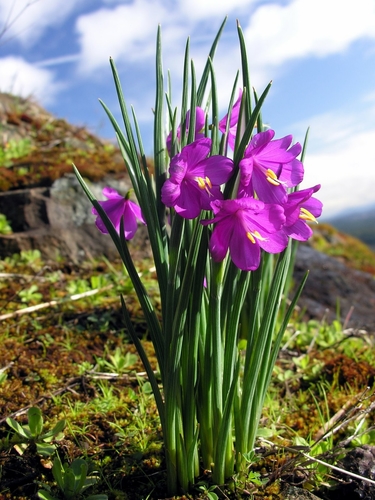
British Columbia, CA
You might spot Grasswidow and Broad-Leaved Stonecrop.
View guide →
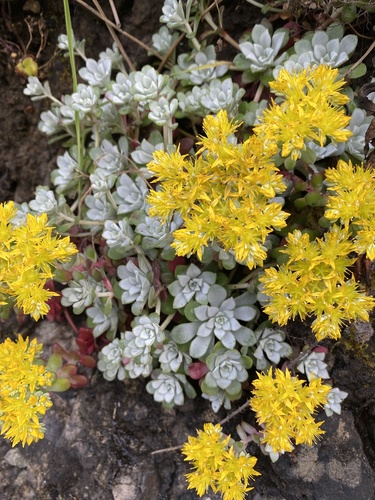
British Columbia, CA
You might spot Broad-Leaved Stonecrop and Western Rattlesnake Plantain.
View guide →
Take the discovery with you
Snap it with Snappit to identify it, learn what makes it special, and add the discovery to your collection.








.jpg&width=800)



_001.jpg&width=800)




