Soil Centipedes
geophilomorpha
Soil centipedes are long, wiggly creatures that love to dig in the dirt! They have many legs and are great at helping the soil stay healthy by breaking down dead plants and animals.
Habitat: They live in moist soil, under leaves, and in decaying wood.
The Soil Centipedes has a long, slender, flattened body, typically yellowish-brown to reddish-orange. They possess numerous body segments, each with a single pair of legs, making them visually distinct from millipedes.
Category
InvertebrateRarity
Common
Danger
1/5 · Very low
Snaps
Be the first to snap!
If they lose a leg, some soil centipedes can amazingly grow a brand new one!
No visible eyes, but soil centipedes can still sense light and dark to stay hidden!
Their tough cuticle protects them from drying out, like a waterproof suit underground!
Young centipedes hatch with fewer segments and legs, growing more as they get older!
Soil Centipedes can inject venom using modified front legs (forcipules) that helps them paralyze small prey.
Soil Centipedes has a flexible, segmented body that helps them tunnel rapidly through soil, finding prey and shelter.
Soil Centipedes can detect prey and navigate dark tunnels using sensitive antennae that helps them sense vibrations and chemicals.
These speedy hunters are carnivores, preying on other small invertebrates in the soil.
Lumbricus terrestris
Actively hunts and consumes these burrowing invertebrates in soil.

Sorex araneus
Small mammals like shrews often prey on centipedes found under logs.
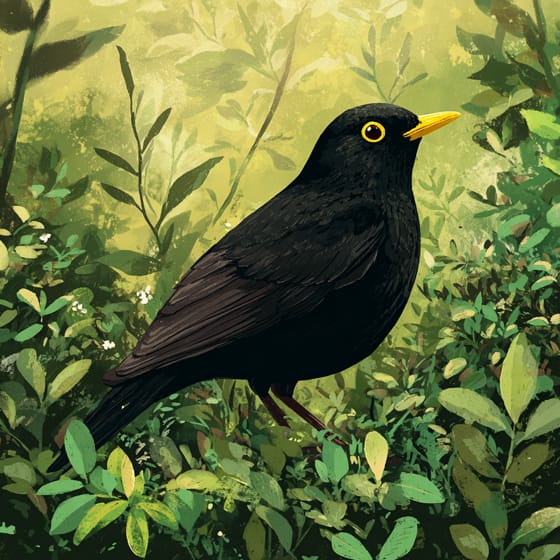
Turdus merula
Birds forage for them when centipedes are exposed on the soil surface.
Deroceras reticulatum
Predatory centipedes find and consume slow-moving slugs in damp places.
Solitary animals live alone for most of their lives, only interacting with others for mating or parental care.
Burrowing animals dig tunnels and chambers in the ground, using these subterranean structures for shelter, hunting, or breeding.
Describes organisms that break down dead organic material, recycling nutrients back into the ecosystem.
This trait identifies organisms whose diet consists entirely or primarily of animal tissue.

Nocturnal animals are primarily active during the nighttime hours, typically resting or sleeping during the day.
Danger
1/5 · Very low
No special safety notes yet.
The easiest way to identify Soil Centipedes is to use the Snappit nature identifier app.
2-10
2-6
These speedy hunters are carnivores, preying on other small invertebrates in the soil.
They live in moist soil, under leaves, and in decaying wood.
Pursuit
29-191
29-191
Zoom in to split clusters and explore where this object has been snapped.
Recent snaps will appear here as new observations are added.
Take the discovery with you
Snap it with Snappit to identify it, learn what makes it special, and add the discovery to your collection.