





Southern Zigzag Salamander
Plethodon ventralis
The Southern Zigzag Salamander is a small, colorful creature that loves to hide under rocks and leaves. It has a zigzag pattern on its back that helps it blend in with the forest floor.
Habitat: Forests
The Southern Zigzag Salamander is a small, slender amphibian, typically dark brown to black. It has a distinctive reddish, orange, or yellow zigzag stripe running down its back. Its sides are often flecked with white or gray, making it visually distinct from uniformly dark salamanders.
Category
AmphibiansRarity
Common
Danger
1/5 · Very low
Snaps
Be the first to snap!
Southern Zigzags are like forest clean-up crews, eating tiny bugs!
Their amazing zigzag stripe changes color from orange to red!
These tiny salamanders guard their eggs fiercely until they hatch!
They spend winters snuggled deep underground to stay warm!
Southern Zigzag Salamander can drop its tail to escape danger, leaving a wiggling distraction for predators.
Southern Zigzag Salamander has a special slime that can taste bad or be sticky, helping them deter hungry predators.
They munch on tiny insects and worms found in the damp forest floor.
Thamnophis sirtalis
Common prey for various snakes in their habitat.
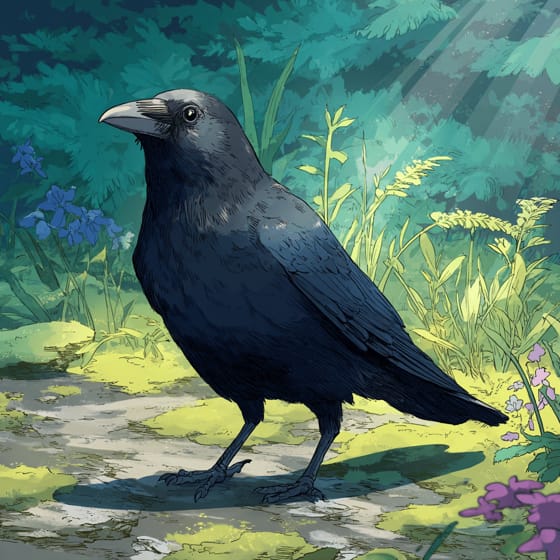
Corvus brachyrhynchos
Birds are opportunistic predators in forests.
Isotoma viridis
Feeds on tiny springtails, a common forest floor invertebrate.
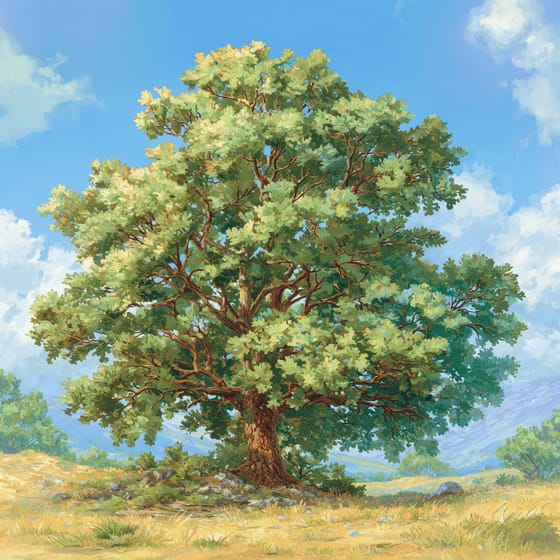
Quercus alba
Finds refuge under fallen leaves and logs from oak trees.
Solitary animals live alone for most of their lives, only interacting with others for mating or parental care.
Camouflaged describes organisms that possess coloring or patterns that allow them to blend into their environment.
Colorful describes organisms or objects displaying a wide range of bright and distinct colors.
This trait identifies organisms whose diet primarily consists of insects and other small invertebrates.

Describes organisms that break down dead organic material, recycling nutrients back into the ecosystem.

Forest habitats are terrestrial environments dominated by dense tree cover, supporting a high diversity of plant and animal life.

Threatened status denotes a species likely to become endangered in the foreseeable future without effective conservation interventions.

Nocturnal animals are primarily active during the nighttime hours, typically resting or sleeping during the day.
No aliases listed yet.
Danger
1/5 · Very low
If you see a salamander, it's best to look but not touch. They need to stay in their homes!
The easiest way to identify Southern Zigzag Salamander is to use the Snappit nature identifier app.
7-12 cm
0.002-0.01 kg
5-10 years
0.2 km/h
They munch on tiny insects and worms found in the damp forest floor.
Forests
Foraging
Zoom in to split clusters and explore where this object has been snapped.
Recent snaps will appear here as new observations are added.
Take the discovery with you
Snap it with Snappit to identify it, learn what makes it special, and add the discovery to your collection.





.JPG&width=800)



.jpg&width=800)

