.jpg&width=800)





Asian Common Toad
Duttaphrynus melanostictus
The Asian Common Toad is a friendly little creature with bumpy skin and big eyes. They love to hop around in gardens and ponds, making them fun to spot!
Habitat: Urban areas
The Asian Common Toad is a robust amphibian with dry, warty skin, usually colored dull grey, brown, or olive. It has prominent bony ridges on its head (cranial crests) and parotoid glands behind its eyes, making it look rugged and distinct from smooth-skinned frogs.
Category
AmphibiansRarity
Common
Danger
2/5 · Low
Snaps
Be the first to snap!
A group of toads is called a knot – a super cool name for them!
Their eyes glow gold at night, helping them see clearly in the dark!
They lay their eggs in long, jelly-like strings that can stretch for many meters!
They use their sticky tongue to catch fast-moving insects with amazing speed!
Asian Common Toad has rough, bumpy skin that helps them disappear into their varied surroundings like leaf litter and soil.
Asian Common Toad can help control insect populations by actively hunting many common garden pests at night.
Asian Common Toad has adaptable survival skills that help them thrive in various disturbed habitats, including urban gardens.
These toads are nocturnal hunters that feast on a variety of small invertebrates.

Naja naja
Adult toads can be prey for cobras.

Blatta orientalis
Toads help control insect pests like cockroaches.
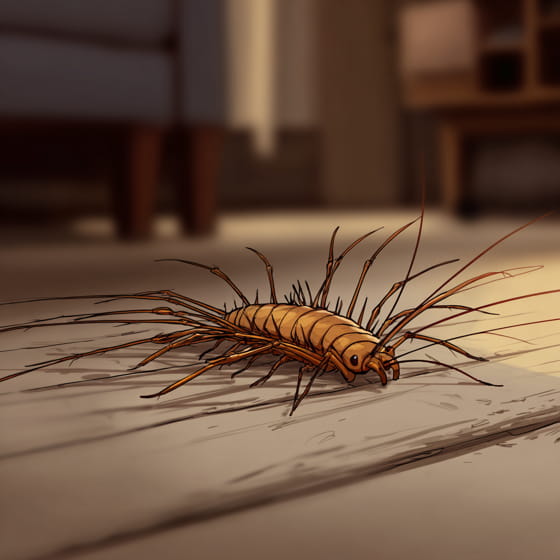
Scutigera coleoptrata
Toads ambush and eat various arthropods.
Corvus splendens
Younger toads may be prey for crows.
Social animals live in organized groups, cooperating for survival benefits such as foraging, defense, and raising offspring.
Camouflaged describes organisms that possess coloring or patterns that allow them to blend into their environment.
This trait identifies organisms whose diet primarily consists of insects and other small invertebrates.
This trait characterizes organisms with an exceptionally long lifespan compared to others of their kind.

This habitat trait indicates species that can coexist with humans in urban and suburban environments, utilizing man-made structures and green spaces.

Nocturnal animals are primarily active during the nighttime hours, typically resting or sleeping during the day.

Describes organisms that transfer pollen, enabling the fertilization and reproduction of plants.
No aliases listed yet.
Danger
2/5 · Low
Don't touch toads unless you have an adult with you, as they can have skin that makes you feel funny.
The easiest way to identify Asian Common Toad is to use the Snappit nature identifier app.
5-15 cm
0.02-0.2 kg
5-10 years
1.5 km/h
These toads are nocturnal hunters that feast on a variety of small invertebrates.
Urban areas
Ambush
Zoom in to split clusters and explore where this object has been snapped.
Recent snaps will appear here as new observations are added.
Take the discovery with you
Snap it with Snappit to identify it, learn what makes it special, and add the discovery to your collection.








.JPG&width=800)



.jpg&width=800)
