





Spartocera fusca
Spartocera fusca
Spartocera fusca is a unique bug that loves to hang out on plants. It has a special shape that helps it blend in with its surroundings, making it a little tricky to spot!
Habitat: Forests
The Spartocera fusca is a large, dark brown insect with a robust body and a distinctive, flattened, leaf-like expansion on its hind tibiae. It often exhibits reddish or yellowish markings, particularly on the antennae and legs, making it visually stand out among other brown bugs.
Category
InsectsRarity
Common
Danger
1/5 · Very low
Snaps
Be the first to snap!
If startled, it might release a strong-smelling liquid to ward off hungry birds!
Its family is famous for leaf-like legs, making them look like part of a plant!
They can be a pest to crops, sucking nutrients from important fruits and veggies!
This insect uses a straw-like mouth to drink sap, like sipping juice from a plant!
Spartocera fusca has flattened, leaf-like hind legs that help them mimic foliage, making them harder for predators to spot among plants.
Spartocera fusca can release a strong, unpleasant scent because of specialized glands, helping them deter predators when threatened.
Spartocera fusca has a long, piercing-sucking proboscis that helps them extract nutrient-rich sap directly from plant stems and fruits.
This bug sips plant sap and juices from stems, leaves, and developing fruits.

Cucurbita pepo
damages developing fruits and leaves.
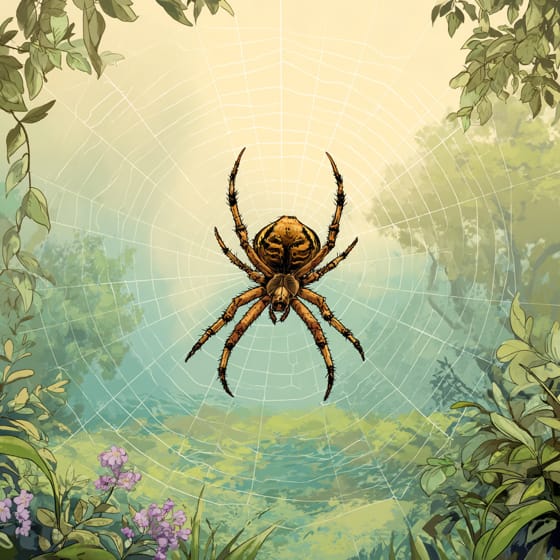
Argiope aurantia
caught in sticky webs of orb-weavers.
Trichopoda pennipes
larvae develop inside the host bug.
Solitary animals live alone for most of their lives, only interacting with others for mating or parental care.
Camouflaged describes organisms that possess coloring or patterns that allow them to blend into their environment.
Colorful describes organisms or objects displaying a wide range of bright and distinct colors.
This trait characterizes organisms whose diet consists entirely or primarily of plant material.

Describes plants that are particularly attractive and beneficial to a wide range of pollinating organisms.

Forest habitats are terrestrial environments dominated by dense tree cover, supporting a high diversity of plant and animal life.

Diurnal animals are primarily active during daylight hours, typically resting or sleeping at night.

Describes organisms that transfer pollen, enabling the fertilization and reproduction of plants.
No aliases listed yet.
Danger
1/5 · Very low
Always watch bugs from a distance and don't touch them, as some can be delicate.
The easiest way to identify Spartocera fusca is to use the Snappit nature identifier app.
25-35 mm
15-20 mm
30-90 days
This bug sips plant sap and juices from stems, leaves, and developing fruits.
Forests
Foraging
6
Zoom in to split clusters and explore where this object has been snapped.
Recent snaps will appear here as new observations are added.
Take the discovery with you
Snap it with Snappit to identify it, learn what makes it special, and add the discovery to your collection.







.jpg&width=800)


