





Druon
Druon
The Druon is a small, colorful insect that loves to flit around flowers. It helps plants grow by spreading pollen as it moves from bloom to bloom.
Habitat: Gardens
The Druon is a medium-sized insect, typically sporting a metallic green or blue segmented body. Its most distinctive feature is a pair of large, iridescent wings that shimmer with all the colours of the rainbow. Short, feathery antennae protrude from its head.
Category
InsectsRarity
Common
Danger
1/5 · Very low
Snaps
Be the first to snap!
A Druon's powerful wings beat so fast, they create a tiny, almost invisible blur!
Baby Druons, called 'grubs,' live underground for weeks before transforming!
Their antennae can detect the scent of a blooming flower from over a mile away!
They communicate with each other using tiny, silent wing vibrations we can't hear!
Druon can locate specific flowers from afar using special ultraviolet vision that helps them see nectar guides.
Druon has tiny electrostatically charged hairs on its legs that efficiently collect and transfer pollen between plants.
Druon can adjust its wing angle precisely to glide on air currents, conserving energy during long flights.
Druons sip sweet nectar from flowers and feed on pollen to get all their energy.
Age differences: Larvae (grubs) typically feed on decaying wood or plant roots underground.
Helianthus annuus
Helps sunflowers produce seeds by transferring pollen.
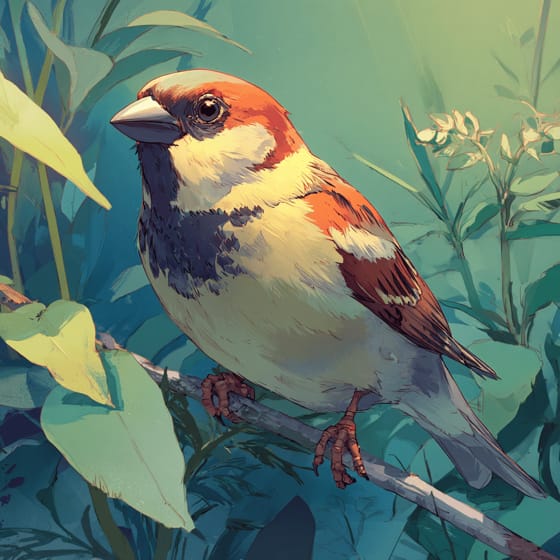
Passer domesticus
Small birds like sparrows hunt Druons for food.

Asclepias syriaca
Relies on milkweed and other flowering plants for nectar.
Social animals live in organized groups, cooperating for survival benefits such as foraging, defense, and raising offspring.
Camouflaged describes organisms that possess coloring or patterns that allow them to blend into their environment.
Colorful describes organisms or objects displaying a wide range of bright and distinct colors.
This trait characterizes organisms whose diet consists entirely or primarily of plant material.

Describes plants that are particularly attractive and beneficial to a wide range of pollinating organisms.

Diurnal animals are primarily active during daylight hours, typically resting or sleeping at night.

This habitat trait indicates species that can coexist with humans in urban and suburban environments, utilizing man-made structures and green spaces.

Describes organisms that transfer pollen, enabling the fertilization and reproduction of plants.
No aliases listed yet.
Danger
1/5 · Very low
Watch Druons from a distance; they are gentle and won't hurt you.
The easiest way to identify Druon is to use the Snappit nature identifier app.
30-50 mm
15-25 mm
30-60 days
12 km/h
Druons sip sweet nectar from flowers and feed on pollen to get all their energy.
Gardens
Foraging
Zoom in to split clusters and explore where this object has been snapped.
Recent snaps will appear here as new observations are added.
Take the discovery with you
Snap it with Snappit to identify it, learn what makes it special, and add the discovery to your collection.







.jpg&width=800)



