





Spotted Salamander
Ambystoma maculatum
The Spotted Salamander is a charming little creature with bright yellow spots. They love to live in damp places and are great at finding food!
Habitat: Forests and wetlands
The Spotted Salamander is robust and smooth-skinned, typically black or dark grey with bright yellow or orange spots scattered across its back. These vibrant spots make it distinct from most other salamander species.
Category
AmphibiansRarity
Common
Danger
2/5 · Low
Snaps
76
Baby spotted salamanders have feathery gills before they grow lungs!
These salamanders spend almost their entire adult lives hidden underground.
They migrate on rainy spring nights to breed in special ponds!
They sometimes share their burrows with small mammals like mice.
Spotted Salamander can regrow lost limbs, tails, and even jaw parts if they are injured.
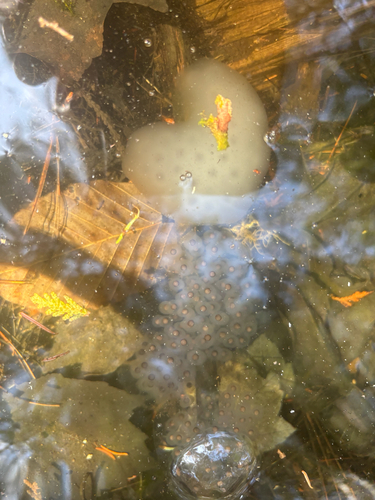
Spotted Salamander eggs have a unique symbiotic algae that helps provide them with oxygen.
Spotted Salamander can dig deep underground using their strong snouts, hiding safely for months.
Young salamanders eat tiny water creatures, while adults munch on bugs, worms, and slugs.
Age differences: Larvae eat zooplankton and microinvertebrates; adults eat larger terrestrial invertebrates.
Thamnophis sirtalis
Snakes are major predators of adult salamanders.

Procyon lotor
Raccoons dig for salamanders hiding under leaf litter.
Oophila amblystomatis
Algae live in eggs, providing oxygen to developing embryos.
Lumbricus terrestris
Adult salamanders find and eat earthworms in soil.
Limax maximus
Slugs are a common and important food source.
Wildlife encompasses all undomesticated animal and plant life existing in their natural habitats.
This trait identifies organisms whose diet primarily consists of insects and other small invertebrates.
This trait signifies organisms belonging to a very old evolutionary group with ancestors dating back millions of years.
Forest habitats are terrestrial environments dominated by dense tree cover, supporting a high diversity of plant and animal life.

This habitat trait identifies species found in wetlands, which are areas of land saturated with water, either permanently or seasonally, including marshes, swamps, and bogs.

Pertaining to organisms that emit light through bioluminescence or fluorescence.

Nocturnal animals are primarily active during the nighttime hours, typically resting or sleeping during the day.
No aliases listed yet.
Danger
2/5 · Low
Look but don’t touch. Keep a safe distance and wash hands after exploring.
The easiest way to identify Spotted Salamander is to use the Snappit nature identifier app.
15-25 cm
0.01-0.03 kg
10-20 years
0.1 km/h
Young salamanders eat tiny water creatures, while adults munch on bugs, worms, and slugs.
Forests and wetlands
Ambush
Zoom in to split clusters and explore where this object has been snapped.
May 5, 2026
Norway Historic DistrictPhoto attribution
(c) JSReiff, some rights reserved (CC BY)
License: CC BY 4.0 ↗
Image may be shown cropped inside the card frame.
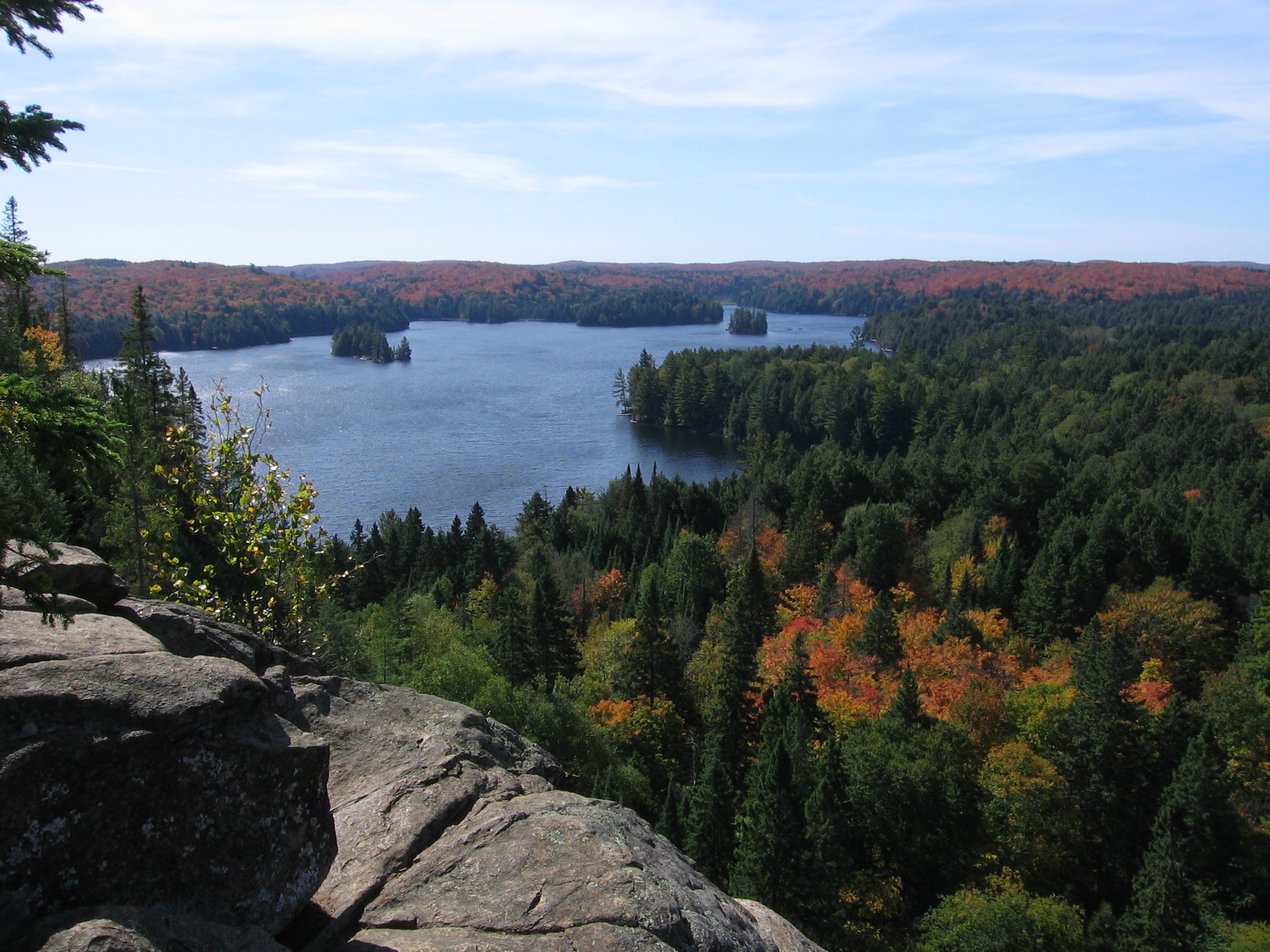
Ontario, CA
You might spot Canada Jay, American Beaver, and Black-Capped Chickadee.
View guide →

Vermont, US
You might spot Japanese Knotweed and Red-Bellied Woodpecker.
View guide →

Maine, US
You might spot American Bullfrog and Three-Toothed Cinquefoil.
View guide →

Massachusetts, US
You might spot Threeleaf Goldthread and Spotted Salamander.
View guide →

New Jersey, US
You might spot Common Mugwort and White-Tailed Deer.
View guide →

Maine, US
You might spot Ghost Pipe, Pink Lady's Slipper, and Bluebead Lily.
View guide →
Take the discovery with you
Snap it with Snappit to identify it, learn what makes it special, and add the discovery to your collection.









.JPG&width=800)



.jpg&width=800)

