




spring vetch
Lathyrus vernus
Spring vetch is a lovely flower that blooms in early spring. It has beautiful purple flowers that attract butterflies and bees, making gardens bright and cheerful.
Habitat: Grasslands
The spring vetch is a low-growing perennial with striking clusters of pea-like flowers. Its blossoms start purplish-red, often fading to a distinct blue as they age. Unlike many vetch species, its leaves are broad leaflets, not tendrils.
Category
PlantsRarity
Common
Danger
1/5 · Very low
Snaps
2
Its seeds are hidden in small pods that look like miniature pea pods!
Many cultures once used "vetches" as animal feed long ago.
Spring vetch often grows under trees, soaking up sunshine before the leaves grow too big.
This plant is a cousin to the peas we eat, but don't try to snack on its seeds!
Spring vetch has special root nodules that host bacteria, allowing it to pull nitrogen from the air and enrich the soil.
Its vibrant flowers can subtly change color from purple-red to bluish over time, helping older flowers signal they've been pollinated.
Spring vetch can emerge and flower very early in spring, giving it a head start on collecting sunlight before trees leaf out.
Bombus terrestris
Drinks nectar and collects pollen.
Apis mellifera
Gathers nectar and pollen from its flowers.
Rhizobium leguminosarum
Fixes nitrogen in root nodules.
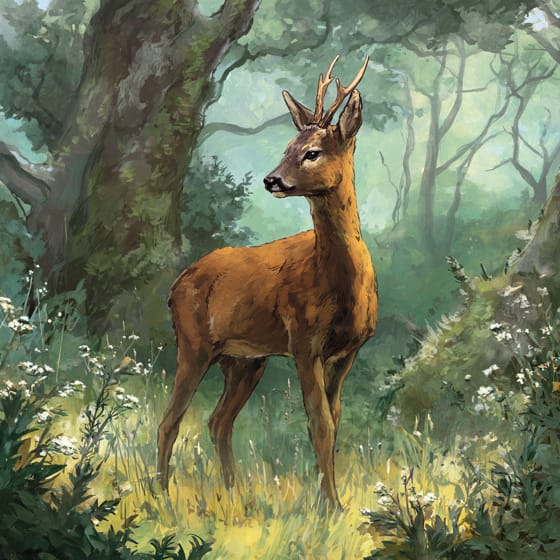
Capreolus capreolus
Browses on its leaves and shoots.
Aromatic plants produce and emit fragrant volatile organic compounds, often for defense or to attract pollinators.
Flowering plants are any plants that produce flowers as part of their reproductive cycle.
Describes organisms capable of converting atmospheric nitrogen into compounds usable by plants.
Spring blooming plants produce their flowers during the spring season, often signifying the end of winter and the start of new growth.

Edible plants are those parts of a plant that are considered safe for human consumption.

Grassland habitats are terrestrial biomes dominated by grasses and herbaceous plants, supporting a variety of grazing animals.

Describes plants that are particularly attractive and beneficial to a wide range of pollinating organisms.
No aliases listed yet.
Danger
1/5 · Very low
Always look but don't touch flowers without asking an adult first.
The easiest way to identify spring vetch is to use the Snappit nature identifier app.
20-40 cm
30-60 cm
1-1.5 cm
Early spring (April-June)
No
Mild
Perennial
Zoom in to split clusters and explore where this object has been snapped.
Take the discovery with you
Snap it with Snappit to identify it, learn what makes it special, and add the discovery to your collection.









.jpg&width=800)



_001.jpg&width=800)



