





Grape Family
vitaceae
The Grape Family includes many delicious fruits that grow in bunches on vines! These plants are fun to explore, especially during the warm summer months when they are full of juicy grapes.
Habitat: Grapes grow in sunny gardens and vineyards.
The Grape Family is characterized by woody vines that climb using tendrils, which are modified stems. They have lobed leaves and produce clusters of round or oval berries, ranging in color from green and yellow to red, purple, and black. Their distinct climbing habit and fruit clusters make them visually different from most other plants.
Category
PlantsRarity
Common
Danger
0/5 · No known danger
Snaps
Be the first to snap!
Grape leaves are edible and used in delicious stuffed dishes!
Some ancient grape vines have lived for hundreds of years!
The world's largest grape vine could cover half a football field!
Tiny crystals called 'wine diamonds' can form in grape products!
Grape Family has coiling tendrils that help it grip surfaces, allowing the vine to climb high for sunlight.
Grape Family produces sweet, juicy berries that attract animals, helping disperse its seeds far and wide.
Grape Family can quickly re-sprout from its roots if the top growth is damaged, aiding survival.
Apis mellifera
Visits small flowers, helping spread pollen.
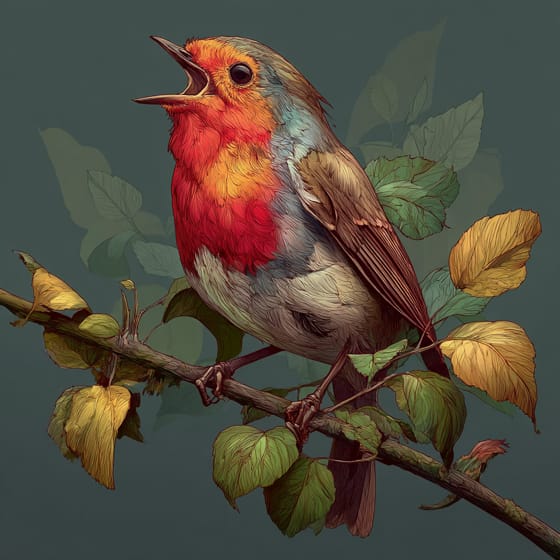
Turdus migratorius
Feeds on ripe, sugary grape clusters.
Lobesia botrana
Larvae munch on developing grape berries.
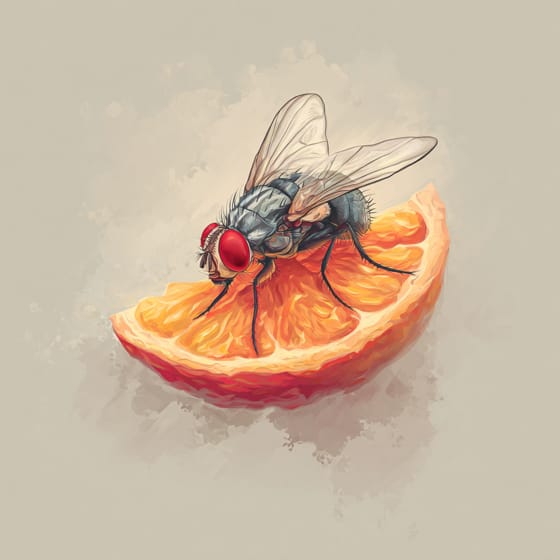
Drosophila melanogaster
Breeds in and feeds on fermenting grape fruit.
Social animals live in organized groups, cooperating for survival benefits such as foraging, defense, and raising offspring.
Arboreal animals live primarily in trees, utilizing them for shelter, food, and protection from predators.
Colorful describes organisms or objects displaying a wide range of bright and distinct colors.
This trait characterizes organisms whose diet consists entirely or primarily of plant material.

Forest habitats are terrestrial environments dominated by dense tree cover, supporting a high diversity of plant and animal life.
Danger
0/5 · No known danger
Always wash grapes before eating them.
The easiest way to identify Grape Family is to use the Snappit nature identifier app.
200-3000 cm
100-1000 cm
0.2-0.5 cm
Spring_to_early_summer
Yes
None
Perennial
Zoom in to split clusters and explore where this object has been snapped.
Recent snaps will appear here as new observations are added.
Take the discovery with you
Snap it with Snappit to identify it, learn what makes it special, and add the discovery to your collection.








.jpg&width=800)



_001.jpg&width=800)




