





staggerbush
Lyonia mariana
Staggerbush is a unique shrub that grows in wet areas. It has pretty flowers and green leaves that can make any place look beautiful. It’s a great plant for animals to find shelter.
Habitat: Wetlands
The staggerbush is a medium-sized shrub with slender, reddish-brown stems and leathery, oval leaves. It has clusters of small, white to pinkish, urn-shaped flowers that hang like tiny bells from its branches.
Category
PlantsRarity
Common
Danger
1/5 · Very low
Snaps
1
After flowering, tiny seed capsules develop, splitting open to release their dust-like seeds.
Its common name "staggerbush" comes from the staggering effect it can have on animals that eat it!
Some people call it 'redroot' because its roots often have a reddish hue.
This shrub can survive mild forest fires, often resprouting from its rootstock.
Staggerbush has toxic compounds in its leaves and stems that help it defend against most hungry herbivores.
Its unique bell-shaped flowers are perfectly designed to attract specific buzzing insect pollinators like bees.
Staggerbush can thrive in very poor, acidic soils where many other plants struggle to grow.
Bombus impatiens
Collects nectar and pollen from its bell-shaped flowers.
Apis mellifera
Visits the flowers for nectar and pollen, aiding reproduction.
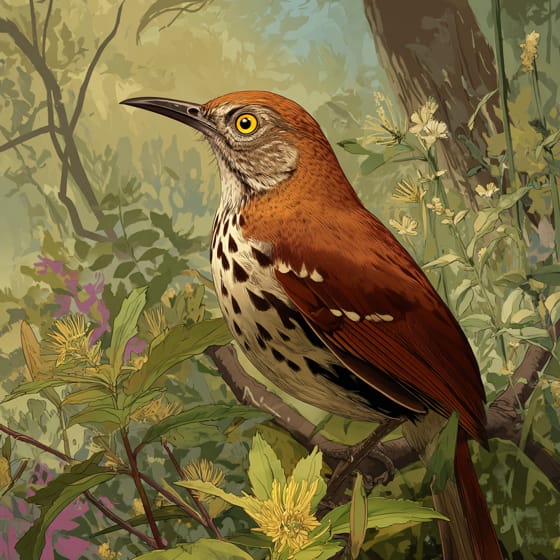
Toxostoma rufum
Provides dense cover for nesting and protection from predators.
Bell-shaped flowers possess petals fused or arranged to form a cup-like or campanulate structure resembling a bell.
Deciduous plants periodically shed all their leaves, typically during autumn or dry seasons.
Flowering plants are any plants that produce flowers as part of their reproductive cycle.
Ornamental plants are cultivated primarily for their aesthetic appeal, enhancing landscapes and gardens with their attractive foliage, flowers, or form.

A shrub is a woody plant smaller than a tree, typically with multiple stems branching from or near the ground.

Describes plants that are particularly attractive and beneficial to a wide range of pollinating organisms.

This habitat trait identifies species found in wetlands, which are areas of land saturated with water, either permanently or seasonally, including marshes, swamps, and bogs.
No aliases listed yet.
Danger
1/5 · Very low
Always look but don't touch plants you don't know, as some can be prickly or not safe.
The easiest way to identify staggerbush is to use the Snappit nature identifier app.
50-200 cm
50-150 cm
0.5-1 cm
Spring-early summer
No
Moderate
Perennial
Zoom in to split clusters and explore where this object has been snapped.
Take the discovery with you
Snap it with Snappit to identify it, learn what makes it special, and add the discovery to your collection.








.jpg&width=800)



_001.jpg&width=800)




