




rabbitfoot clover
Trifolium arvense
Rabbitfoot clover is a cute little plant with soft, fuzzy leaves that look like tiny rabbit feet! It grows in fields and meadows, making the world a little greener and happier.
Habitat: Grasslands
The rabbitfoot clover has soft, fuzzy, pale pink to purplish-white flower heads that look like tiny bunny tails. Its leaves are typical three-leaflet clover leaves, often hairy, contributing to its overall soft appearance.
Category
PlantsRarity
Common
Danger
1/5 · Very low
Snaps
11
Ancient people sometimes used rabbitfoot clover for traditional remedies.
It's a fantastic snack for many animals, from busy bees to hungry deer!
Its scientific name, Trifolium arvense, means 'three leaves from the field'!
This clover's fluffy flower heads turn reddish-brown when they go to seed!
Rabbitfoot clover has special bacteria in its roots that help it pull nitrogen from the air, acting like natural fertilizer for the soil.
Rabbitfoot clover can grow in poor, dry soils where other plants struggle, helping it survive in challenging environments.
Its light, furry seeds are easily carried by the wind, allowing rabbitfoot clover to spread its family far and wide.
Apis mellifera
Visits flowers for nectar and pollen.
Bombus terrestris
An important native pollinator of its flowers.
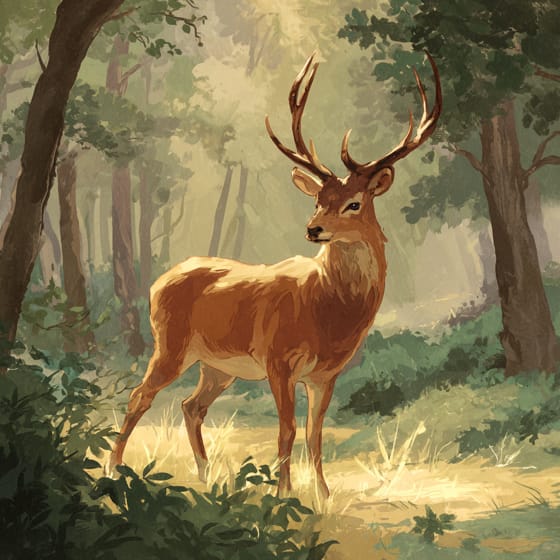
Cervus elaphus
Browses on its leaves and stems.
Rhizobium leguminosarum
Forms root nodules to fix atmospheric nitrogen.
Furry describes animals possessing a dense covering of soft hair or fur.
Flowering plants are any plants that produce flowers as part of their reproductive cycle.
Describes organisms capable of converting atmospheric nitrogen into compounds usable by plants.
Spring blooming plants produce their flowers during the spring season, often signifying the end of winter and the start of new growth.

Edible plants are those parts of a plant that are considered safe for human consumption.

Grassland habitats are terrestrial biomes dominated by grasses and herbaceous plants, supporting a variety of grazing animals.

Describes plants that are particularly attractive and beneficial to a wide range of pollinating organisms.
No aliases listed yet.
Danger
1/5 · Very low
Always check with an adult before picking any plants.
The easiest way to identify rabbitfoot clover is to use the Snappit nature identifier app.
5-40 cm
1-3 cm
Late Spring to Autumn
Yes
None
Annual
Insect
Zoom in to split clusters and explore where this object has been snapped.

Arkansas, US
You might spot Pear-Shaped Puffball and American Beautyberry.
View guide →

Virginia, US
You might spot Eastern Gray Squirrel, Duck, and Northern Mockingbird.
View guide →
North Carolina, US
You might spot Sanderling, Laughing Gull, and Brown Pelican.
View guide →
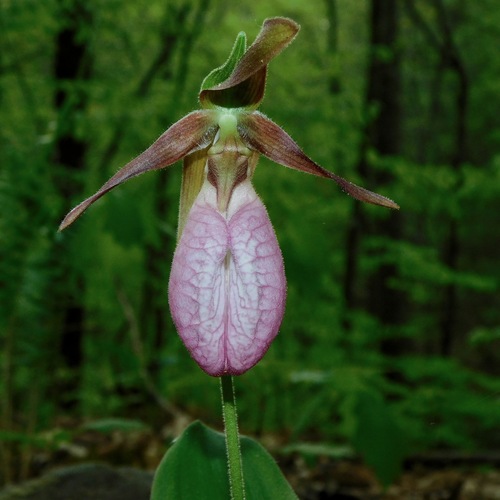
Maine, US
You might spot Pink Lady's Slipper and Common Ribbon Snake.
View guide →

Delaware, US
You might spot Atlantic Horseshoe Crab and Atlantic Ghost Crab.
View guide →

Virginia, US
You might spot Yellow-Crowned Night Heron, Laughing Gull, and Royal Tern.
View guide →
Take the discovery with you
Snap it with Snappit to identify it, learn what makes it special, and add the discovery to your collection.








.jpg&width=800)



_001.jpg&width=800)



