





Steeplebush
Spiraea tomentosa
Steeplebush is a lovely shrub with fluffy pink flowers that bloom in summer. It grows in wet areas and is great for attracting butterflies and bees!
Habitat: Wetlands
The Steeplebush has distinctive, steeple-shaped clusters of tiny, fuzzy pink flowers that look like bottlebrushes. Its slender stems often have a reddish-brown hue. The leaves are typically dark green, lance-shaped, and slightly hairy underneath.
Category
PlantsRarity
Common
Danger
1/5 · Very low
Snaps
6
Even after flowering, its brown seed capsules can stay on the plant all winter long, adding interest!
Its unique flowers are often called 'hardhack' because their stems are tough to cut!
Small birds love to hide and nest in the dense, twiggy branches of the Steeplebush!
Some Native American tribes traditionally brewed tea from its leaves for medicinal purposes!
Steeplebush can thrive in soggy, waterlogged soils that most plants avoid, helping it survive in swampy areas.
Steeplebush has dense clusters of tiny flowers that attract many different insects all at once for efficient pollination.
Steeplebush can form dense thickets with strong roots, helping prevent soil erosion, especially near water bodies.
Bombus impatiens
Visits flowers for nectar
Callophrys irus
Larvae feed on leaves

Odocoileus virginianus
Browses on stems and leaves
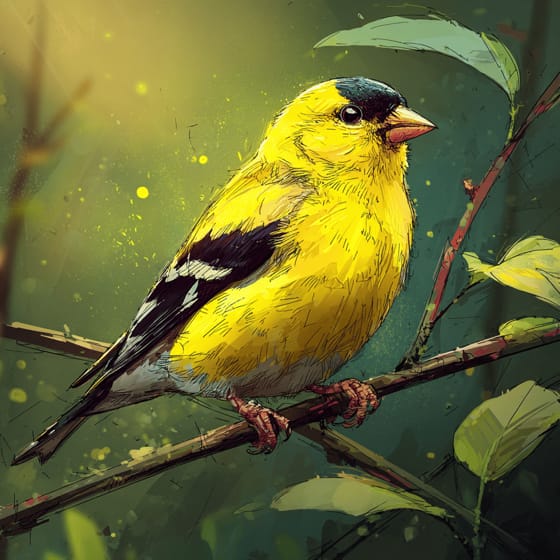
Carduelis tristis
Hides in dense thickets
Deciduous plants periodically shed all their leaves, typically during autumn or dry seasons.
Flowering plants are any plants that produce flowers as part of their reproductive cycle.
Cluster flowers are inflorescences where individual flowers are arranged closely together on a common stem.
A shrub is a woody plant smaller than a tree, typically with multiple stems branching from or near the ground.

Summer blooming plants produce their flowers during the summer season, often providing vibrant color when many other plants have finished.

Fragrant flowers emit a pleasant aroma, often to attract pollinators or for defense.

Describes plants that are particularly attractive and beneficial to a wide range of pollinating organisms.

This habitat trait identifies species found in wetlands, which are areas of land saturated with water, either permanently or seasonally, including marshes, swamps, and bogs.
No aliases listed yet.
Danger
1/5 · Very low
Always stay on paths and don't pick plants without asking an adult.
The easiest way to identify Steeplebush is to use the Snappit nature identifier app.
60-150 cm
60-120 cm
0.3-0.5 cm
Summer
No
None
Perennial
Zoom in to split clusters and explore where this object has been snapped.

Pennsylvania, US
You might spot Steeplebush, Elk, and Eastern Newt.
View guide →

Wisconsin, US
You might spot Sundial Lupine, Aurora Damsel, and Lancet Clubtail.
View guide →

Indiana, US
You might spot Eastern Skunk Cabbage, Sassafras, and Red Columbine.
View guide →

Maine, US
You might spot Jack Pine, Lingonberry, and Sheep Laurel.
View guide →

Connecticut, US
You might spot Striped Wintergreen and Pink Lady's Slipper.
View guide →

New York, US
You might spot Mountain Laurel, Sheep Laurel, and Pearly Everlasting.
View guide →
Take the discovery with you
Snap it with Snappit to identify it, learn what makes it special, and add the discovery to your collection.






.jpg&width=800)


_001.jpg&width=800)




