





Stilt Sandpiper
Calidris himantopus
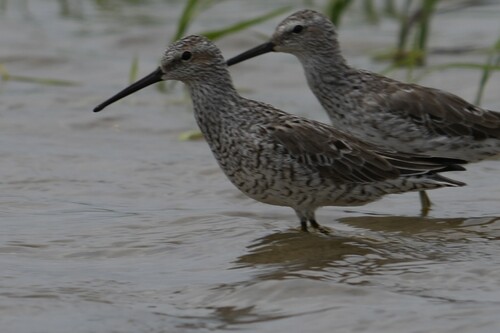
The Stilt Sandpiper is a small, elegant bird with long legs and a slender body. It loves to wade in shallow waters, searching for tasty bugs and tiny fish to eat.
Habitat: Wetlands
The Stilt Sandpiper has remarkably long, yellowish-green legs, giving it a stilted appearance. Its plumage is mottled brown and streaked above, with a white belly and a distinct white eyebrow stripe. A long, slightly decurved bill helps identify this slender shorebird.
Category
BirdsRarity
Common
Danger
1/5 · Very low
Snaps
6
Baby Stilt Sandpipers leave their nest just hours after hatching, ready to explore!
Their name "Stilt" comes from their super-long legs, which look like stilts!
These tiny birds are Olympic flyers, migrating from the Arctic all the way to Chile!
When feeding, they often move their bill back and forth, like a sewing machine!
Stilt Sandpiper can probe deep into soft mud with its long, sensitive bill to find hidden invertebrates in shallow wetlands.
Stilt Sandpiper has super long legs, allowing it to wade into deeper water than other small shorebirds to find hidden food.
Stilt Sandpiper can fly thousands of kilometers between its Arctic breeding grounds and South American wintering areas, finding food.
They eat tiny bugs and other small critters found in mud and shallow water.
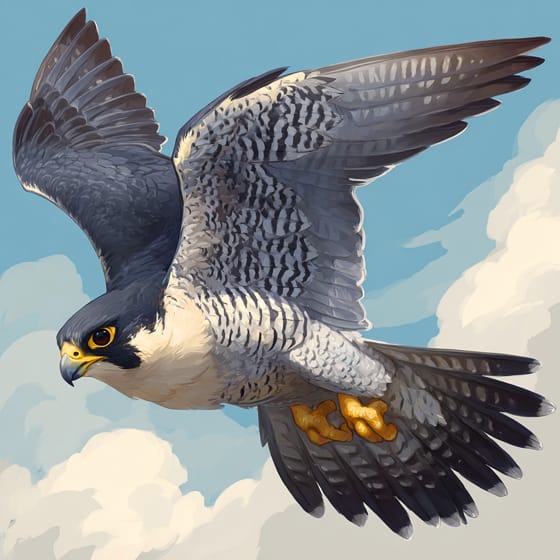
Falco peregrinus
as a migratory prey item
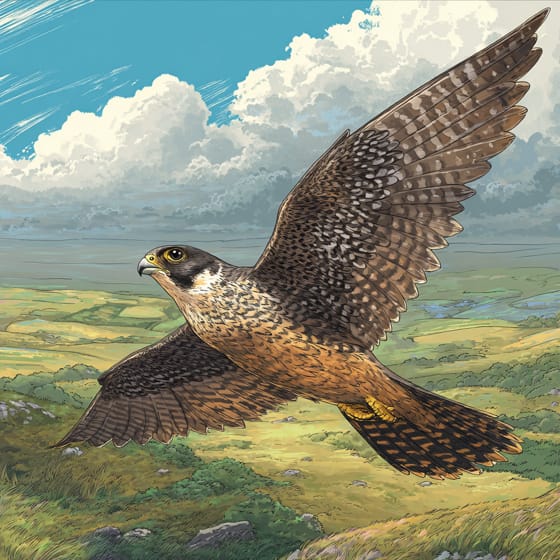
Falco columbarius
predator on smaller birds
Chironomus plumosus
preys on larvae in mud
Artemia salina
filters from saline waters
Feathered describes animals, primarily birds, possessing a covering of feathers.
This trait identifies organisms whose diet primarily consists of insects and other small invertebrates.
This habitat trait identifies species found in wetlands, which are areas of land saturated with water, either permanently or seasonally, including marshes, swamps, and bogs.
This trait identifies organisms whose diet consists entirely or primarily of animal tissue.

This trait identifies organisms that exhibit exceptional swiftness in movement for hunting, escape, or travel.

Migratory animals undertake seasonal movements from one region to another, typically in response to changes in climate or food availability.
No aliases listed yet.
Danger
1/5 · Very low
Always watch birds from a distance and don't try to catch them.
The easiest way to identify Stilt Sandpiper is to use the Snappit nature identifier app.
18-23 cm
40-45 cm
0.04-0.07 kg
6-10 years
60 km/h
They eat tiny bugs and other small critters found in mud and shallow water.
Wetlands
Zoom in to split clusters and explore where this object has been snapped.
Apr 19, 2025
Crowley Historic DistrictPhoto attribution
(c) Brandon Johnson, some rights reserved (CC BY)
License: CC BY 4.0 ↗
Image may be shown cropped inside the card frame.

Colorado, US
You might spot African Penguin, Red Panda, and African Lion.
View guide →

Kansas, US
You might spot African Elephant, Gorilla, and Panthera Pardus Orientalis.
View guide →

Louisiana, US
You might spot Pectoral Sandpiper, Sprague's Pipit, and Anole.
View guide →

Oklahoma, US
You might spot Ring-Billed Gull and Great Blue Heron.
View guide →

Nebraska, US
You might spot Nine-Spotted Lady Beetle and Convergent Lady Beetle.
View guide →
Take the discovery with you
Snap it with Snappit to identify it, learn what makes it special, and add the discovery to your collection.




.jpg&width=800)








