





African Elephant

Sedgwick County Zoo offers an incredible journey into the wild, right in the heart of Kansas.
Sedgwick County Zoo offers an incredible journey into the wild, right in the heart of Kansas. As a premier AZA-accredited wildlife park, it proudly houses over 3,000 animals representing nearly 400 species across its expansive 247 acres, making it one of the largest zoos in the United States. Renowned for its significant contributions to conservation and successful breeding programs for rare and endangered species, the zoo provides immersive, geographically themed habitats that transport visitors across continents. It stands as Kansas's number one outdoor tourist attraction, captivating guests with its dedication to wildlife.
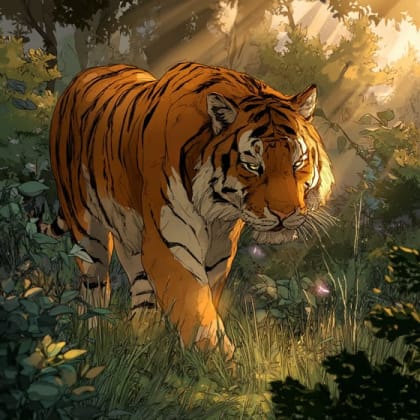
The zoo's diverse collection spans the globe, featuring magnificent exhibits like the Elephants of the Zambezi River Valley, one of the country's largest elephant habitats with an impressive 550,000-gallon pool. Visitors can witness the majesty of Western Lowland Gorillas in the Downing Gorilla Forest, observe graceful reticulated giraffes in the African Veldt, and encounter critically endangered Amur leopards, snow leopards, and Amur tigers in the Slawson Family Asian Big Cat Trek. The North America section showcases regional wildlife such as grizzly bears, Mexican wolves, and playful river otters, while the Australia/South America area boasts one of the largest walk-through aviaries in the U.S., along with capybaras, giant anteaters, and Galapagos tortoises.
A visit to Sedgwick County Zoo is an unforgettable adventure, offering unique experiences such as feeding giraffes and rays, or exploring the grounds via the Safari Express electric train or a scenic boat ride. Beyond its impressive animal collection, the zoo's commitment to education and conservation shines through its thoughtfully designed, immersive environments, encouraging a deeper understanding and appreciation for wildlife and wild places. Its blend of entertainment and educational opportunities makes it a memorable destination for all ages. Eager to name that creature? Identify any animal you find during your visit using the Snappit app.
The Sedgwick County Zoo officially opened its doors on August 25, 1971, emerging from a visionary public-private partnership between Sedgwick County and the Sedgwick County Zoological Society. The initiative to establish a modern zoo began in 1963 when the Zoological Society formed, aiming to replace an outdated exhibit located in Central Riverside Park. By 1966, local voters demonstrated their support by approving $3.65 million in bonds, which facilitated the acquisition of land for both the zoo and Sedgwick County Park. Richard Blakey, then director of Brookfield Zoo, was recruited as the zoo's first director, and his master plan, approved in 1969, guided its development. Initially, the zoo featured the American and Asian farms. Over the subsequent decades, it expanded significantly with the introduction of major exhibits such as the African Veldt (1973), the Herpetarium (now Amphibians & Reptiles) in 1974, the Tropics (originally "The Jungle") in 1977, the Australian Outback and South American Pampas in 1980, and the Koch Orangutan and Chimpanzee Habitat (then "Apes & Man building") in 1982. The North America habitat further broadened its scope in 1993, and more recently, the Cessna Penguin Cove (2007) and the expansive Elephants of the Zambezi River Valley exhibit have solidified its reputation as a leading zoological institution.
Explore the various continental zones to observe diverse wildlife in their naturalistic habitats. Enhance your visit by participating in unique experiences like giraffe feedings or ray feedings (seasonal, additional fee). Consider taking the Martha C. Buford Safari Express electric train or a Conservation Cruise boat ride for a different perspective of the zoo. Check the daily schedule for keeper chats and animal feeding times to maximize animal viewing opportunities.
The Stingray Cove is a seasonal attraction, typically open from April to October. The zoo offers special pricing during "Winter Wednesdays" (November through February) with reduced admission. "Twilight Tuesdays" in July feature extended evening hours, live music, and reduced admission. Be aware that during extreme weather, construction, or veterinary procedures, some animals or exhibits might be temporarily unavailable for public viewing.
The zoo features relatively flat terrain, making it navigable for most visitors. Wheelchairs and electric scooters are available for rent, though it's advisable to reserve scooters in advance, especially on busy days, as they can sell out. Guests using their own personal mobility devices are welcome.
Don't miss the Elephants of the Zambezi River Valley, Downing Gorilla Forest, the Slawson Family Asian Big Cat Trek, and the expansive Australia/South America exhibit, which includes a large walk-through aviary. Other popular areas include the North America habitat, Cessna Penguin Cove, and the interactive Children's Farms.
Each card links to a full Explore page with photos, traits, and fun facts.
Start with the big picture, then zoom in to explore individual wildlife observations around this place.
Arrive Early
** Plan to arrive shortly after opening (9 AM) to enjoy cooler temperatures, observe more active animals, and avoid the largest crowds.
Buy Tickets Online
Purchase your admission tickets online in advance to save money and reduce wait times at the gate.
Wear Comfortable Shoes
The zoo is extensive, covering 247 acres, so comfortable walking shoes are essential for exploring all the exhibits.
Check Daily Schedules
Before your visit, check the zoo's official website for daily event schedules, including keeper chats and feeding times, as well as any exhibit closures or special notices.
Bring Your Own Snacks/Drinks
To save money, pack your own non-alcoholic drinks and snacks, as outside food and beverages are permitted.
Consider Rentals
If you anticipate mobility challenges, consider reserving a wheelchair or electric scooter in advance, especially during peak visitation days, as they can sell out.

Michigan, US
You might spot African Lion, Komodo Dragon, and Brown Bear.
View guide →
.jpg)
Municipal District of Cobh, IE
You might spot Ring-Tailed Lemur, Giraffes, and Cheetahs.
View guide →

Nouvelle-Aquitaine, FR
You might spot Greater Flamingo, Giraffes, and Red Panda.
View guide →

Texas, US
You might spot Giraffes, African Lion, and Eastern Black Rhinoceros.
View guide →
Take the discovery with you
Identify the wildlife you spot, learn as you go, and keep a collection of the adventure.






























.jpg&width=800)



.jpg&width=800)




