





Straw-necked Ibis
Threskiornis spinicollis
The Straw-necked Ibis is a unique bird known for its long, curved beak and beautiful straw-colored neck. These birds love to wade in shallow waters looking for tasty insects and small fish.
Habitat: Wetlands
The Straw-necked Ibis has an iridescent black body that shimmers with green and purple. Its head, neck, and chest are white, featuring unique stiff, straw-like yellow feathers on its neck. It also possesses a long, slender, downward-curved dark beak.
Category
BirdsRarity
Common
Danger
1/5 · Very low
Snaps
Be the first to snap!
Although they live near water, they are not strong swimmers and prefer to wade.
Their scientific name, *spinicollis*, literally means 'thorny neck', describing their unique neck feathers.
These clever birds are sometimes called "farmers' friends" because they eat crop-damaging pests.
They often gather in huge groups, sometimes thousands strong, making wetlands look very busy!
Straw-necked Ibises can detect food hidden underground because their long, curved beak acts like a sensitive probe.
Straw-necked Ibises has an amazing ability to find and feast on huge swarms of locusts, helping protect crops.
Straw-necked Ibises often forage in large flocks that helps them find more food and stay safe from predators.
A true Aussie omnivore, they use their long beaks to scoop up insects, crustaceans, and small critters!
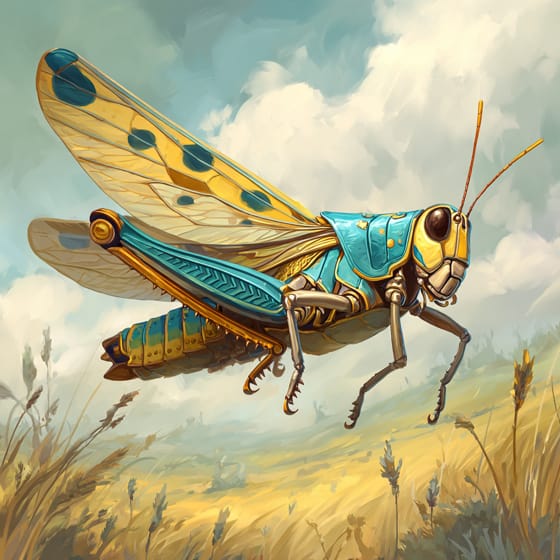
Locusta migratoria
Devours large numbers of locusts, controlling outbreaks in grasslands.
Limnodynastes peronii
Occasionally consumes small frogs found in wetland shallows.
Haliaeetus leucogaster
Large raptors like sea eagles may prey on young or weak ibises.
Eucalyptus camaldulensis
They build large nests in tall trees, often river red gums near water.
Feathered describes animals, primarily birds, possessing a covering of feathers.
Social animals live in organized groups, cooperating for survival benefits such as foraging, defense, and raising offspring.
Filter feeders obtain nutrients by straining suspended food particles and small organisms from water.
This trait identifies organisms whose diet primarily consists of insects and other small invertebrates.

This habitat trait identifies species found in wetlands, which are areas of land saturated with water, either permanently or seasonally, including marshes, swamps, and bogs.

This trait identifies organisms whose diet consists entirely or primarily of animal tissue.

Diurnal animals are primarily active during daylight hours, typically resting or sleeping at night.
No aliases listed yet.
Danger
1/5 · Very low
Always watch birds from a distance and don't try to touch them.
The easiest way to identify Straw-necked Ibis is to use the Snappit nature identifier app.
60-75 cm
100-125 cm
1.1-1.7 kg
15-20 years
55 km/h
A true Aussie omnivore, they use their long beaks to scoop up insects, crustaceans, and small critters!
Wetlands
Zoom in to split clusters and explore where this object has been snapped.
Recent snaps will appear here as new observations are added.
Take the discovery with you
Snap it with Snappit to identify it, learn what makes it special, and add the discovery to your collection.




.jpg&width=800)








