





Black-chinned Hummingbird
Archilochus alexandri
The Black-chinned Hummingbird is a tiny bird that loves to zoom around gardens and flowers. With its shiny green feathers and a beautiful black chin, it flits from flower to flower, sipping sweet nectar.
Habitat: Urban areas
The Black-chinned Hummingbird has an iridescent black chin that glows violet in good light, appearing plain black otherwise. Its back is dull metallic green, contrasting with a grayish-white belly. Females are plainer with green backs and pale underparts.
Category
BirdsRarity
Common
Danger
1/5 · Very low
Snaps
19
A hummingbird's brain is only about the size of a blueberry!
Black-chinned Hummingbirds build nests smaller than a half-dollar coin.
Their tiny heart beats over 1,200 times per minute when flying!
They use stretchy spider silk to help hold their tiny nests together.
Black-chinned Hummingbird can hover perfectly still in mid-air because of unique figure-eight wing beats that help them sip nectar.
Black-chinned Hummingbird has a long, grooved tongue that helps them lap up flower nectar super fast, like a tiny straw.
Black-chinned Hummingbird can enter 'torpor' to slow its body and save energy when food is scarce, like a deep sleep.
These tiny birds sip sweet flower nectar for energy and catch small insects for protein.
Salvia coccinea
Feeds on nectar, aiding flower reproduction.
Agave americana
Visits flowers for nectar, spreading pollen.
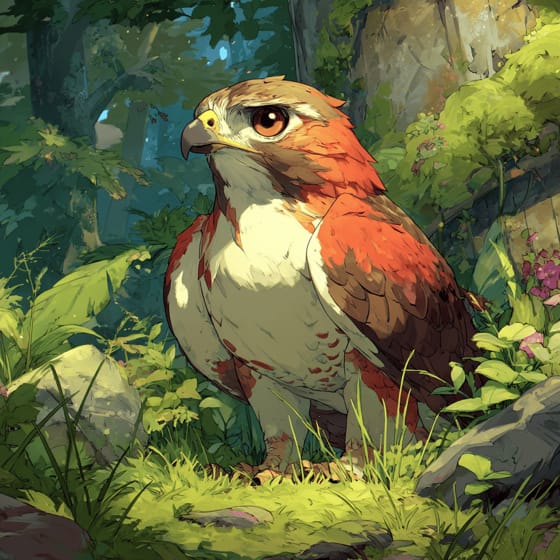
Buteo jamaicensis
Larger birds of prey can hunt hummingbirds.
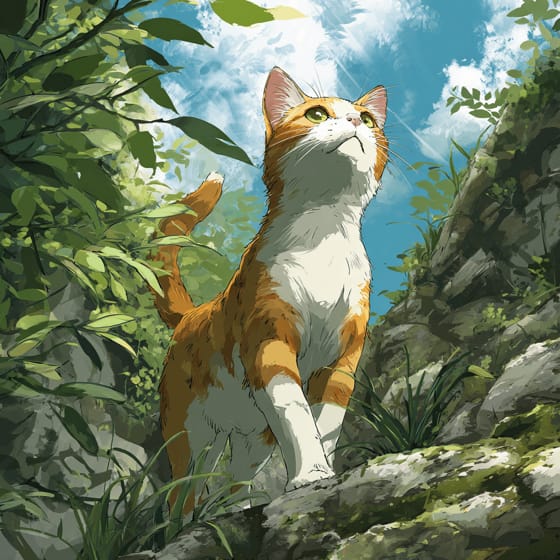
Felis catus
Introduced predators are a significant threat.
Feathered describes animals, primarily birds, possessing a covering of feathers.
Colorful describes organisms or objects displaying a wide range of bright and distinct colors.
This trait characterizes organisms whose diet consists entirely or primarily of plant material.
Diurnal animals are primarily active during daylight hours, typically resting or sleeping at night.

Describes a species whose presence and role have a disproportionately large effect on its environment.

This trait identifies organisms that exhibit exceptional swiftness in movement for hunting, escape, or travel.

Migratory animals undertake seasonal movements from one region to another, typically in response to changes in climate or food availability.

This habitat trait indicates species that can coexist with humans in urban and suburban environments, utilizing man-made structures and green spaces.

Describes organisms that transfer pollen, enabling the fertilization and reproduction of plants.
No aliases listed yet.
Danger
1/5 · Very low
Enjoy watching hummingbirds from a distance, and don't try to catch them.
The easiest way to identify Black-chinned Hummingbird is to use the Snappit nature identifier app.
8-9 cm
10-12 cm
0.0023-0.0049 kg
3-11 years
50 km/h
These tiny birds sip sweet flower nectar for energy and catch small insects for protein.
Urban areas
Zoom in to split clusters and explore where this object has been snapped.
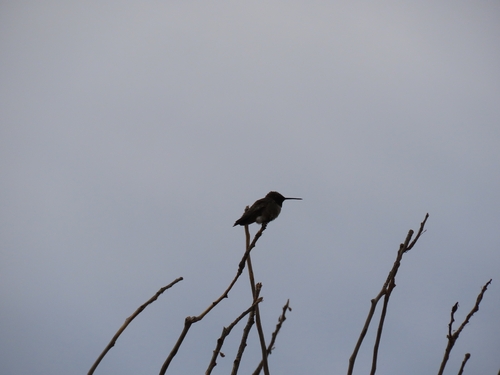
Jun 12, 2026
Mesilla PlazaPhoto attribution
(c) Suanne Pyle, some rights reserved (CC BY)
License: CC BY 4.0 ↗
Image may be shown cropped inside the card frame.

New Mexico, US
You might spot Tree Cholla, Colorado Pinyon, and House Finch.
View guide →

California, US
You might spot White Globe Lily, Rose Campion, and Pipevine Swallowtail.
View guide →

New Mexico, US
You might spot White-Winged Dove and Silverleaf Nightshade.
View guide →

New Mexico, US
You might spot Duck, Greater Roadrunner, and American Robin.
View guide →

New Mexico, US
You might spot Wood Duck, Duck, and Canada Goose.
View guide →

Oregon, US
You might spot Belding's Ground Squirrel and Yellow-Headed Blackbird.
View guide →
Take the discovery with you
Snap it with Snappit to identify it, learn what makes it special, and add the discovery to your collection.




.jpg&width=800)





