





Black-naped Fruit Dove
Ptilinopus melanospilus
The Black-naped Fruit Dove is a colorful bird with a beautiful black nape and bright green body. It loves to eat fruits and can often be seen in trees, making it a delightful sight in the forest.
Habitat: Forests
The Black-naped Fruit Dove has a vibrant green body and a bright yellow patch beneath its tail. Its most striking feature is a distinct black patch on the nape of its neck, sometimes edged with white or purple on the head.
Category
BirdsRarity
Common
Danger
1/5 · Very low
Snaps
Be the first to snap!
Baby fruit doves are called squabs, and they grow super fast!
Instead of sipping water, these doves can suck it up like a straw!
Their soft cooing sounds are often mistaken for gentle wind in the trees!
They can hang upside down to reach the tastiest fruits on tiny branches!
The Black-naped Fruit Dove has brilliant green feathers that help them blend perfectly into the lush tropical foliage, hiding from predators.
Black-naped Fruit Doves can locate ripe fruits high in the canopy because of their keen eyesight, ensuring a steady food supply.
Black-naped Fruit Doves help new plants grow because they eat fruits and then drop the seeds far away, spreading forests!
These doves love to eat juicy fruits and berries, playing a big part in spreading seeds!
Ficus benjamina
consumes its ripe fruits
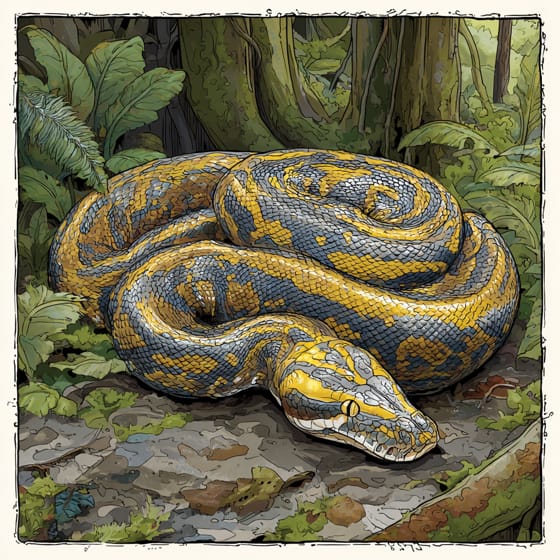
Python reticulatus
a common predator in their habitat
Accipiter trivirgatus
hunted by this forest raptor
Macaranga triloba
feeds on its small fruits
Feathered describes animals, primarily birds, possessing a covering of feathers.
Social animals live in organized groups, cooperating for survival benefits such as foraging, defense, and raising offspring.
Singing animals produce complex vocalizations, often for purposes of attracting mates, defending territory, or communicating within their species.
Arboreal animals live primarily in trees, utilizing them for shelter, food, and protection from predators.

Colorful describes organisms or objects displaying a wide range of bright and distinct colors.

This trait characterizes organisms whose diet consists entirely or primarily of plant material.

Forest habitats are terrestrial environments dominated by dense tree cover, supporting a high diversity of plant and animal life.

Diurnal animals are primarily active during daylight hours, typically resting or sleeping at night.

Endangered status indicates a species is at a very high risk of extinction in the wild in the near future.
No aliases listed yet.
Danger
1/5 · Very low
Always watch birds from a distance and do not try to touch them.
The easiest way to identify Black-naped Fruit Dove is to use the Snappit nature identifier app.
18-20 cm
30-35 cm
0.05-0.07 kg
5-10 years
These doves love to eat juicy fruits and berries, playing a big part in spreading seeds!
Forests
Foraging
Zoom in to split clusters and explore where this object has been snapped.
Recent snaps will appear here as new observations are added.
Take the discovery with you
Snap it with Snappit to identify it, learn what makes it special, and add the discovery to your collection.




.jpg&width=800)






