_Male_(19416867136).png&width=800)





Summer Chafer
Amphimallon solstitiale
The Summer Chafer is a big, brown beetle that loves to fly around in the warm summer months. They are often seen buzzing near flowers and gardens, making them a fun sight to see!
Habitat: Urban areas
The Summer Chafer is a chunky, reddish-brown beetle covered in fine yellowish hairs. It has distinctive fan-like antennae and often appears slightly clumsy when flying. Its shiny wing cases protect delicate flight wings, setting it apart from other common beetles.
Category
InsectsRarity
Common
Danger
1/5 · Very low
Snaps
Be the first to snap!
Baby Summer Chafers live underground for up to three years before they become adult beetles!
Hundreds of Summer Chafers can emerge from the soil at the exact same time, like a secret army!
These beetles are clumsy flyers, often bumping into windows or lights at dusk.
They only live for a few short weeks as adults, making their summer appearance a sprint!
Summer Chafer has large eyes that help them navigate and fly through the evening sky looking for mates.
Summer Chafer has special antennae that fan out to detect the faintest scents of flowers or other chafers.
Summer Chafer's bristly body allows it to collect pollen while feeding, helping plants to make seeds.
Adults nibble leaves and sip nectar; larvae munch on plant roots underground.
Age differences: Larvae eat roots underground, while adults nibble leaves and sip nectar from flowers.
Myotis myotis
Bats hunt flying chafers at dusk using echolocation.
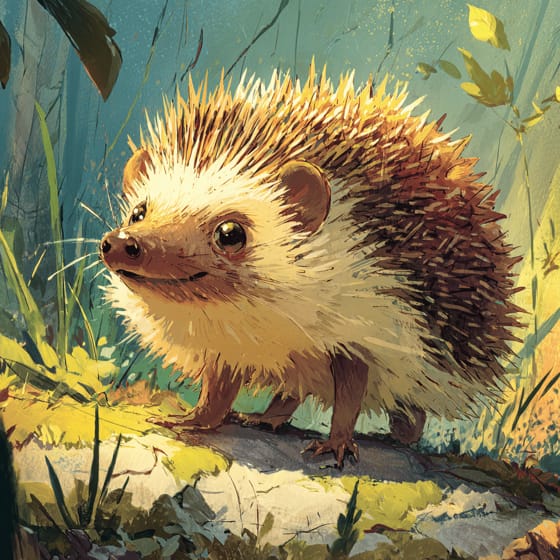
Erinaceus europaeus
Hedgehogs sniff out and eat larvae or adult chafers on the ground.
Quercus robur
Adult chafers occasionally feed on the leaves of oak trees.
Bellis perennis
The chafer helps move pollen between daisy flowers as it feeds.
Solitary animals live alone for most of their lives, only interacting with others for mating or parental care.
This trait characterizes organisms whose diet consists entirely or primarily of plant material.
Describes plants that are particularly attractive and beneficial to a wide range of pollinating organisms.
Diurnal animals are primarily active during daylight hours, typically resting or sleeping at night.

Giant describes organisms or objects of significantly larger size than average for their species or type.

This habitat trait indicates species that can coexist with humans in urban and suburban environments, utilizing man-made structures and green spaces.

Nocturnal animals are primarily active during the nighttime hours, typically resting or sleeping during the day.

Describes organisms that transfer pollen, enabling the fertilization and reproduction of plants.
No aliases listed yet.
Danger
1/5 · Very low
Summer Chafers are harmless, but it's best to watch them from a distance.
The easiest way to identify Summer Chafer is to use the Snappit nature identifier app.
30-40 mm
14-20 mm
20-40 days
10-15 km/h
Adults nibble leaves and sip nectar; larvae munch on plant roots underground.
Urban areas
Foraging
Zoom in to split clusters and explore where this object has been snapped.
Recent snaps will appear here as new observations are added.
Take the discovery with you
Snap it with Snappit to identify it, learn what makes it special, and add the discovery to your collection.







.jpg&width=800)




