.jpg&width=800)





Lang's Short-tailed Blue
Leptotes pirithous
Lang's Short-tailed Blue is a tiny butterfly with beautiful blue wings. They flutter around flowers and are often seen in sunny places enjoying the warmth of the sun.
Habitat: Grasslands
The Lang's Short-tailed Blue is a small butterfly, with males displaying vibrant iridescent blue upperwings and females having more brown with blue near the body. Its underside is mottled grey-brown with delicate white lines, small black spots, and often two tiny "tails" on each hindwing, each with an orange-ringed black eyespot.
Category
InsectsRarity
Common
Danger
1/5 · Very low
Snaps
Be the first to snap!
Its amazing caterpillars can convince ants to be their protectors by offering sweet treats!
Males flash iridescent blue wings in the sun, making them look like flying jewels!
Some butterflies have fake 'eyes' and 'tails' on their wings to confuse hungry birds!
This tiny butterfly is a super traveler, sometimes flying across entire seas to new homes!
Lang's Short-tailed Blue has small tails and eye-spots on its hindwings that trick predators into attacking the wrong end, helping them escape.
This butterfly can quickly blend in with its surroundings due to its mottled grey-brown underside, helping it hide from birds and other threats.
Lang's Short-tailed Blue caterpillars secrete sweet honeydew to attract and 'pay' ants, which then protect them from predators.
Adults sip sweet nectar from flowers, while their caterpillars munch on plant leaves.
Age differences: Caterpillars eat plant leaves, but adults drink flower nectar.

Medicago sativa
Its caterpillars feed on the leaves.
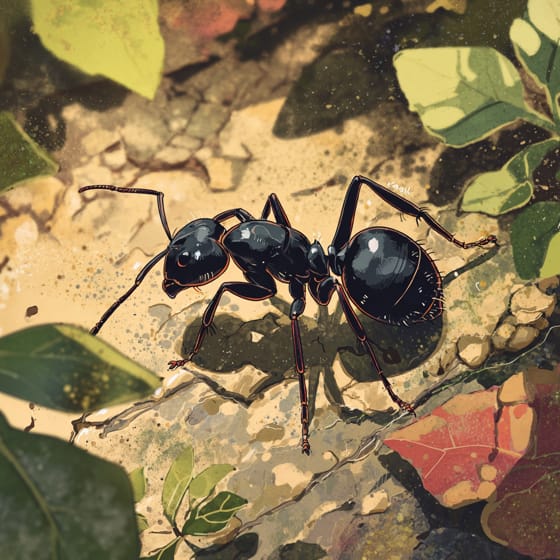
Lasius niger
Ants protect its caterpillars in exchange for honeydew.
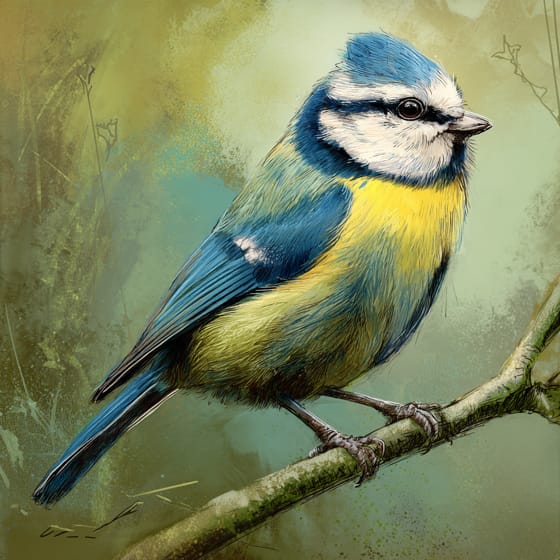
Cyanistes caeruleus
This bird is a common predator of the butterfly.

Trifolium repens
A host plant for the caterpillars.
Solitary animals live alone for most of their lives, only interacting with others for mating or parental care.
Colorful describes organisms or objects displaying a wide range of bright and distinct colors.
Grassland habitats are terrestrial biomes dominated by grasses and herbaceous plants, supporting a variety of grazing animals.
This trait characterizes organisms whose diet consists entirely or primarily of plant material.

Describes plants that are particularly attractive and beneficial to a wide range of pollinating organisms.

Diurnal animals are primarily active during daylight hours, typically resting or sleeping at night.

Pertaining to species that are significantly smaller than typical or average for their kind.

Describes organisms that transfer pollen, enabling the fertilization and reproduction of plants.
No aliases listed yet.
Danger
1/5 · Very low
Be gentle and quiet around butterflies so you don't scare them away.
The easiest way to identify Lang's Short-tailed Blue is to use the Snappit nature identifier app.
20-30 mm
8-15 mm
7-14 days
Adults sip sweet nectar from flowers, while their caterpillars munch on plant leaves.
Grasslands
Foraging
6
Zoom in to split clusters and explore where this object has been snapped.
Recent snaps will appear here as new observations are added.
Take the discovery with you
Snap it with Snappit to identify it, learn what makes it special, and add the discovery to your collection.






.jpg&width=800)



