





Taeniaptera Trivittata
taeniaptera trivittata
The Taeniaptera Trivittata is a colorful and fascinating insect that can be found fluttering around in gardens. Its bright colors make it easy to spot and fun to learn about!
Habitat: Gardens, forests, and meadows.
The Taeniaptera Trivittata is a slender, black-bodied fly with incredibly long, thin legs, often held high. Its clear wings feature distinct dark bands and spots, while its abdomen may have subtle yellowish markings, giving it a striking, almost wasp-like appearance.
Category
InsectsRarity
Common
Danger
1/5 · Very low
Snaps
1
Baby Taeniaptera Trivittata are grubs that munch on rotting plants inside wood.
Instead of flying away, they often 'dance' to confuse hungry birds or lizards.
These flies are also called 'stilt-legged flies' because of their super long legs!
They use their amazing mimicry to trick even smart predators like jumping spiders!
Taeniaptera Trivittata can avoid predators by mimicking wasps, using its coloring and distinctive leg movements to look like a more dangerous insect.
Taeniaptera Trivittata has incredibly long, delicate legs that help them perform a unique 'stilt-walking' dance to confuse hungry predators.
Taeniaptera Trivittata can wave its front legs in the air, making them look like antennae, which helps complete its convincing ant or wasp disguise.
Adults enjoy sweet nectar, while their larvae are nature's tiny recyclers, eating decaying plants.
Age differences: Larvae feed on decaying wood and other plant matter, while adults primarily consume nectar and plant sap.
Phidippus audax
a common jumping spider that preys on flies
Tyrannus melancholicus
a common insect-eating bird in its habitat
Musa acuminata
larvae feed on decaying banana stems and fruit
Heliconia psittacorum
adults visit its flowers for nectar, aiding pollination
Social animals live in organized groups, cooperating for survival benefits such as foraging, defense, and raising offspring.
Colorful describes organisms or objects displaying a wide range of bright and distinct colors.
Forest habitats are terrestrial environments dominated by dense tree cover, supporting a high diversity of plant and animal life.
Diurnal animals are primarily active during daylight hours, typically resting or sleeping at night.

Describes organisms that transfer pollen, enabling the fertilization and reproduction of plants.
Danger
1/5 · Very low
No special safety notes yet.
The easiest way to identify Taeniaptera Trivittata is to use the Snappit nature identifier app.
10-18 mm
6-10 mm
20-40 days
5 km/h
Adults enjoy sweet nectar, while their larvae are nature's tiny recyclers, eating decaying plants.
Gardens, forests, and meadows.
Foraging
Zoom in to split clusters and explore where this object has been snapped.

Georgia, US
You might spot Spanish Moss, Anole, and Resurrection Fern.
View guide →

Georgia, US
You might spot Spanish Moss, Anole, and Resurrection Fern.
View guide →
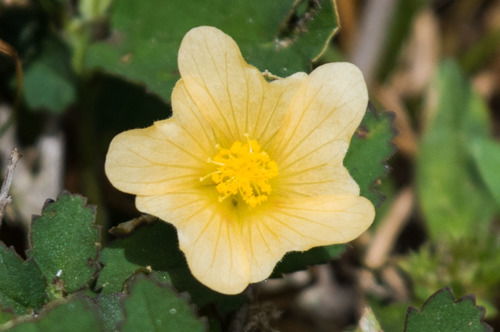
Florida, US
You might spot Common Fanpetals, Cook Pine, and Common Purslane.
View guide →
Take the discovery with you
Snap it with Snappit to identify it, learn what makes it special, and add the discovery to your collection.








.jpg&width=800)


